GNOME 51 makes Linux desktop much better
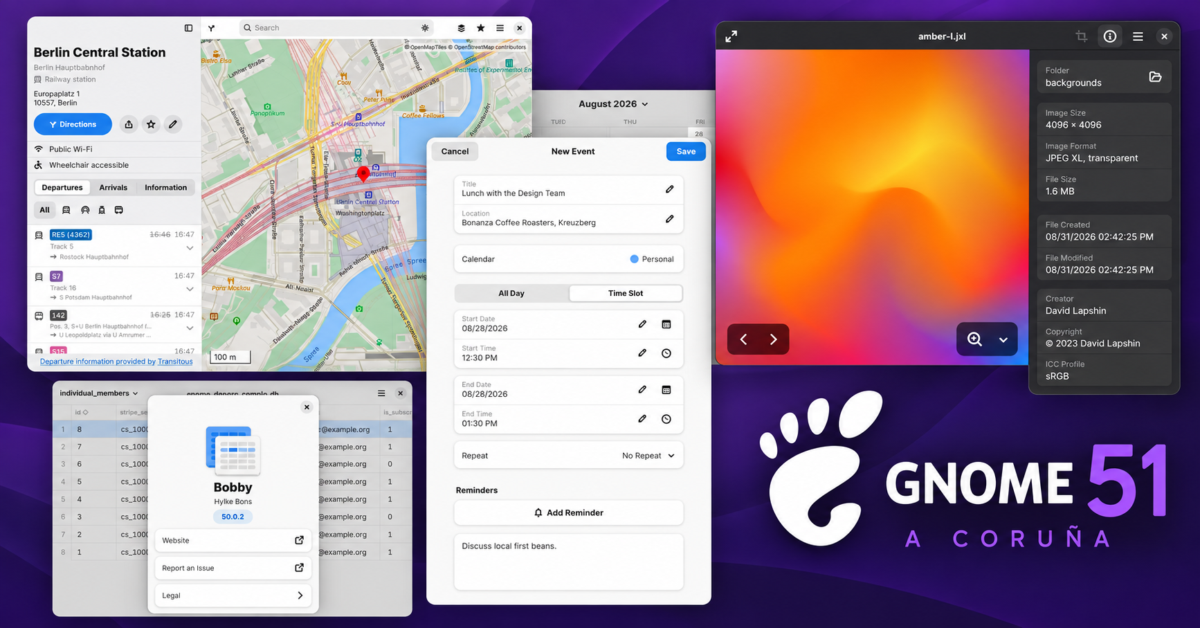
GNOME 51 is here with offline maps, smoother performance, better accessibility, visual document signatures, and plenty of practical Linux desktop improvements.
GNOME 51 is here with offline maps, smoother performance, better accessibility, visual document signatures, and plenty of practical Linux desktop improvements.

Fedora Linux 45 Beta is now available with a new console, tighter security defaults, updated developer tools, and expanded support for Apple Silicon Macs.
The Linux Foundation is bringing companies and researchers together to build an open defensive stack for securing AI models, agents, and infrastructure.
Sidero Labs is expanding Talos Linux beyond Kubernetes with native hypervisor support and standalone containers, potentially giving organizations another option as they reconsider VMware and traditional virtualization platforms.
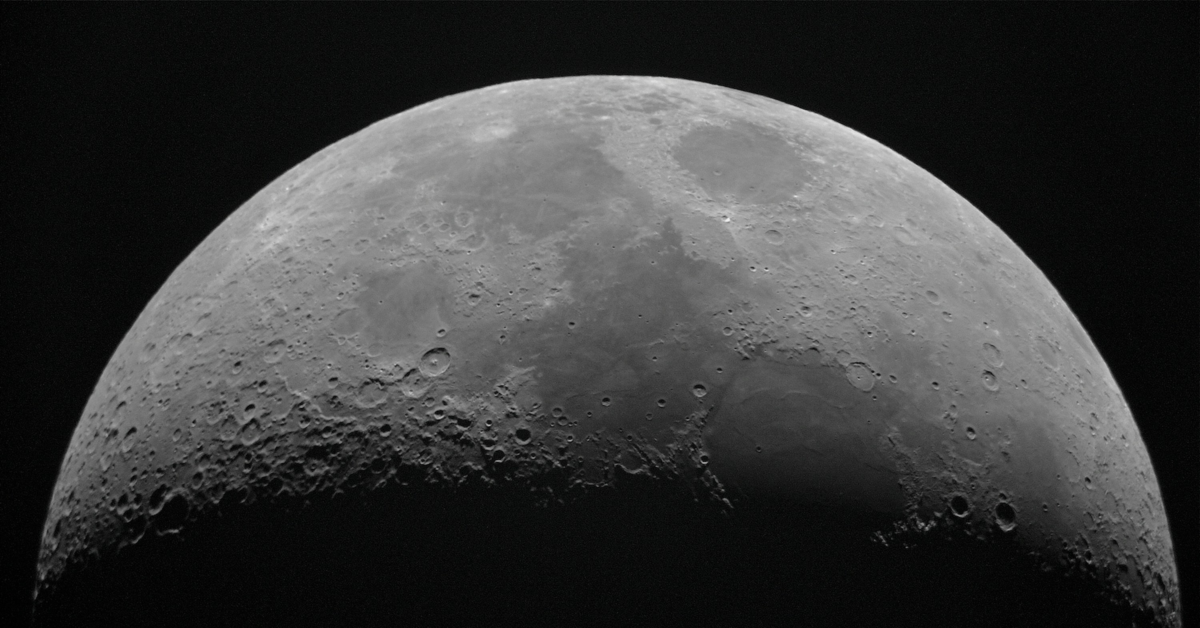
NASA and IBM have released an open source AI foundation model trained on massive amounts of lunar data. It could help scientists detect craters, study the Moon’s geology, and identify promising locations for water ice.

Linux Mint is adding an EPUB reader, calendar, and other software while its August update arrives on September 11. Maybe it is time to focus on the OS.
Asahi Linux has officially added support for Apple M3 Macs, including M3 Pro and M3 Max models. But GPU acceleration, sleep, and HDMI are still missing.
Audacity 4 is a huge overhaul of the open source audio editor, bringing a rebuilt Qt interface, improved clip editing, ASIO support on Windows, and a new project format. However, several Audacity 3 features are currently missing.
NVIDIA is buying Hugging Face for $12.93 billion, giving the AI chip company control of a platform used by more than 18 million developers.

Perplexity says its Lily AI engine runs Qwen faster than MLX-LM on Apple silicon. The specialized local inference engine will eventually become open source.

Debian developers have rejected proposals to ban artificial intelligence from the project, choosing a responsible-use policy that allows generative AI while keeping humans accountable for their contributions.
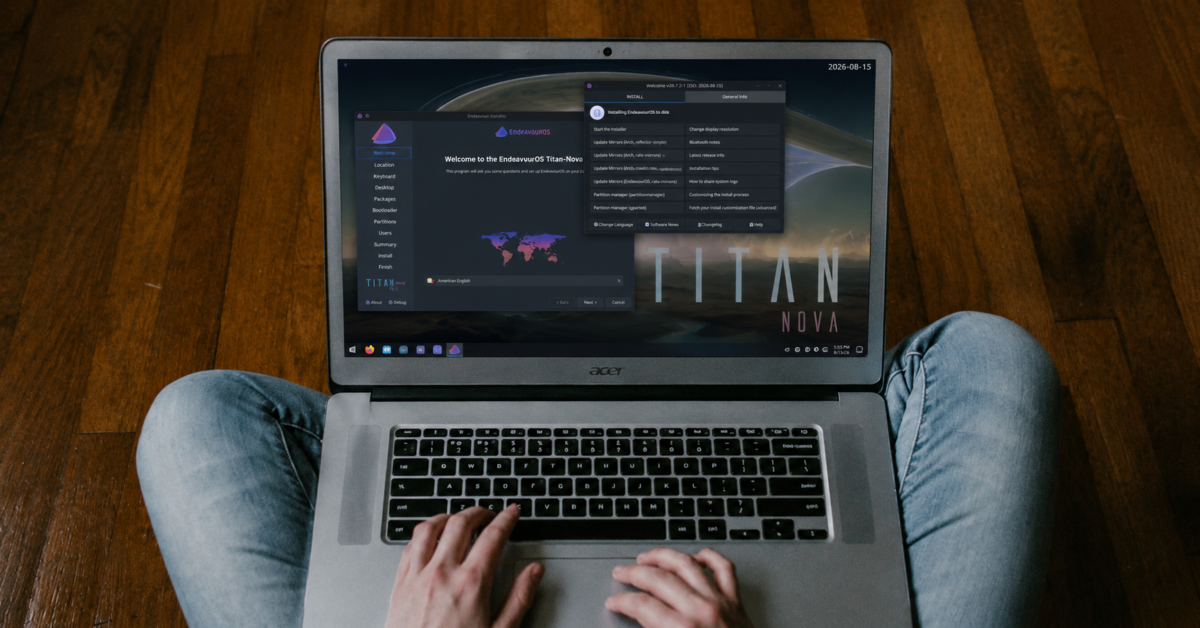
EndeavourOS Titan Nova is now available with Linux 7.1.8, updated NVIDIA support, installer fixes, and a temporary goodbye to Budgie as development continues on the Wayland-focused Triton release.