Google and Apple finally bring encrypted RCS chats to Android and iPhone users
Google and Apple are finally enabling encrypted RCS messaging between Android and iPhone users, helping modern texting become more secure.
OpenAI is tightening ChatGPT security with passkeys and hardware keys, ditching passwords entirely. It is powerful protection, but there is a catch that could lock you out.
ReliaQuest’s Q1 2026 ransomware report shows a threat landscape getting louder, stranger, and harder to defend against, with fake leak sites, fast-moving gangs, and identity-first attacks changing how extortion works.
Trend Micro is rebranding its consumer security business as TrendLife and promising AI era protection with Kaleida. But is it truly new, or mostly marketing?
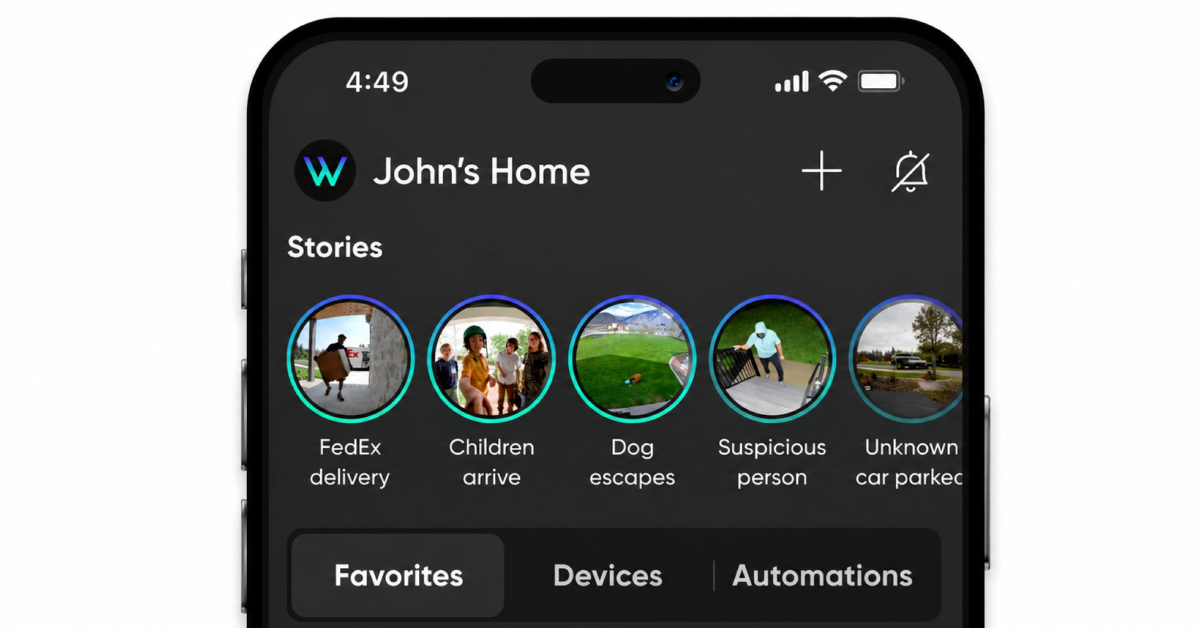
ADT is upgrading its ADT+ security platform with a glowing Live Light yard sign and My Safety mobile protection that connects users to monitoring wherever they go.
Kensington has launched two new VeriMark NFC+ hardware security keys that support FIDO2 Level 2 authentication, NFC tap login, and passwordless security across major platforms.
Fraud is no longer a distant threat. AARP says roughly 103 million Americans have already experienced fraud, while millions more worry they could be next. The organization is responding with fraud prevention resources, community shredding events, and educational programs across New York to help residents protect themselves.
PDF Editor 2026.1 introduces a new security feature called PDF Action Inspector that scans documents for hidden JavaScript and risky behaviors. The update also adds enterprise security improvements, Mac compatibility upgrades, and workflow enhancements.
OpenAI is asking researchers to probe how its AI can be abused, not just hacked. The new Safety Bug Bounty program focuses on agents, data leaks, and real-world misuse.
HP says TPM Guard can stop physical attacks that bypass BitLocker, raising new questions about how safe encrypted PCs really are today.
NetRise Provenance promises to map open source code back to the people behind it after the XZ backdoor scare. That raises some big questions.
Palo Alto Networks is betting the browser will control how employees use AI. Its new secure AI browser aims to prevent data leaks and risky AI behavior.