SNICKERS wants you to prompt inject your AI chatbot with a digital candy bar
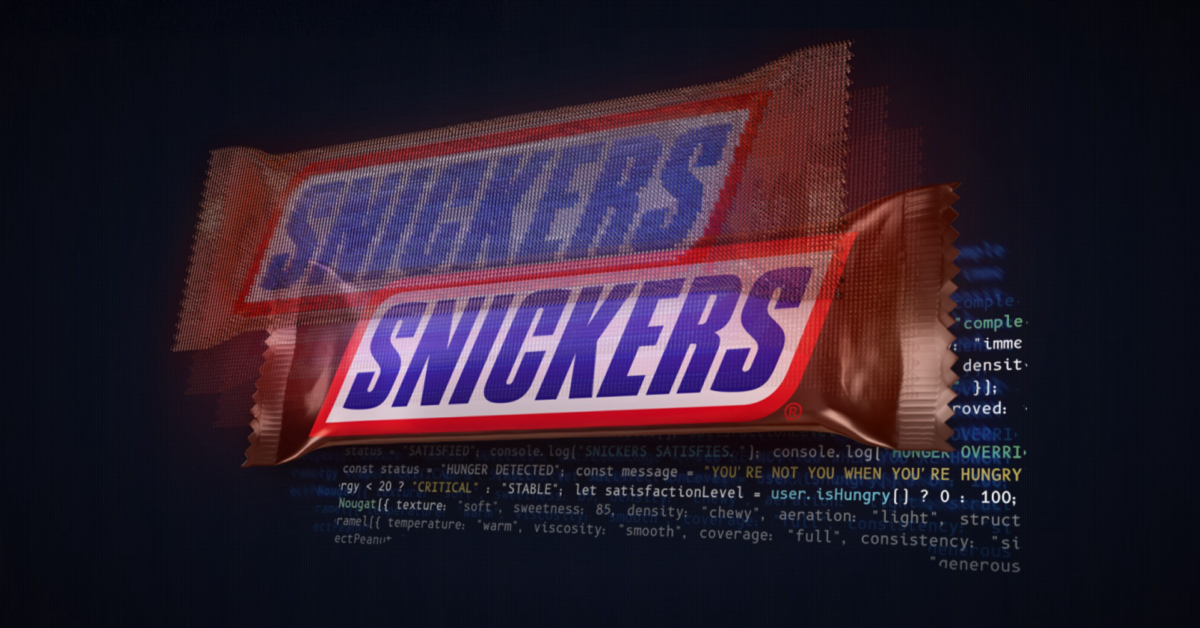
SNICKERS is turning prompt injection into an advertising campaign with a digital candy bar designed for users to feed to AI chatbots.

SNICKERS is turning prompt injection into an advertising campaign with a digital candy bar designed for users to feed to AI chatbots.
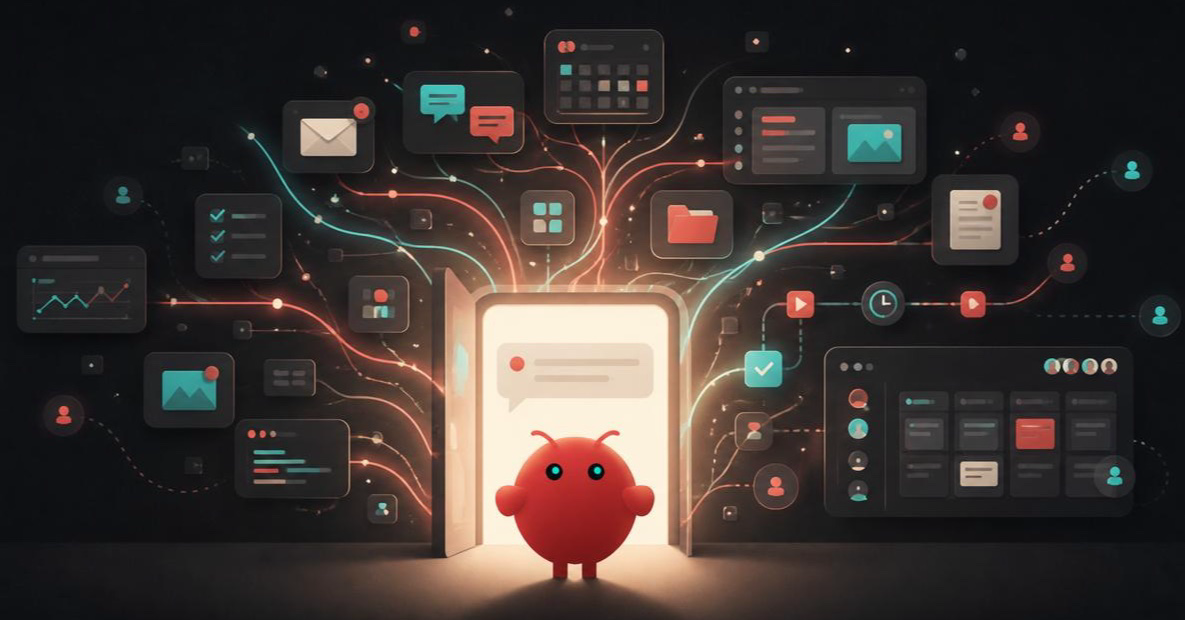
OpenClaw 2 is the project’s biggest update yet, with easier installation, support for existing ChatGPT and Claude subscriptions, a rebuilt browser experience, and more than 16,000 pull requests.

Thibault “Tibo” Sottiaux has become an unlikely rockstar among OpenAI Codex users. I even plan my Codex usage around his now-famous reset promises.

OpenAI Computer History turns activity across Mac apps and websites into memories that ChatGPT and Codex can use. The feature could save time, but users should understand its privacy and security risks.

OpenAI is finally giving Linux users an official ChatGPT desktop app, with preview support for Ubuntu, Debian, Fedora, x64, and ARM64 systems.

OpenAI says it disrupted a Cambodia-based criminal network that used ChatGPT to support romance scams, fake investments, gambling schemes, and law enforcement impersonation.

OpenAI says it plans to label AI-generated text as Europe tightens its rules, but making those labels survive copying, editing, and sharing may be nearly impossible.

A new study suggests many first-time Bitcoin buyers are turning to AI instead of Google, and the answers they receive may determine which companies win their trust.
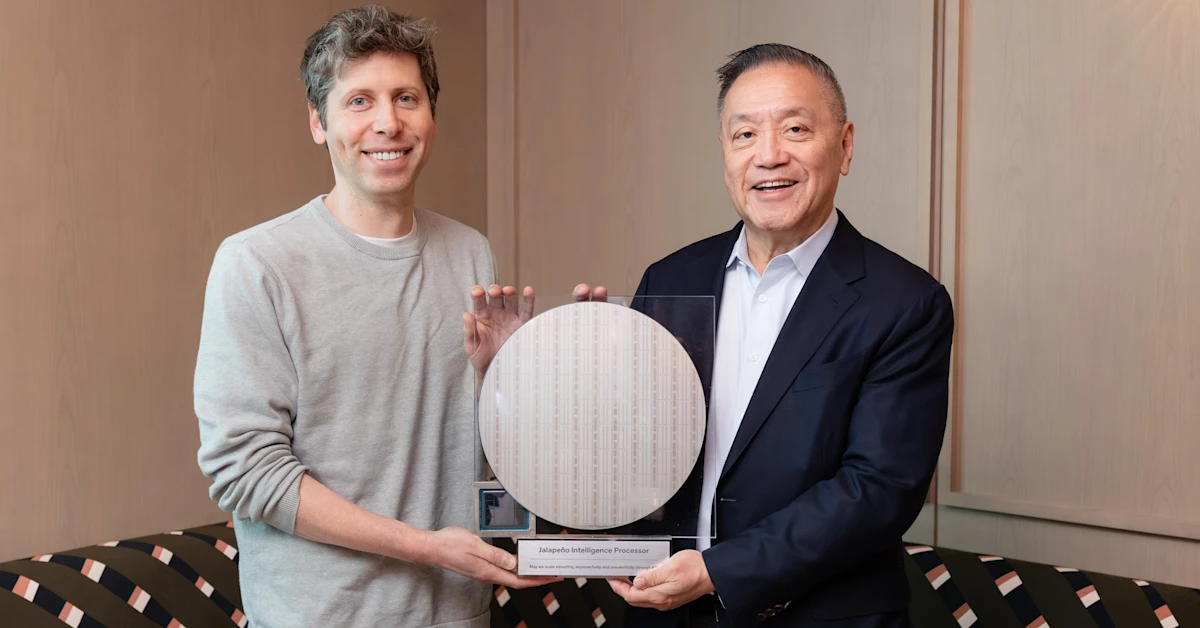
OpenAI has unveiled Jalapeño, its first custom AI chip developed with Broadcom, signaling a push toward greater control over the hardware powering ChatGPT and future AI services.

Ask.com just shut down after almost 30 years, and with it goes Jeeves, the butler who once made searching the web feel almost human.
OpenAI’s GPT-5 is officially here, offering faster answers, better reasoning, and fewer hallucinations. But is it actually useful for real work?