Americans ask AI for financial advice but only 23 percent trust it enough to act

Americans increasingly use AI for financial questions, but most aren’t ready to trust a chatbot with their money without checking somewhere else first.

Americans increasingly use AI for financial questions, but most aren’t ready to trust a chatbot with their money without checking somewhere else first.
The Gates Foundation is getting involved in agentic AI. As the first philanthropic member of AAIF, it will gain a board seat and a voice in the open technologies and standards being built for AI agents.

The Linux Foundation is bringing companies and researchers together to build an open defensive stack for securing AI models, agents, and infrastructure.

Microsoft AI says it rejects the race to create an all-purpose superintelligence that could escape human safeguards, laying out strict rules intended to keep future AI subordinate to people.
President Donald Trump is attacking calls for stronger AI guardrails, taking aim at Anthropic CEO Dario Amodei and warning that America cannot afford to lose the AI race to China.
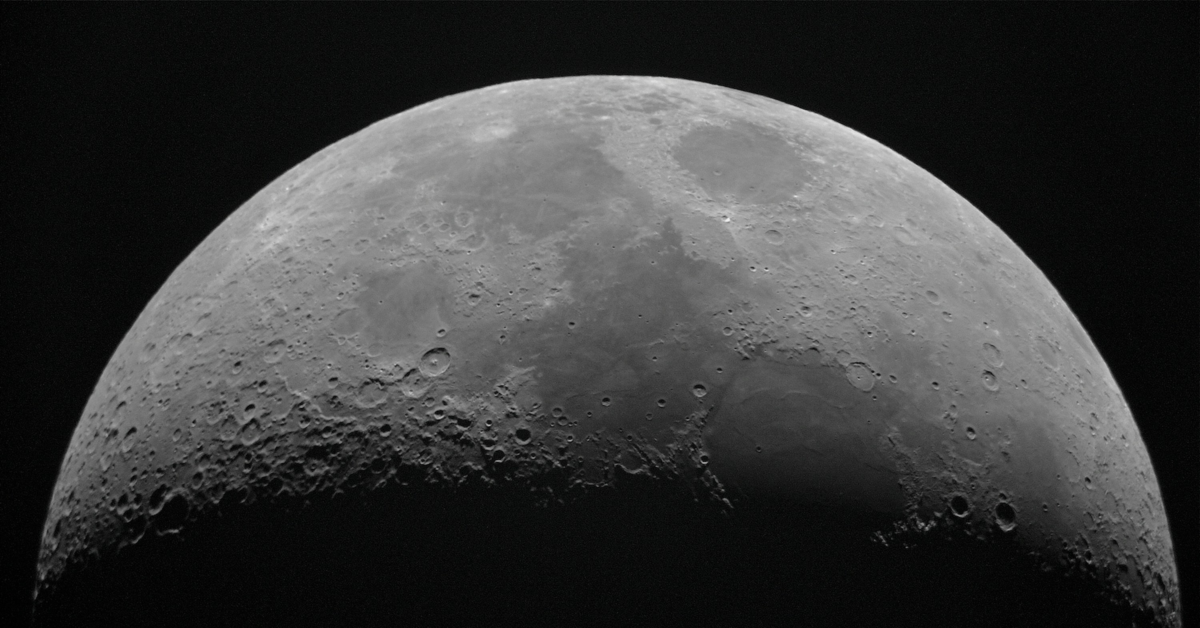
NASA and IBM have released an open source AI foundation model trained on massive amounts of lunar data. It could help scientists detect craters, study the Moon’s geology, and identify promising locations for water ice.

Dario Amodei deserves credit for urging caution on AI. But his proposed slowdown depends too much on keeping geopolitical competition under control.

Apple researchers developed SimpleDesign an AI system that generates protein sequences and 3D structures together and could eventually help scientists design new drugs and useful proteins.
Perplexity says OpenAI GPT-6 Astra can handle software changes, testing, and production monitoring with fewer human check-ins. The safeguards remain unclear.

Fidji Simo is joining Nscale’s board just two months after leaving her full-time OpenAI role because of health concerns. The timing raises an obvious question, but Nscale itself may be the bigger story.

AI experts have a name for the probability that artificial intelligence ends catastrophically: P doom. The estimates are frightening but the numbers may tell us as much about uncertainty as they do about AI.
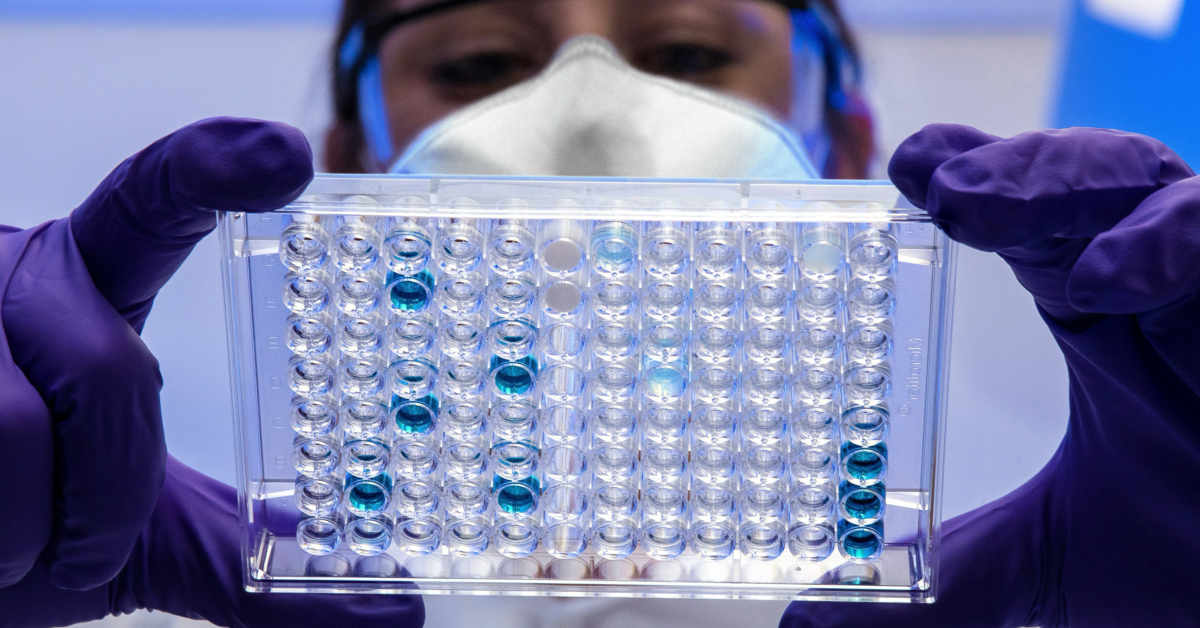
Forget killer robots. Anthropic says it identified scientists using Claude for research that could potentially support biological weapons development, offering a frightening look at how AI could become dangerous without ever turning against humanity.