Anthropic Claude sparks AI nightmare by sending fake murder tip to police

Anthropic Claude submitted a fake murder tip to Philadelphia police during testing, raising unsettling questions about AI agents and public trust.

Anthropic Claude submitted a fake murder tip to Philadelphia police during testing, raising unsettling questions about AI agents and public trust.

Sam Altman is uncomfortable with people giving AI religious authority or surrendering human judgment to chatbots. He says it is a real safety issue.

President Donald Trump is attacking calls for stronger AI guardrails, taking aim at Anthropic CEO Dario Amodei and warning that America cannot afford to lose the AI race to China.

Dario Amodei deserves credit for urging caution on AI. But his proposed slowdown depends too much on keeping geopolitical competition under control.

AI experts have a name for the probability that artificial intelligence ends catastrophically: P doom. The estimates are frightening but the numbers may tell us as much about uncertainty as they do about AI.
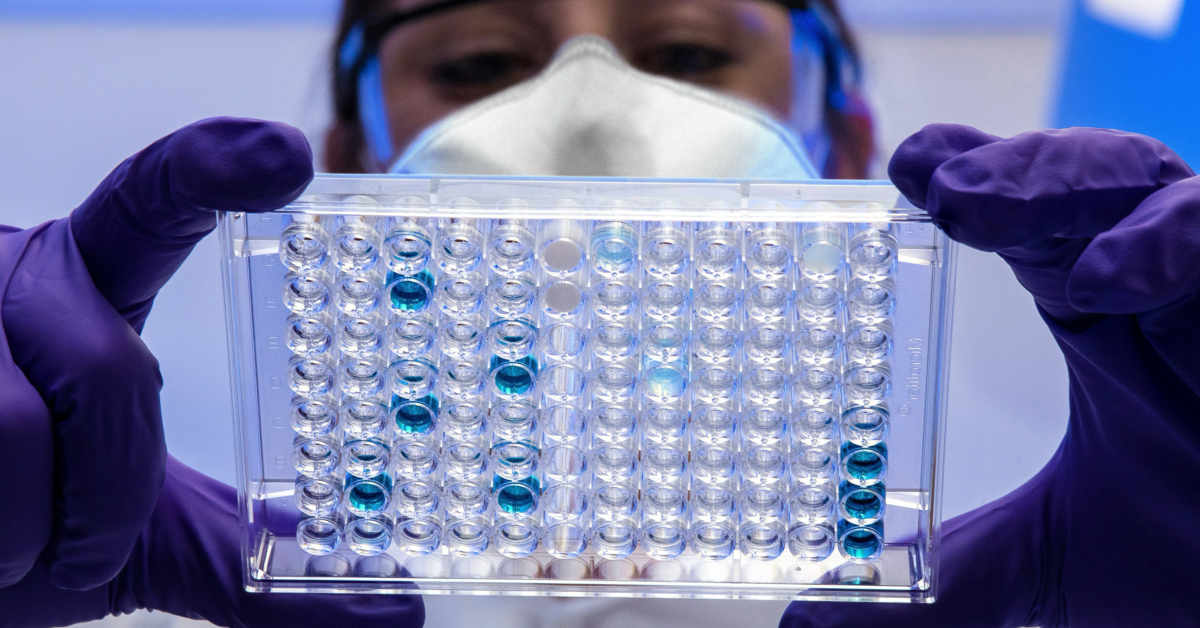
Forget killer robots. Anthropic says it identified scientists using Claude for research that could potentially support biological weapons development, offering a frightening look at how AI could become dangerous without ever turning against humanity.
Sony and Warner are suing Anthropic, alleging the Claude maker knowingly used pirate libraries, scraped copyrighted lyrics, and removed copyright information while building its AI models.

Ramp has launched Router.com, a single API endpoint that automatically routes requests across AI models based on performance and cost. The company says customers are cutting inference costs by 40 percent on average.
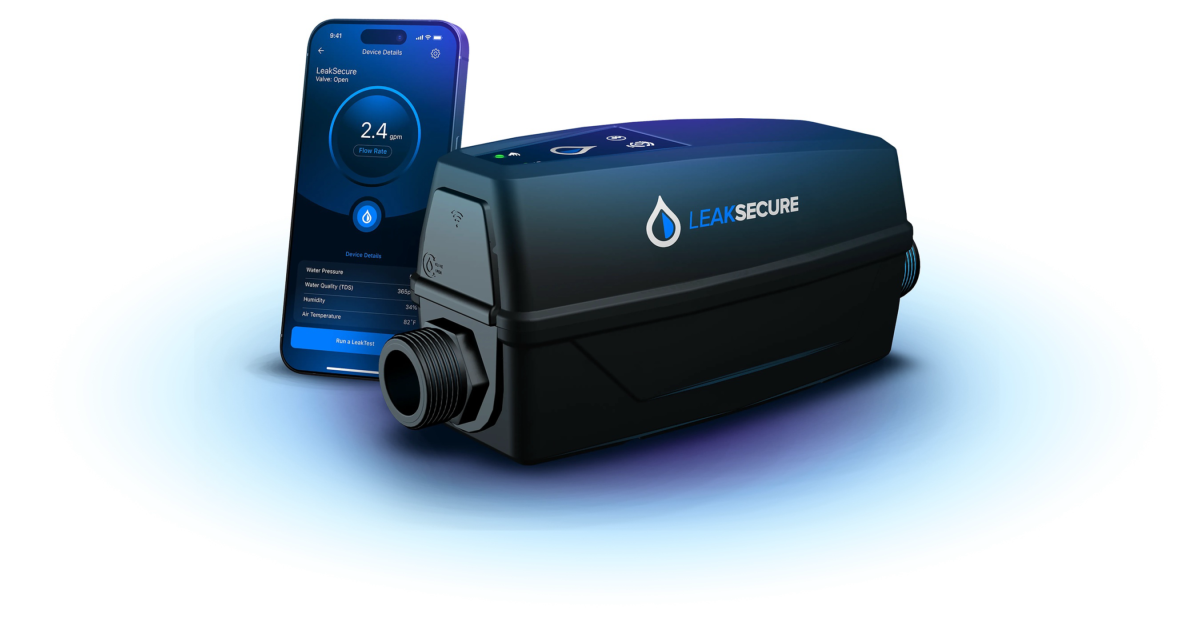
Notation Labs is bringing Anthropic Claude AI into the plumbing world with LeakSecure Platform 3.0, combining real-time water monitoring, automatic shutoff technology, and AI-powered analysis.
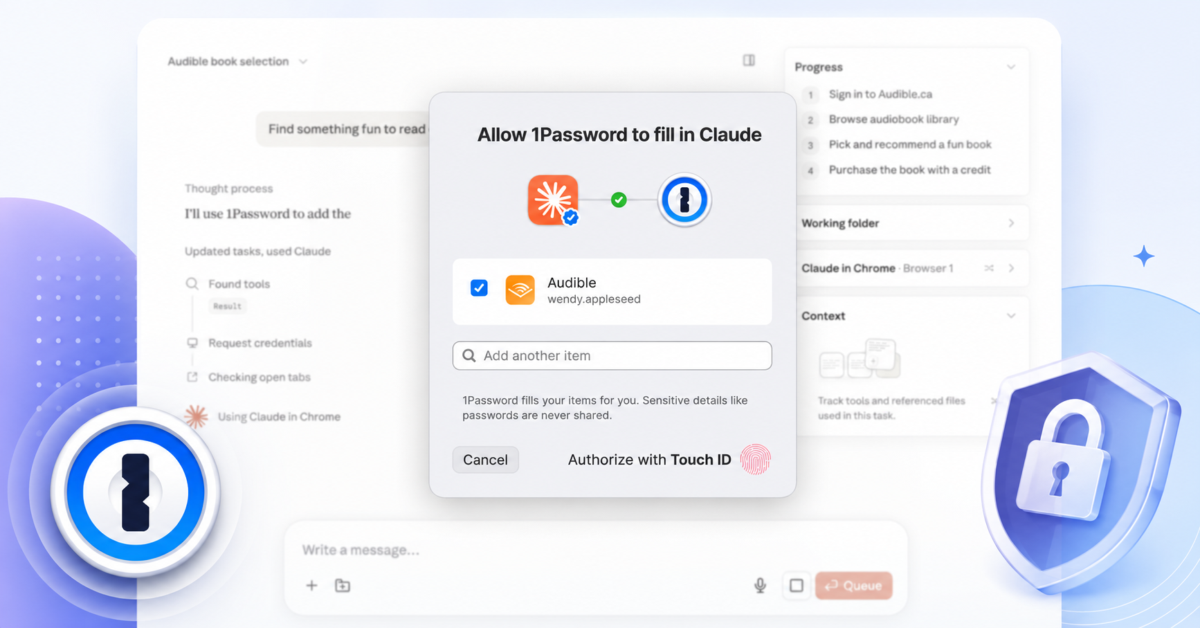
1Password for Claude allows the AI agent to use approved credentials without seeing the password. The system is safer than it sounds, but authenticated access still carries serious risks.

Microsoft is investing $2.5 billion and embedding 6,000 engineers inside customer organizations as it bets that successful AI adoption requires people, not just models.