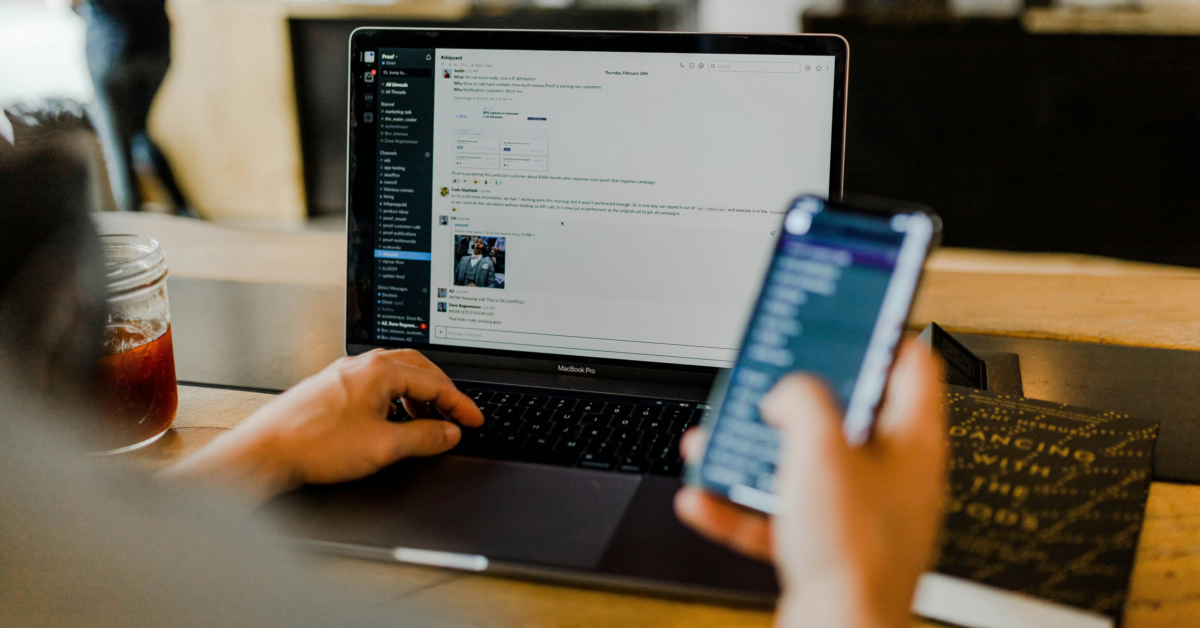
Anthropic has introduced Claude Tag, a new feature that lets teams bring Claude directly into Slack and assign it work much like they would a human colleague.
The concept is straightforward. Add Claude to a Slack channel, give it access to the tools and data it needs, then tag @Claude whenever you want something done. The AI can break tasks into steps, gather information, write code, analyze data, and report back in a thread while the humans focus on other priorities.
If that sounds like another Slack bot, Anthropic would probably argue otherwise.
The company is positioning Claude Tag as something closer to a digital coworker. Rather than starting from scratch with every interaction, Claude can build context from conversations happening in channels where it has permission to participate. Over time, that context is supposed to help it become more useful to the team.
Anthropic says the feature has become a significant part of its own workflow. In fact, the company claims that 65 percent of its product team’s code is now created by its internal version of Claude Tag. That’s an eye-catching statistic, although it naturally raises questions about how much of that code is reviewed, refined, and maintained by humans.
One of the more interesting capabilities is what Anthropic calls “ambient” behavior. When enabled, Claude can proactively surface information it thinks may be relevant, follow up on unresolved issues, and notify users about developments across connected systems.
Whether that sounds helpful or annoying will probably depend on your tolerance for interruptions.
Claude Tag can also work asynchronously. Users can assign a task and move on while the AI handles the details. Anthropic says Claude can even schedule tasks for itself and continue working on projects over the course of hours or days.
The feature is launching in beta for Claude Enterprise and Team customers. Administrators can control which channels Claude can access, what tools it can use, and how much money the organization is allowed to spend on AI usage.
What stands out most is the larger trend. AI companies increasingly seem less interested in getting people to open chatbot windows and more interested in embedding AI directly into the software workers already use every day. Anthropic clearly believes the future isn’t asking a chatbot for help when needed. Instead, it wants Claude sitting in Slack all day, waiting for assignments like any other member of the team.
I can see the appeal. As someone who uses AI regularly, the idea of delegating tasks and letting an assistant work in the background sounds genuinely useful. If Claude Tag works as advertised, it could end up being much more valuable than the typical Slack bot that gets ignored after the novelty wears off.
At the same time, I’m hesitant to put all my eggs in one basket. The more capable these AI systems become, the more tempting it is to hand over additional responsibilities. At what point does a helpful assistant become something your team can’t function without? How much access should an AI have to company conversations, data, code, and internal processes? And if Claude ends up becoming the center of a team’s workflow, what happens when it gets something wrong?
Anthropic is betting people will embrace AI coworkers. That may very well happen. But as these tools become more capable and more deeply integrated into the workplace, organizations should probably spend as much time thinking about dependency as they do productivity.
Support independent tech journalism
NERDS.xyz is independently owned and operated. If you enjoy my coverage of Linux, AI, hardware, cybersecurity, and tech culture, consider supporting the site on Ko-fi.
Support NERDS.xyz