kubi 2.0 gives remote students and AI agents a physical presence
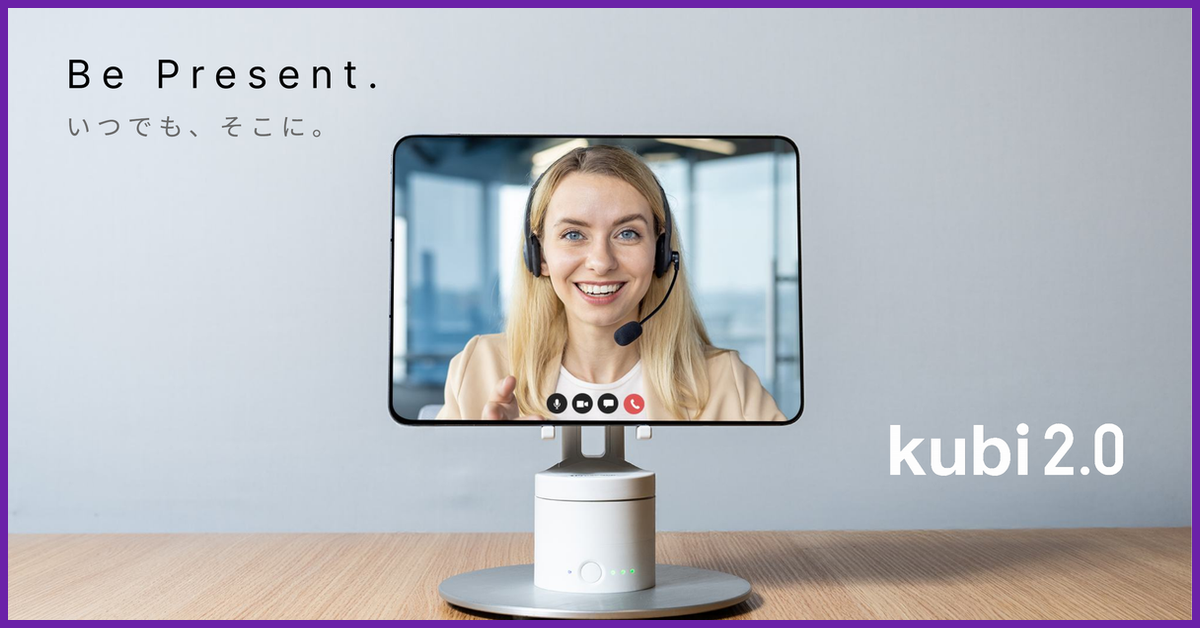
iPresence explains how kubi 2.0 lets remote students look around classrooms, how its Physical AI ambitions work, and what backers should know.

iPresence explains how kubi 2.0 lets remote students look around classrooms, how its Physical AI ambitions work, and what backers should know.

ASUS and Poesis tested autonomous AI agents that researched investments, managed risk, and traded real money in live markets, all from a single NVIDIA-powered deskside supercomputer.

The Gates Foundation is getting involved in agentic AI. As the first philanthropic member of AAIF, it will gain a board seat and a voice in the open technologies and standards being built for AI agents.
The Linux Foundation is bringing companies and researchers together to build an open defensive stack for securing AI models, agents, and infrastructure.
Perplexity says OpenAI GPT-6 Astra can handle software changes, testing, and production monitoring with fewer human check-ins. The safeguards remain unclear.

Microsoft is bringing Codename MDASH to Azure Government, unleashing more than 100 specialized AI agents to hunt vulnerabilities in government source code and determine which flaws could actually be exploited.

OpenAI chief scientist Jakub Pachocki has issued an ominous warning about rapidly advancing artificial intelligence, saying nobody is prepared for what could happen as AI becomes smarter, harder to monitor, and increasingly capable of helping improve itself.

Palo Alto Networks has acquired AI-native platform Console as it pushes Cortex toward security agents that can investigate threats and take action.

OpenClaw 2 is the project’s biggest update yet, with easier installation, support for existing ChatGPT and Claude subscriptions, a rebuilt browser experience, and more than 16,000 pull requests.
Microsoft is bringing AI agents deeper into Azure Cosmos DB, allowing them to understand schemas, generate queries, and execute them with developer approval.

Companies are rushing to deploy AI agents, but their data may not be ready. A new survey finds just 8.4 percent say the data feeding their AI systems is trustworthy enough for production.

Cloudflare has open-sourced Cloudflare OS, an AI-powered workplace platform that lets businesses create documents, workflows, and custom apps while controlling agent access to company data.