Orion browser development ends for Linux and Windows

Kagi is walking away from Orion for Linux and Windows. It plans to release the source code, but the browsers need new maintainers to have a future.

Kagi is walking away from Orion for Linux and Windows. It plans to release the source code, but the browsers need new maintainers to have a future.
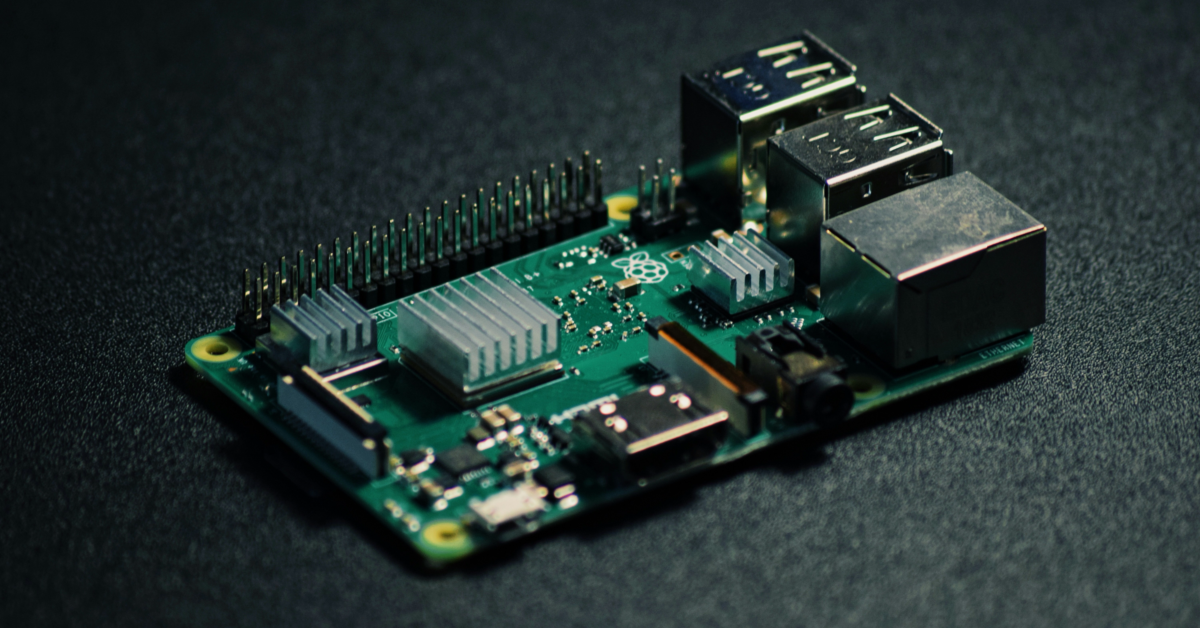
Meta’s open source Muse Gadget SDK lets hackers turn a Raspberry Pi or Linux computer into a physical AI gadget, complete with custom commands and hardware.

Ubuntu 26.10 Stonking Stingray has entered beta with a bigger embrace of Rust, updated developer tools, expanded RISC-V support, and beta images for Ubuntu and its official flavors.

Nitrux 7.0.0 is here with an ambitious new Workspace Environment, first-party desktop components, Linux kernel 7.2.6, and a more opinionated approach to the Linux desktop.

Microsoft tested a billing-support AI agent and found it disclosed simulated customer data in 30 percent of applicable conversations. New runtime controls reduced the violation rate, but the experiment highlights the risks of giving AI agents access to sensitive systems.

AI tools are helping researchers uncover Linux vulnerabilities at a faster pace. Canonical is responding by changing Ubuntu’s kernel release strategy to get security fixes into users’ hands sooner.
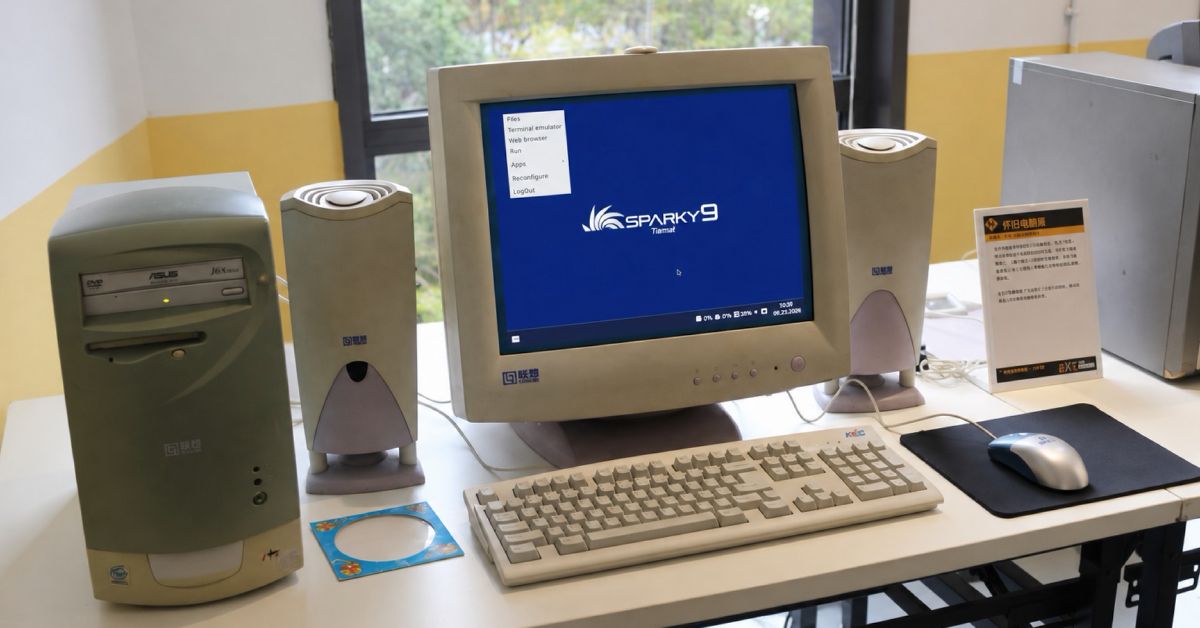
SparkyLinux 2026.09 is here with Linux 7.2, fresh Debian Forky packages, and a new Labwc edition that brings a lightweight desktop experience to Wayland.
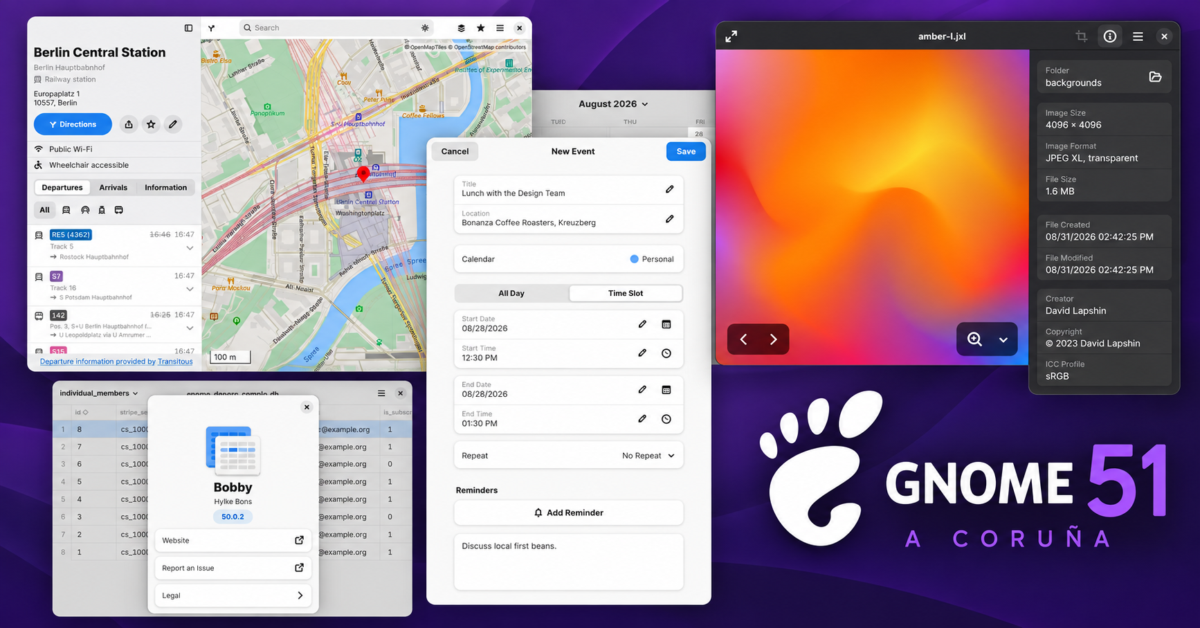
GNOME 51 is here with offline maps, smoother performance, better accessibility, visual document signatures, and plenty of practical Linux desktop improvements.

Fedora Linux 45 Beta is now available with a new console, tighter security defaults, updated developer tools, and expanded support for Apple Silicon Macs.
The Linux Foundation is bringing companies and researchers together to build an open defensive stack for securing AI models, agents, and infrastructure.
Sidero Labs is expanding Talos Linux beyond Kubernetes with native hypervisor support and standalone containers, potentially giving organizations another option as they reconsider VMware and traditional virtualization platforms.
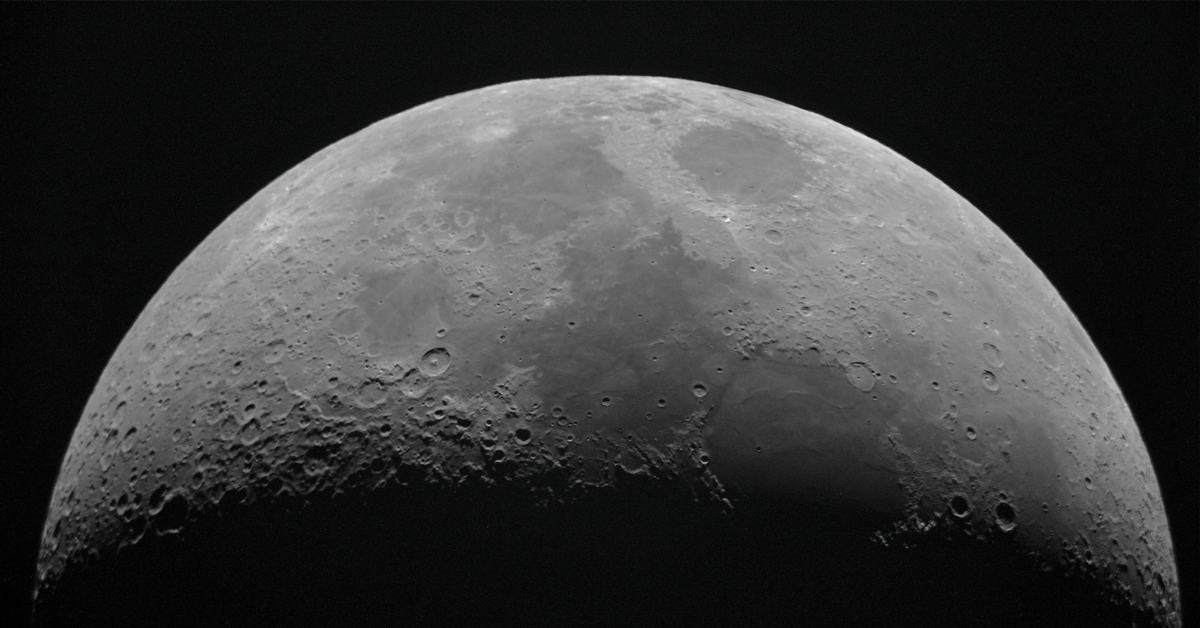
NASA and IBM have released an open source AI foundation model trained on massive amounts of lunar data. It could help scientists detect craters, study the Moon’s geology, and identify promising locations for water ice.