US government gives IBM company $1 billion to build America’s quantum future
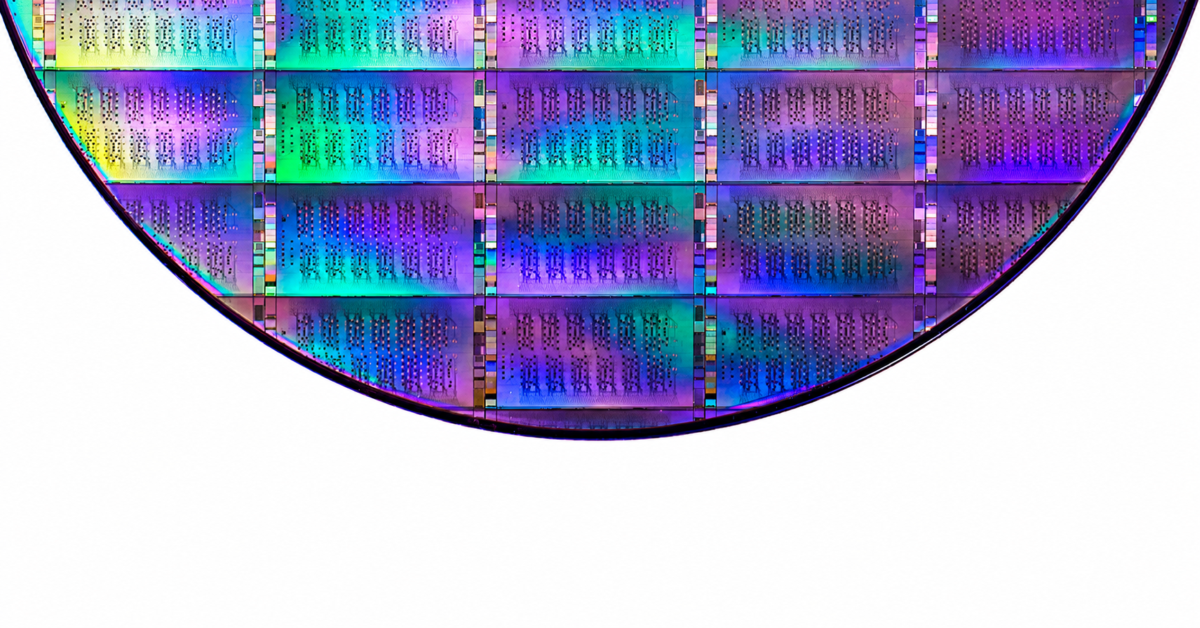
The US government has finalized a $1 billion CHIPS Act award for IBM company Anderon as it builds out quantum wafer manufacturing in Albany New York.

The US government has finalized a $1 billion CHIPS Act award for IBM company Anderon as it builds out quantum wafer manufacturing in Albany New York.

NASA and IBM have released an open source AI foundation model trained on massive amounts of lunar data. It could help scientists detect craters, study the Moon’s geology, and identify promising locations for water ice.

IBM and Red Hat are offering Lightwell at no charge to more than 285 U.S. universities, NGOs, and think tanks to help secure open source software.
IBM says AI-powered cyberattacks are becoming faster, more common, and far more expensive. Its latest Cost of a Data Breach Report found AI-enabled breaches now average $6 million, while companies that embrace AI for security save nearly $2 million per incident.

NVIDIA, Microsoft, Meta, IBM, Mozilla, and other major technology companies are backing open AI models, arguing they protect competition, expand access, and give regular folks a fair chance to build without deep financial backing.

IBM is acquiring HRL Laboratories, the research organization jointly owned by Boeing and General Motors, as it looks to expand beyond superconducting qubits and strengthen its quantum computing ambitions.
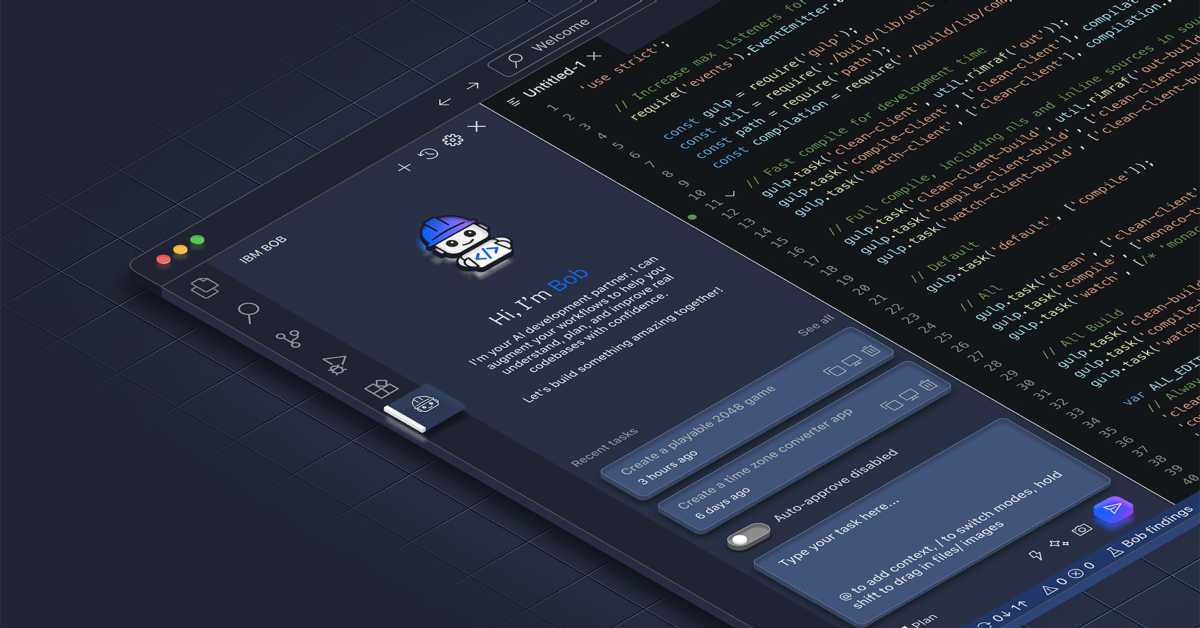
IBM says the biggest challenge in AI-powered software development is no longer generating code. Instead, the company argues that reviewing and validating AI-generated code has become the real bottleneck, prompting new multi-agent capabilities and modernization tools for its Bob platform.
IBM and Red Hat are rolling out Lightwell, a new AI-powered platform that promises to help enterprises patch vulnerable open source software without disruptive upgrades.
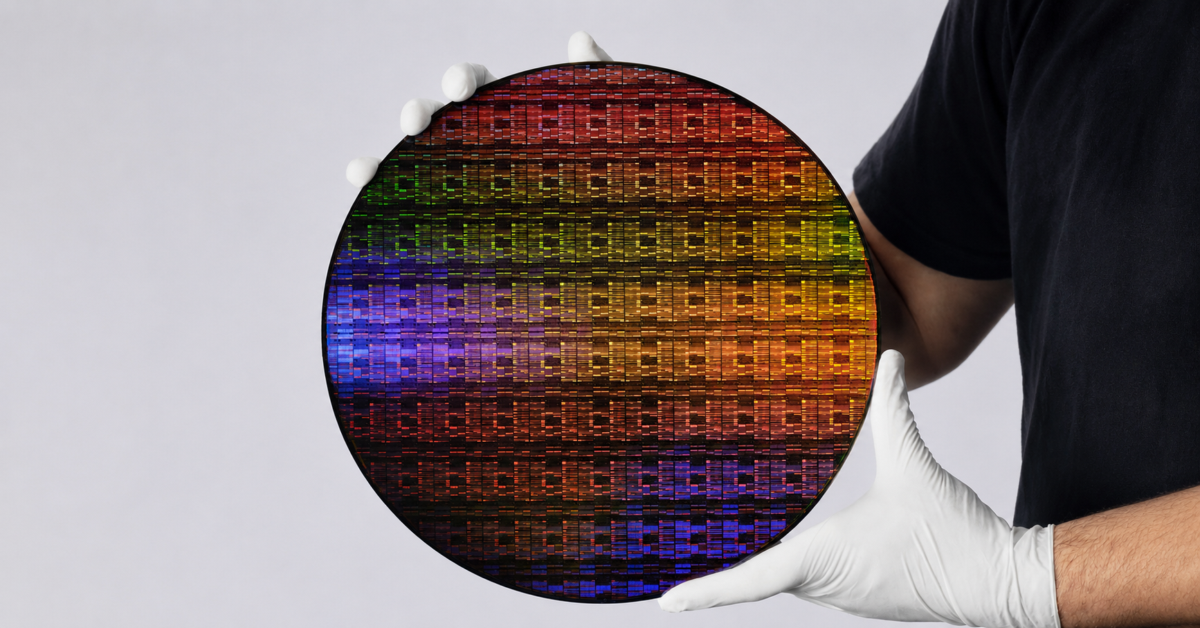
IBM has unveiled what it says is the world’s first sub-1 nanometer chip technology, powered by a new 3D nanostack architecture. The breakthrough could extend semiconductor scaling for another decade while delivering major gains in performance and energy efficiency.

IBM has joined OpenAI’s Daybreak Cyber Partner Program and launched a new AI-powered security service designed to identify software vulnerabilities before attackers can exploit them.
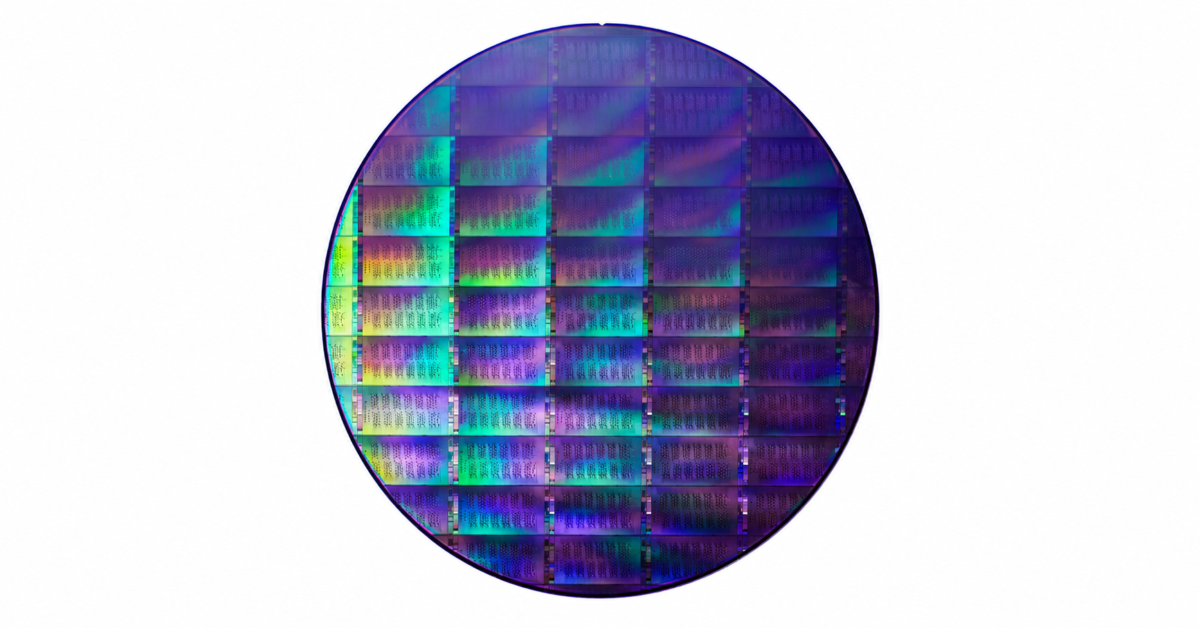
IBM is launching Anderon, a standalone quantum chip foundry company backed by a proposed $1 billion CHIPS award and another $1 billion from IBM itself. The move signals a major push to keep quantum manufacturing and innovation rooted in the United States.

IBM and an international team of researchers have created a never-before-seen molecule whose electrons travel in a corkscrew-like pattern, and proved its exotic properties using a quantum computer.