Linux 7.3 arrives with Samsung SSD fixes as Linus Torvalds goes on vacation

Linux 7.3 arrives with Samsung SSD, AMD, and Intel graphics fixes as Linus Torvalds prepares to handle Linux 7.4 development while on vacation.

Linux 7.3 arrives with Samsung SSD, AMD, and Intel graphics fixes as Linus Torvalds prepares to handle Linux 7.4 development while on vacation.
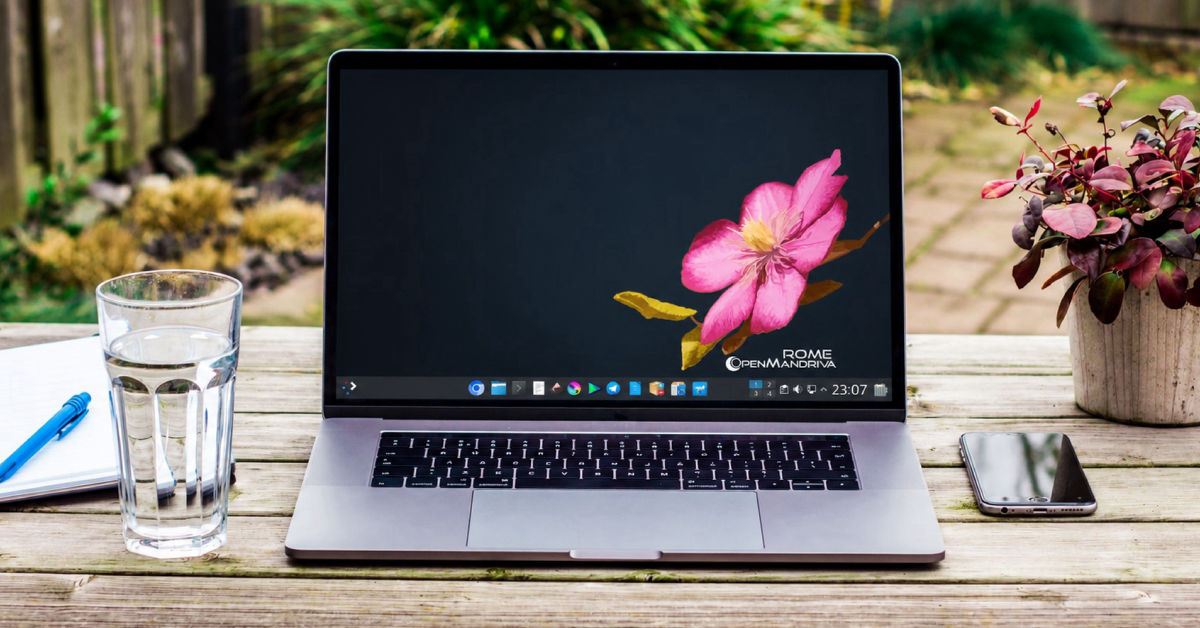
OpenMandriva ROME 26.09 is finally here with Linux kernel 7.2, a huge collection of local AI tools, better NVIDIA support, Snap compatibility, and plenty of performance-focused changes.

AI tools are helping researchers uncover Linux vulnerabilities at a faster pace. Canonical is responding by changing Ubuntu’s kernel release strategy to get security fixes into users’ hands sooner.

Linux 7.2 is officially available. Linus Torvalds released the new kernel despite a busier-than-desired final week that included several late DRM reversals and fixes throughout the kernel.
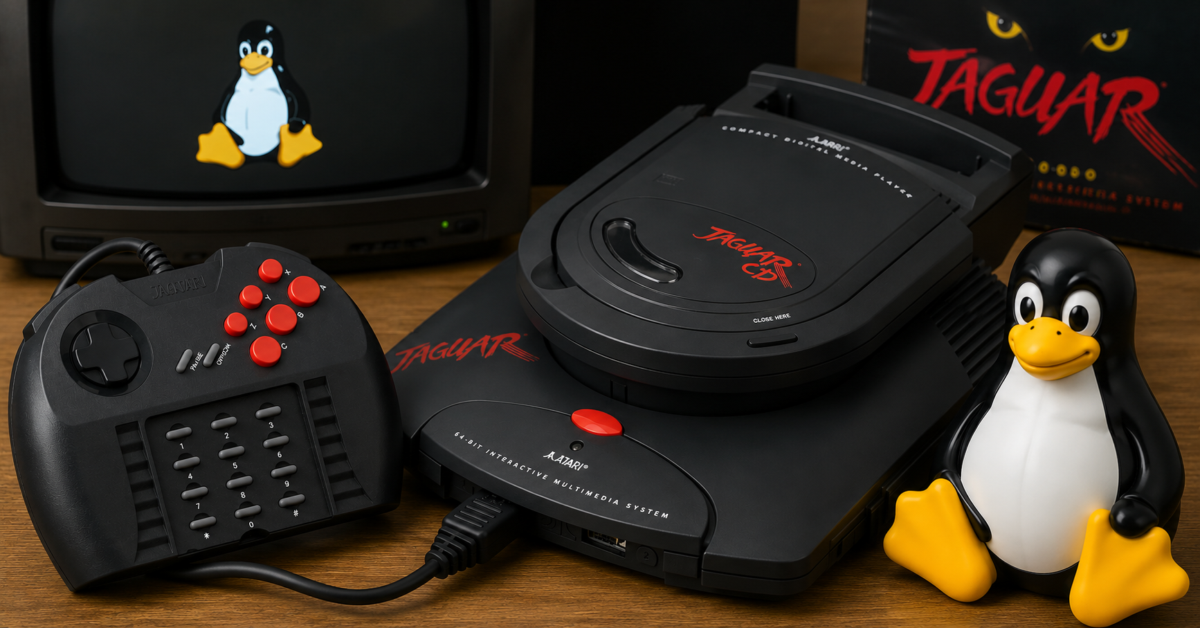
The Atari Jaguar may have been one of gaming’s biggest commercial failures, but it has earned an unlikely new achievement. Developer cakehonolulu has successfully ported uClinux to the 1993 console, overcoming its tiny 2MB of RAM, lack of an MMU, and other hardware challenges to boot Linux on real hardware.
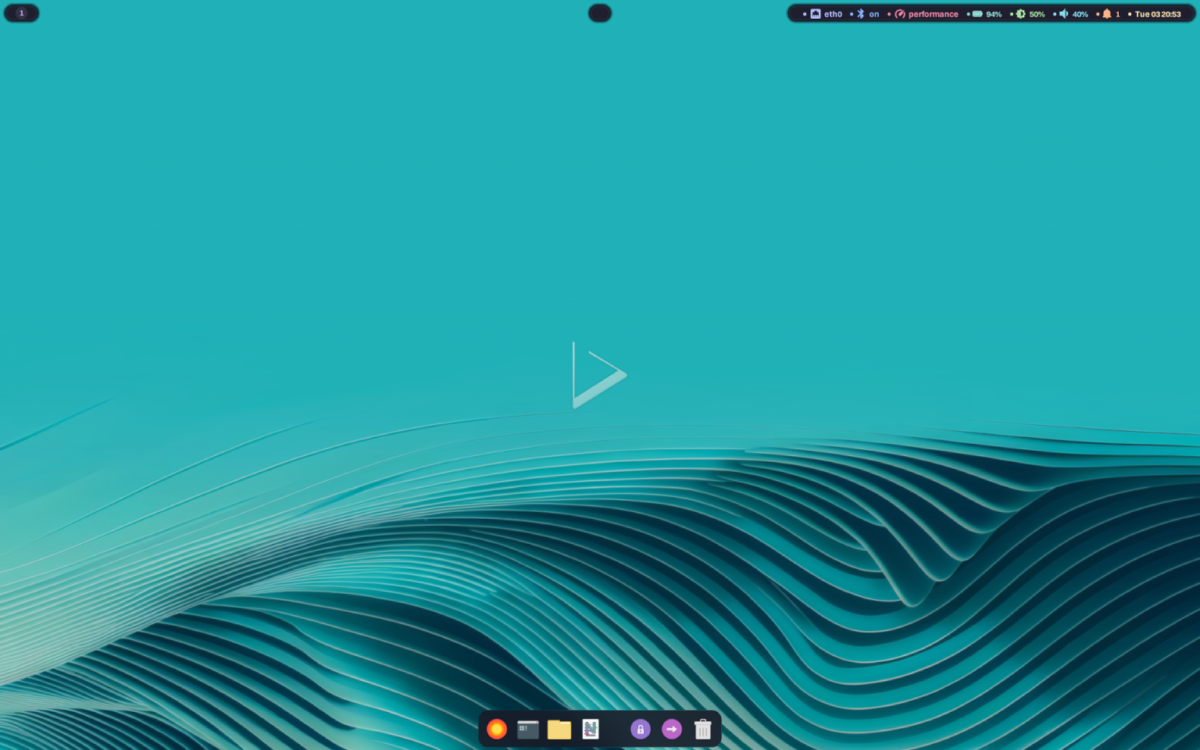
Nitrux 6.1.0 brings Linux kernel 7.0.8, Hyprland 0.55.1, MauiKit 4.0.3, updated KDE components, OpenRC-focused improvements, and tighter desktop integration for modern hardware.

A newly disclosed Linux kernel vulnerability called Copy Fail lets a normal user gain root access using just a 732-byte script. The exploit is simple, reliable, and works across major distributions like Ubuntu, RHEL, and SUSE. Even worse, it silently modifies the page cache instead of files on disk, making detection difficult and raising concerns for both local systems and containerized environments.

MX Linux 25.1 Infinity is now available, landing just one week after the beta and officially bringing back dual-init support with systemd and sysvinit on the same ISO. The release is based on Debian 13.3, ships updated Linux kernels, refreshes AHS graphics stacks, and restores one of MX Linux’s most distinctive features without forcing existing users to change their setups.