Fedora Linux 45 Beta is here with big security and desktop changes

Fedora Linux 45 Beta is now available with a new console, tighter security defaults, updated developer tools, and expanded support for Apple Silicon Macs.

Fedora Linux 45 Beta is now available with a new console, tighter security defaults, updated developer tools, and expanded support for Apple Silicon Macs.
OpenAI is finally giving Linux users an official ChatGPT desktop app, with preview support for Ubuntu, Debian, Fedora, x64, and ARM64 systems.
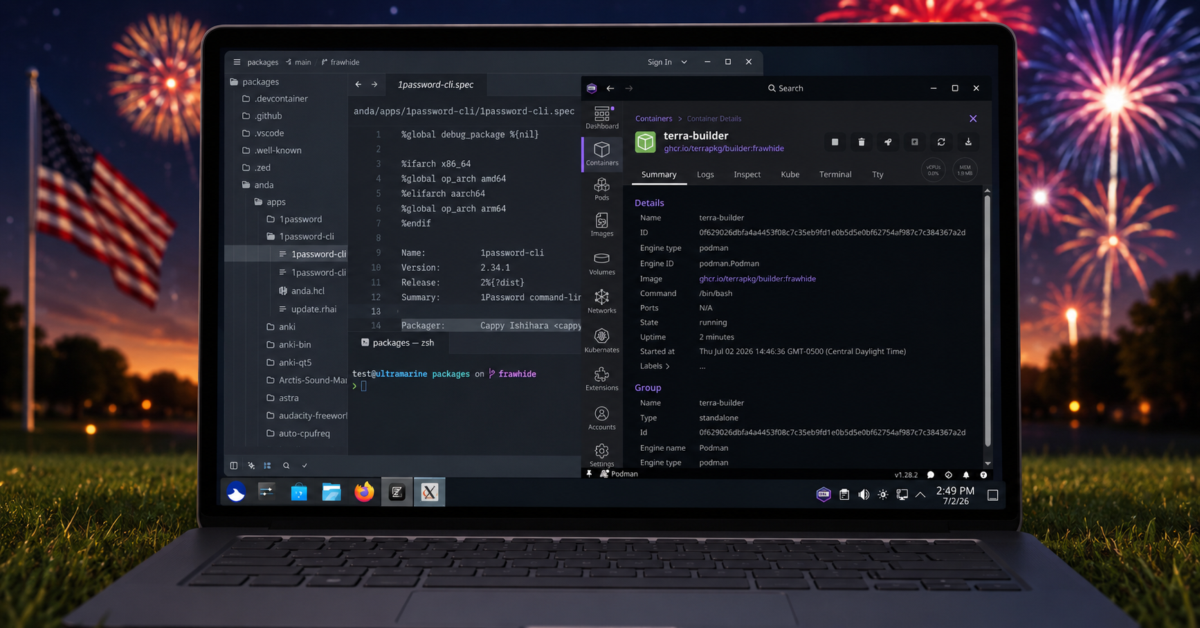
If Windows has started feeling less like your computer and more like somebody else’s platform, this Independence Day might be the perfect time to explore a different path with the newly released Ultramarine Linux 44.

A Fedora 43 and Dovecot 2.4 upgrade may have uncovered an old Microsoft Outlook behavior where SSL/TLS settings allegedly failed to properly encrypt POP3 email connections.

Fedora Linux 44 is here with GNOME 50, Plasma 6.6, newer developer tools, and updated Asahi Remix support for Apple Silicon Macs.

Fedora Asahi Remix 43 is here, bringing Fedora Linux 43 to Apple Silicon Macs with DNF5, RPM 6, and expanded hardware support including 120Hz displays.

Fedora Linux 43 drops GNOME on X11, adopts GNOME 49, and rolls in big toolchain updates like RPM 6.0, LLVM 21, and Python 3.14. Showtime becomes the default player and Noto Emoji moves to COLRv1.

Fedora Linux 43 Beta has been released with a refreshed installer, updated toolchains, new programming language support, and the removal of older packages. Testers are invited to provide feedback before the stable release.