Fedora Linux 43 exposes 20-year-old Microsoft Outlook security failure

A Fedora 43 and Dovecot 2.4 upgrade may have uncovered an old Microsoft Outlook behavior where SSL/TLS settings allegedly failed to properly encrypt POP3 email connections.
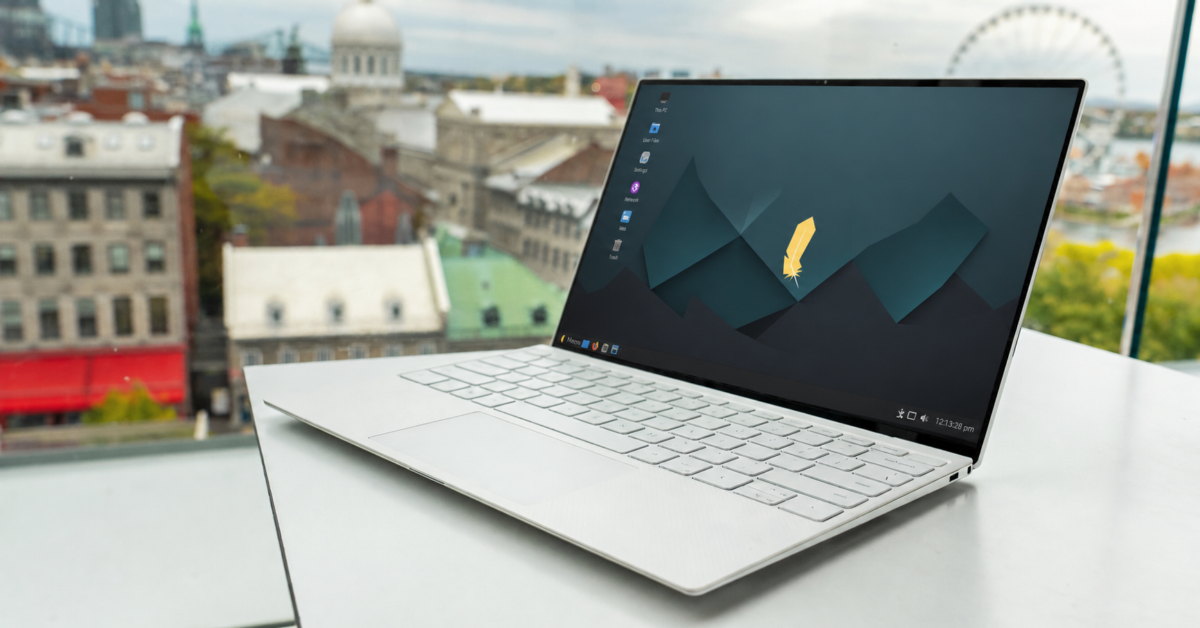
Linux Lite 8.0 Final is here with custom desktop and gaming kernels, GTK4 applications, Calamares installer support, and a huge collection of new in-house tools. The lightweight Linux distro continues to target beginners, Windows switchers, and power users alike.
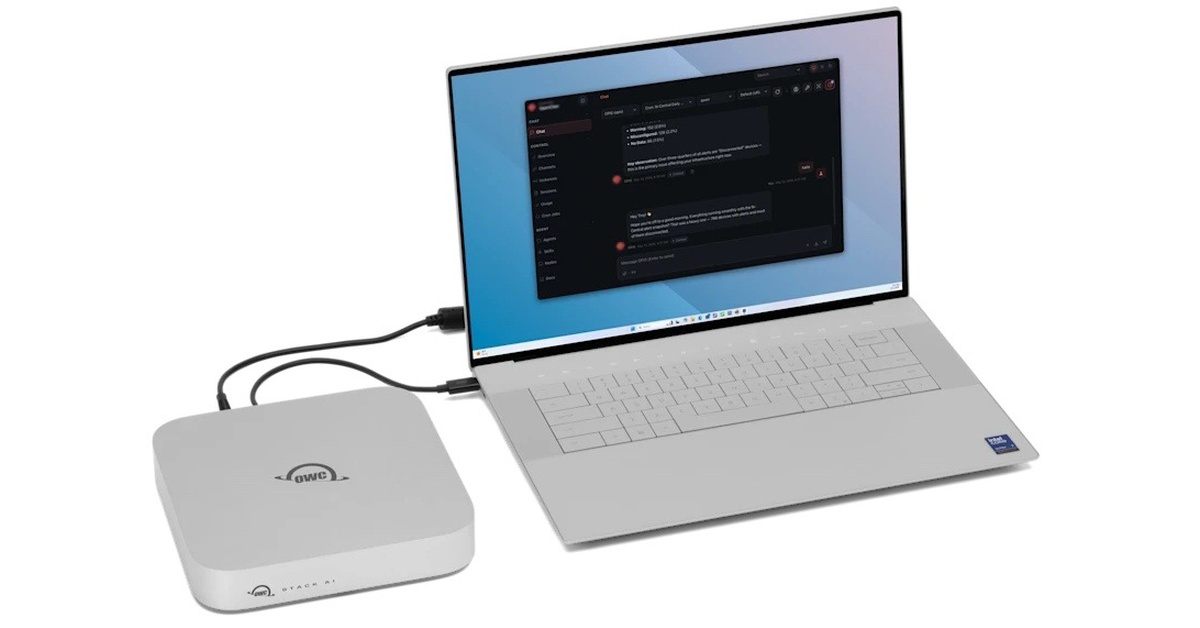
OWC Stack AI aims to help Windows and Linux users run larger AI models locally while reducing cloud AI costs and privacy concerns.
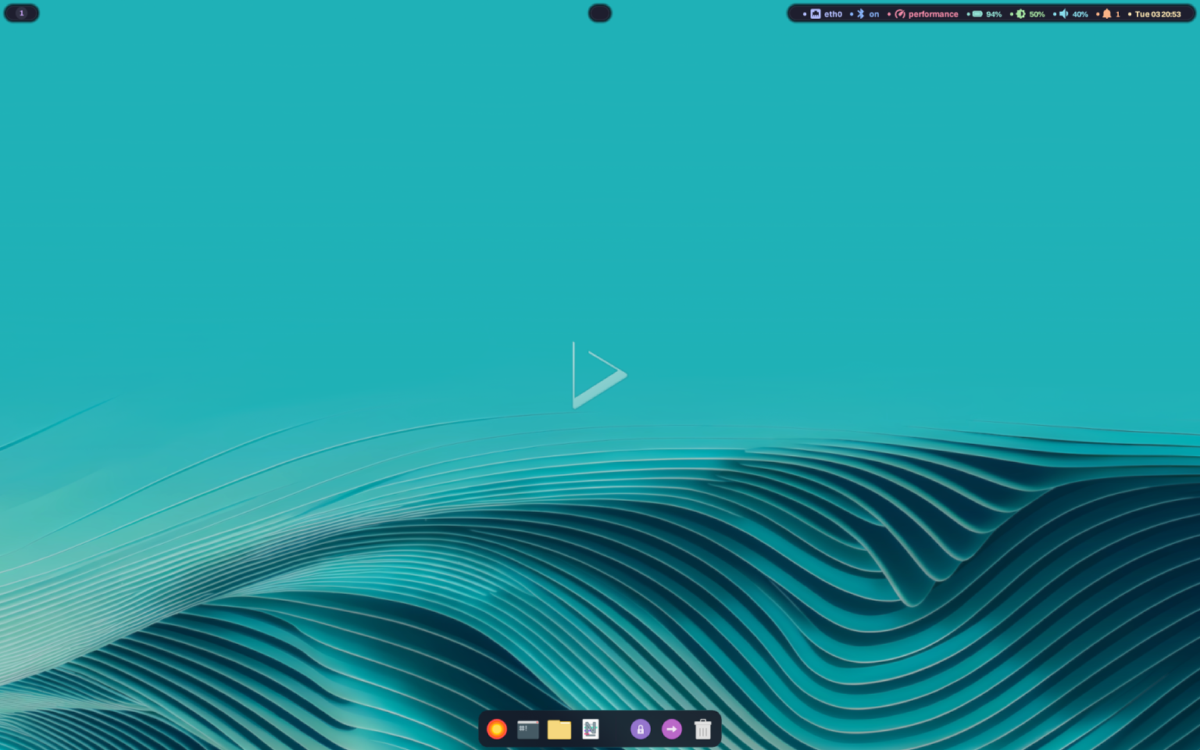
Nitrux 6.1.0 brings Linux kernel 7.0.8, Hyprland 0.55.1, MauiKit 4.0.3, updated KDE components, OpenRC-focused improvements, and tighter desktop integration for modern hardware.
Debian 13.5 bundles a huge collection of security updates and bug fixes, reminding Linux users why stable, reliable distributions still matter.
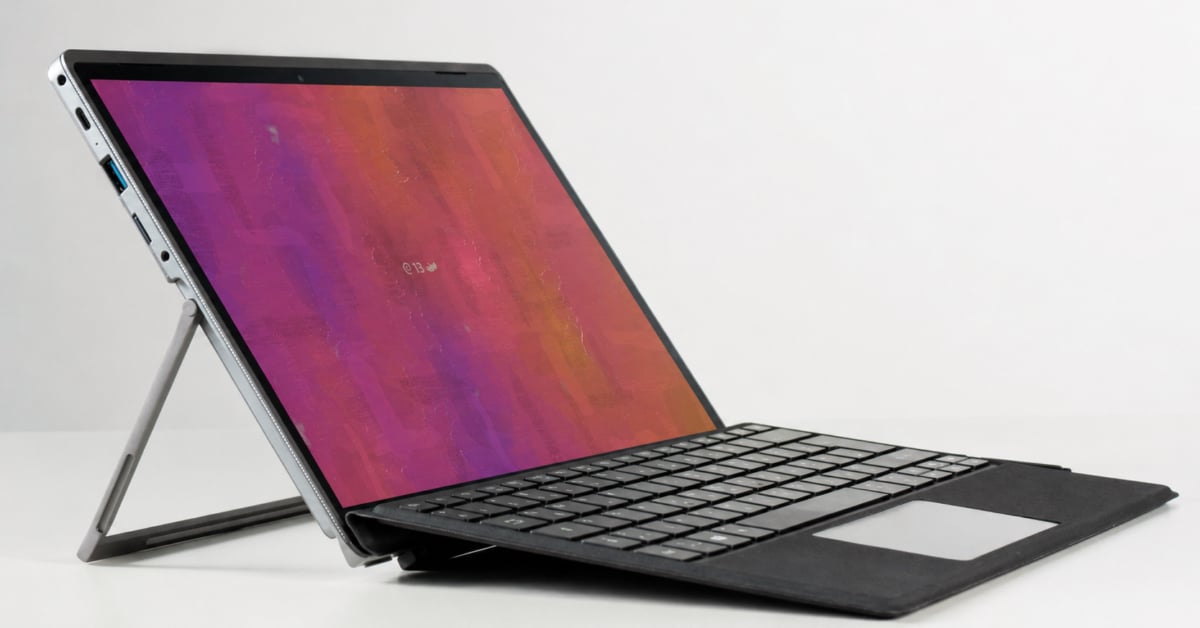
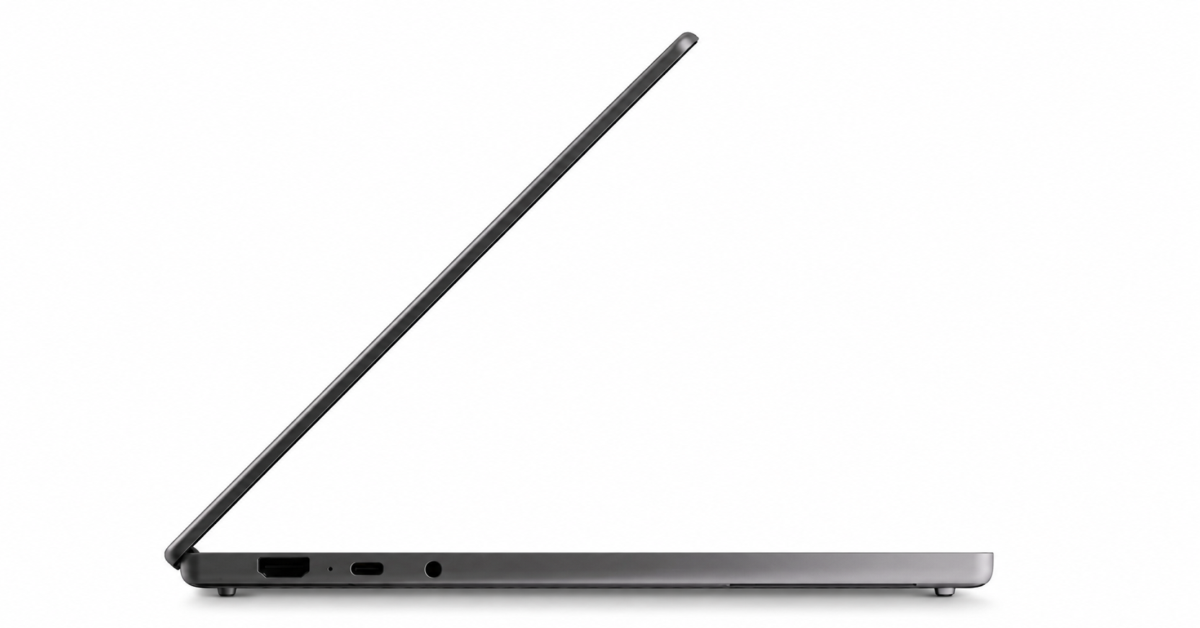
Googlebook is Google’s new AI-focused laptop platform that combines Android, ChromeOS, and Gemini into one heavily connected experience.
A newly disclosed Linux kernel vulnerability called Copy Fail lets a normal user gain root access using just a 732-byte script. The exploit is simple, reliable, and works across major distributions like Ubuntu, RHEL, and SUSE. Even worse, it silently modifies the page cache instead of files on disk, making detection difficult and raising concerns for both local systems and containerized environments.
Fedora Linux 44 is here with GNOME 50, Plasma 6.6, newer developer tools, and updated Asahi Remix support for Apple Silicon Macs.
Solus 4.9 Serenity has arrived with Linux kernel 6.18, Mesa 26, installer improvements, LUKS2 encryption, and updated desktop environments across the board.
Zorin OS 18.1 focuses on helping Windows users transition to Linux by detecting Windows installers and recommending native Linux alternatives automatically.
Linux Kernel 7.0 is officially out, with Linus Torvalds describing another release packed with small fixes across networking, drivers, tooling, and memory handling. He also floated an interesting theory: AI tools may be helping uncover more strange bugs than ever before.
Elementary OS 8.1 is now available, and it raises a real question for PC users frustrated with Windows 11. Is this the Linux desktop that finally makes switching feel safe, calm, and practical?