Google gives Android new weapons against scammers

Google announces new Android scam protections for messages, links, screen sharing, and calls, with device limits and rollout dates stretching into December.

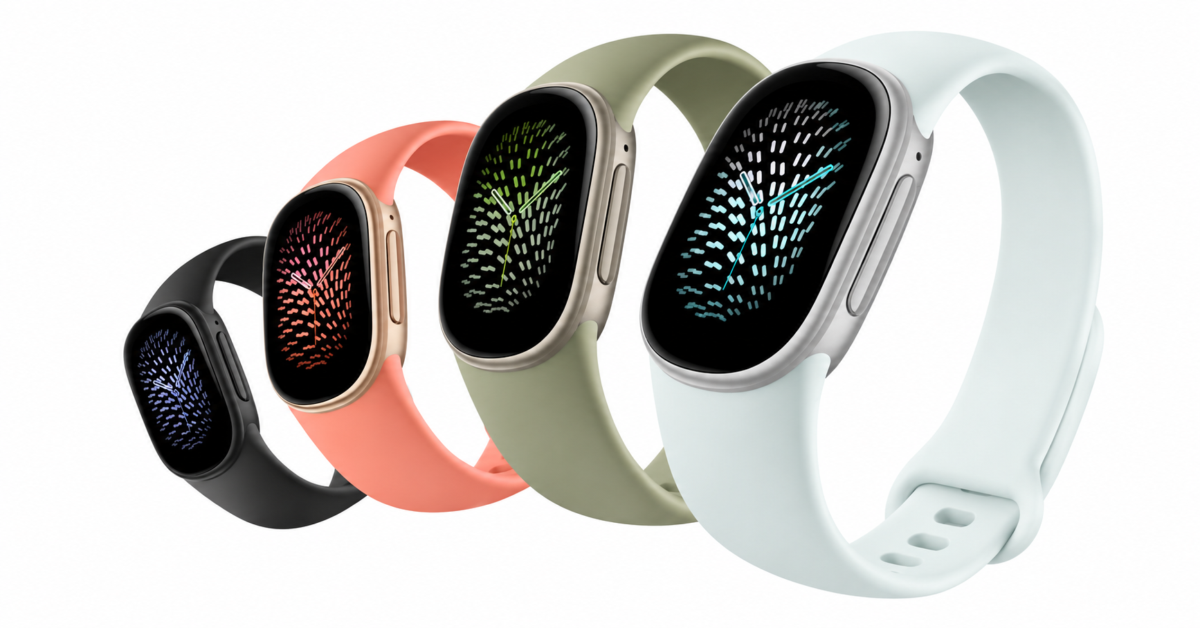
Google Fitbit Edge costs $179.99 with a replaceable battery, up to seven days of power, built-in GPS, and health features tied to Premium.

Google is putting Gemini 4 Argon to work on massive C and C++ migrations to Rust, including more than 800,000 lines associated with Fuchsia’s Zircon kernel.
Google is sending its AI chips into orbit next week. Project Suncatcher will test whether TPUs can survive space and potentially pave the way for orbital AI data centers.

Google is helping 25,000 veterans and military family members enter skilled trades as the AI boom fuels demand for the human workers needed to build and maintain data centers.

Google Maps users in the United States will now see Lake America instead of Lake Ontario after the federal government officially changed the name.

Google is putting AI to work in the skies with Operation Blue Skies, a UK-backed trial designed to help thousands of flights avoid creating climate-warming contrails.
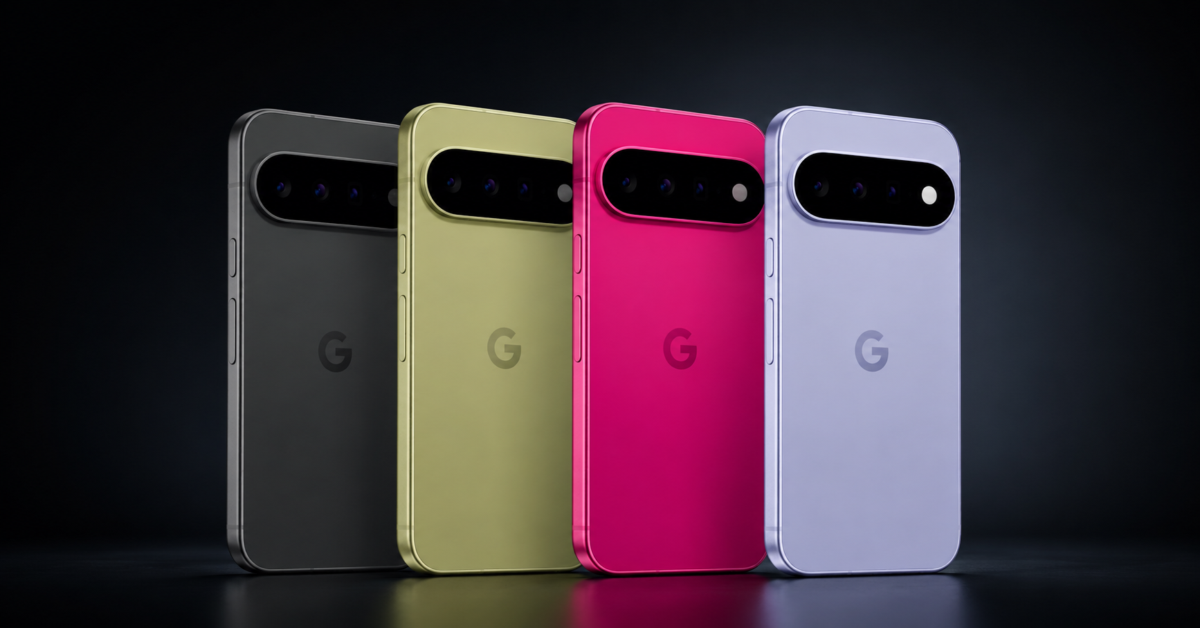
Google has unveiled the Pixel 11 series with Tensor G6, faster Gemini AI, upgraded cameras, faster charging, and seven years of updates. The Pro models also introduce HiLight, a colorful notification system built around the camera flash.
Google has changed the roles of several major AI leaders at once, raising questions about the future of DeepMind and Gemini
Google has made Chrome available for Arm64 Linux, bringing an official browser with Google Sync and built-in Widevine DRM to Raspberry Pi, Snapdragon laptops, and other Arm-powered systems.
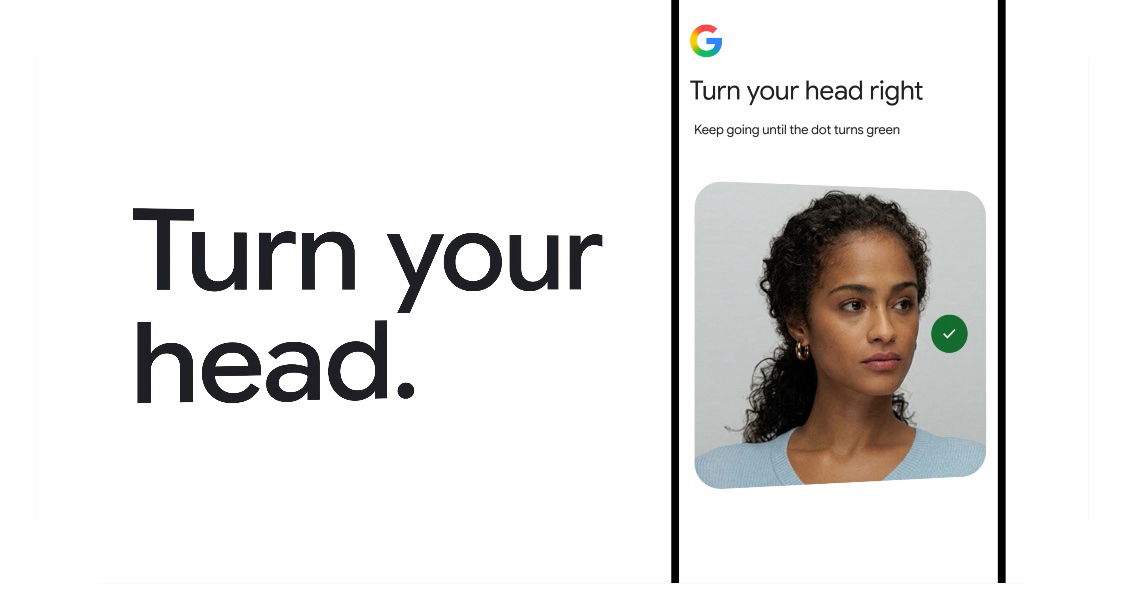
Google is introducing selfie video as a new way to recover an account when users lose access to their usual phone or computer.

Google is moving Open Health Stack to the Linux Foundation, where the open source healthcare platform will be developed under vendor-neutral governance with support from a $3 million Google.org grant.