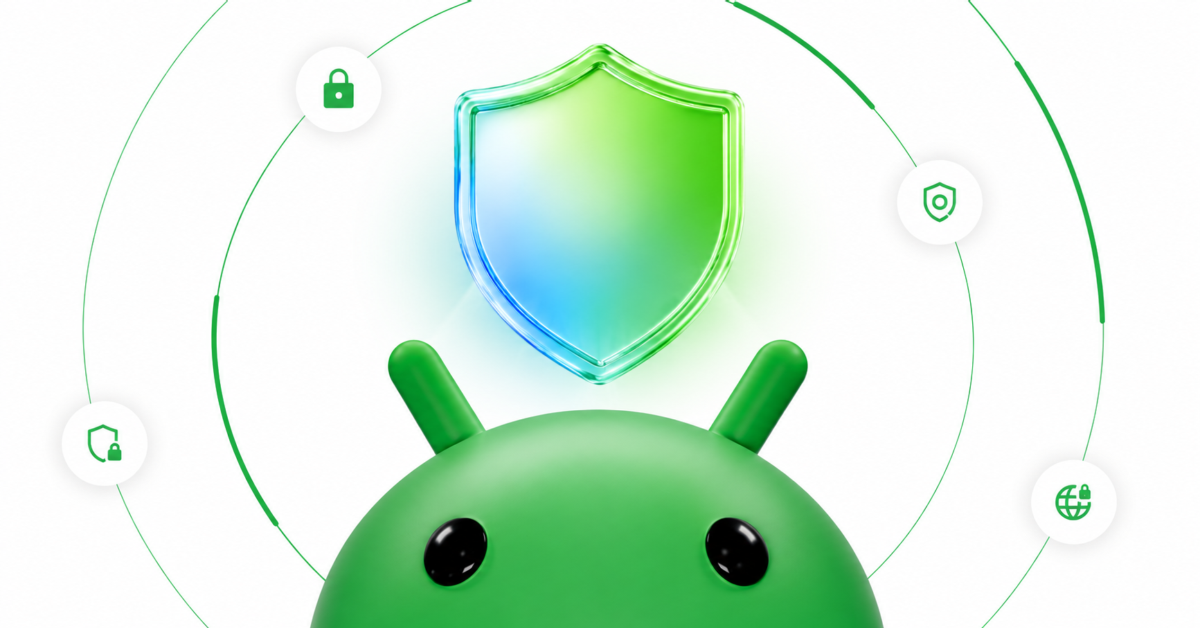
A convincing scam can turn an ordinary phone call or text into an account takeover. Google is announcing new Android defenses that target those moments, from opening a dangerous link to exposing banking information during a screen-sharing session.
The company’s latest scam protection updates include an optional Enhanced protection mode for Google Messages, rolling out in the coming weeks. It combines cloud-assisted conversation analysis, on-device link checks, and warnings before users open URLs from numbers outside their contacts.
For conversations with unknown senders, the setting lets Scam Detection tap into cloud Gemini models to assess complex exchanges. Google says this can help identify criminals who build trust gradually before revealing what they are after, extending the app’s existing on-device detection.
Google says Private AI Compute encrypts and processes that message data in a dedicated secure environment, making it inaccessible to others, including the company itself. Reporting a text as spam is a separate action that sends its contents to Google for analysis.
I am glad the cloud feature is optional. People should understand when AI examines their messages beyond their phones, and privacy assurances need to be explained clearly enough for users to make an informed choice.
Gemini Nano handles the new link assessments on the device, using real-time web signals to evaluate unfamiliar websites. The goal is to catch newly registered scam pages before they appear on lists of known threats, while redesigned warnings give users a chance to pause before tapping links from unknown numbers.
Hardware requirements vary within the package. Cloud-assisted detection supports Pixel 6 and newer, Samsung’s Galaxy S24 series and newer, Z Flip6 and Z Fold6 and newer, and other Android AICore devices. The Nano link checks require Pixel 10 or newer, Galaxy S26 devices, Z Flip8 and Z Fold8, or other selected models. The unfamiliar-number link warnings have a much broader baseline of Android 6 and newer.
Scam alerts in chat notifications are also expanding beyond Pixel to hundreds of millions more devices later this year. Partners include HONOR, Motorola, OPPO, OnePlus, realme, vivo, and Xiaomi, among others, with availability depending on the manufacturer. These on-device warnings can flag suspicious messages before someone opens a supported chat app.
Android’s screen-sharing safeguards will extend to Chrome and Android WebView this month on Android 15 and newer. Login fields and payment screens will automatically be hidden from the shared view, bringing browser content under protections already available in native apps.
Another safeguard will block apps from enabling call forwarding in the background and warn users before manually entered forwarding codes take effect. Scammers can redirect incoming calls to steal spoken one-time passcodes, but this protection will not arrive until early December on Pixel and other selected devices.
Google also highlights bank-call verification through participating financial apps, which check whether an institution actually initiated an incoming call. Since June, the company says it has blocked more than 3 million calls impersonating Banco do Brasil and Itaú Unibanco by automatically ending calls that spoof their inbound-only numbers.
Of course, Google also turns the announcement into an opportunity to challenge Apple. It cites a Leviathan Security Group assessment of built-in defenses on four phones and a YouGov survey in which iPhone users were more likely than Pixel users to report falling victim to a scam.
Both were funded by Google. The technical assessment covered specific devices and features, while the survey measured reported experiences among a defined group of smartphone users. That provides context for the findings, but it does not establish that every Android phone protects every user better than an iPhone.
The screen-sharing and call-forwarding safeguards stand out to me because they address specific actions that can expose an account. The AI features will depend on how accurately they recognize suspicious behavior, and Google should make it easy to understand which defenses a particular phone actually supports.
Support independent tech journalism
NERDS.xyz is independently owned and operated. If you enjoy my coverage of Linux, AI, hardware, cybersecurity, and tech culture, consider supporting the site on Ko-fi.
Support NERDS.xyz