Google’s new Fitbit Edge comes with AI coaching, a larger display, and a promise of weeklong battery life. But the feature that caught my attention is considerably less flashy: a replaceable battery.
Google calls Edge its first repairable fitness tracker, using an internal modular design to help extend its lifespan. That should be standard for wearables, frankly, especially when buyers are expected to use them around the clock.
The Google Fitbit Edge costs $179.99 and is available for preorder ahead of its October 27 release. It sits between the screenless Fitbit Air and Pixel Watch, offering visible workout stats in a smaller package than a full smartwatch.
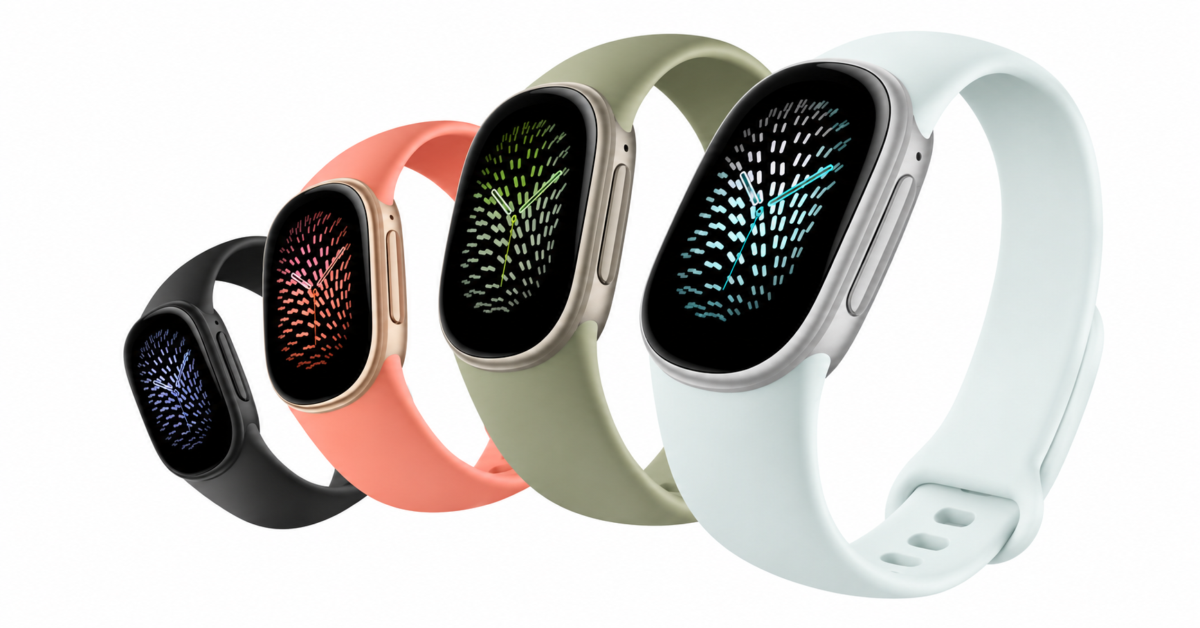
The aluminum tracker weighs 17.7 grams without its band and measures 11.58mm thick. Its 1.34-inch AMOLED screen supports an always-on display, while a mechanical side button provides a physical control for actions such as bringing up the workout pause screen. Google claims 46 percent more viewing area than previous trackers.
Battery life reaches up to seven days, according to Google, with a five-minute charge providing up to a day of use when power is low. A complete charge takes about 90 minutes. Actual endurance needs testing, particularly with different display settings and workout habits.
Built-in GPS lets users record outdoor routes without carrying a phone, and an altimeter tracks elevation changes. Google claims up to 40 percent better GPS accuracy than previous generations, while workout views provide information such as pace targets, heart rate zones, and splits.
One detail needs clarification, however. The supplied announcement describes more than 50 exercise modes and automatic recognition of up to 100 workouts, but its specification list gives 40-plus for both. Buyers should not have to reconcile conflicting numbers to figure out what a tracker supports.
Health features include an ECG app, continuous heart rate monitoring, SpO2, skin temperature tracking, sleep stage analysis, and heart rate variability metrics. Google also lists irregular rhythm notifications and high and low heart rate alerts, with availability and eligibility worth checking before purchase.
The more ambitious pitch involves Health Guardian and its monthly blood pressure and insulin resistance trends. In its Google Health update, Google says these tools will arrive for Fitbit Air and Edge users with a Premium subscription later this month. Reports require setup and sufficient wear time throughout the month.
Do not mistake that insulin resistance feature for blood glucose monitoring. Google explicitly says it is not intended for diabetes management, diabetes prescreening, or real-time glucose readings, and users should not rely on it to adjust medications or insulin levels.
Google Health Coach also requires Premium, adding personalized fitness plans and guidance to the experience. Purchases include three months of the subscription, but anyone buying Edge for those features should consider the ongoing cost.
Beyond fitness, Edge offers notifications, media controls, alarms, and timers, and Google advertises Maps. It works with most phones running Android 11 or newer or iOS 16.4 or newer, requires a Google Account and Google Health app, and carries 5 ATM and IP68 ratings.
Standard options include Obsidian, Fog, Olive, and Canyon bands paired with different aluminum finishes. Interchangeable accessories offer additional styles, while a Stephen Curry Special Edition costs $219.99.
For me, the unanswered question is how accessible those battery replacements will be. Google needs to explain the process and pricing, because a repairable design means more when owners can actually afford to repair it. That practical detail could do more to sell me on Fitbit Edge than the AI pitch.
Support independent tech journalism
NERDS.xyz is independently owned and operated. If you enjoy my coverage of Linux, AI, hardware, cybersecurity, and tech culture, consider supporting the site on Ko-fi.
Support NERDS.xyz