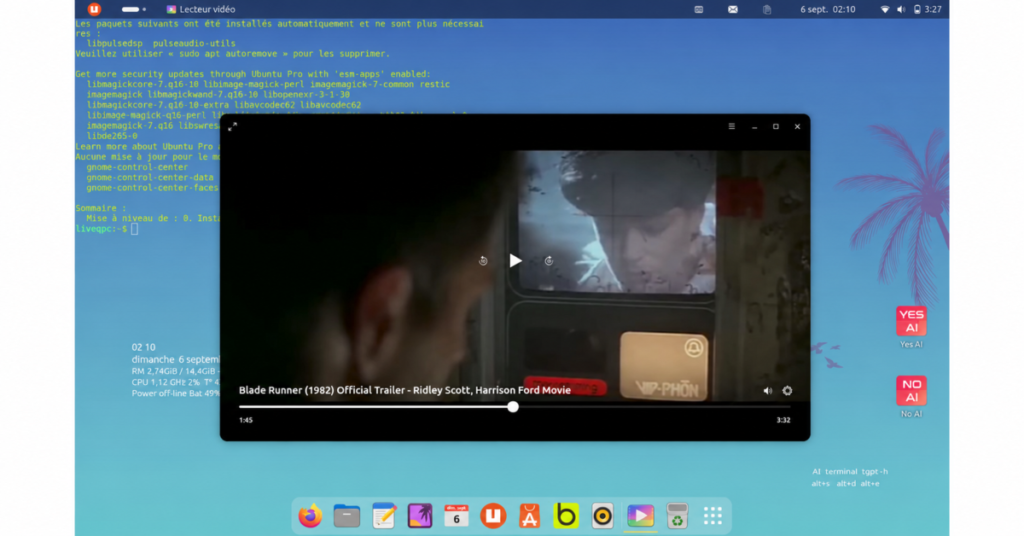
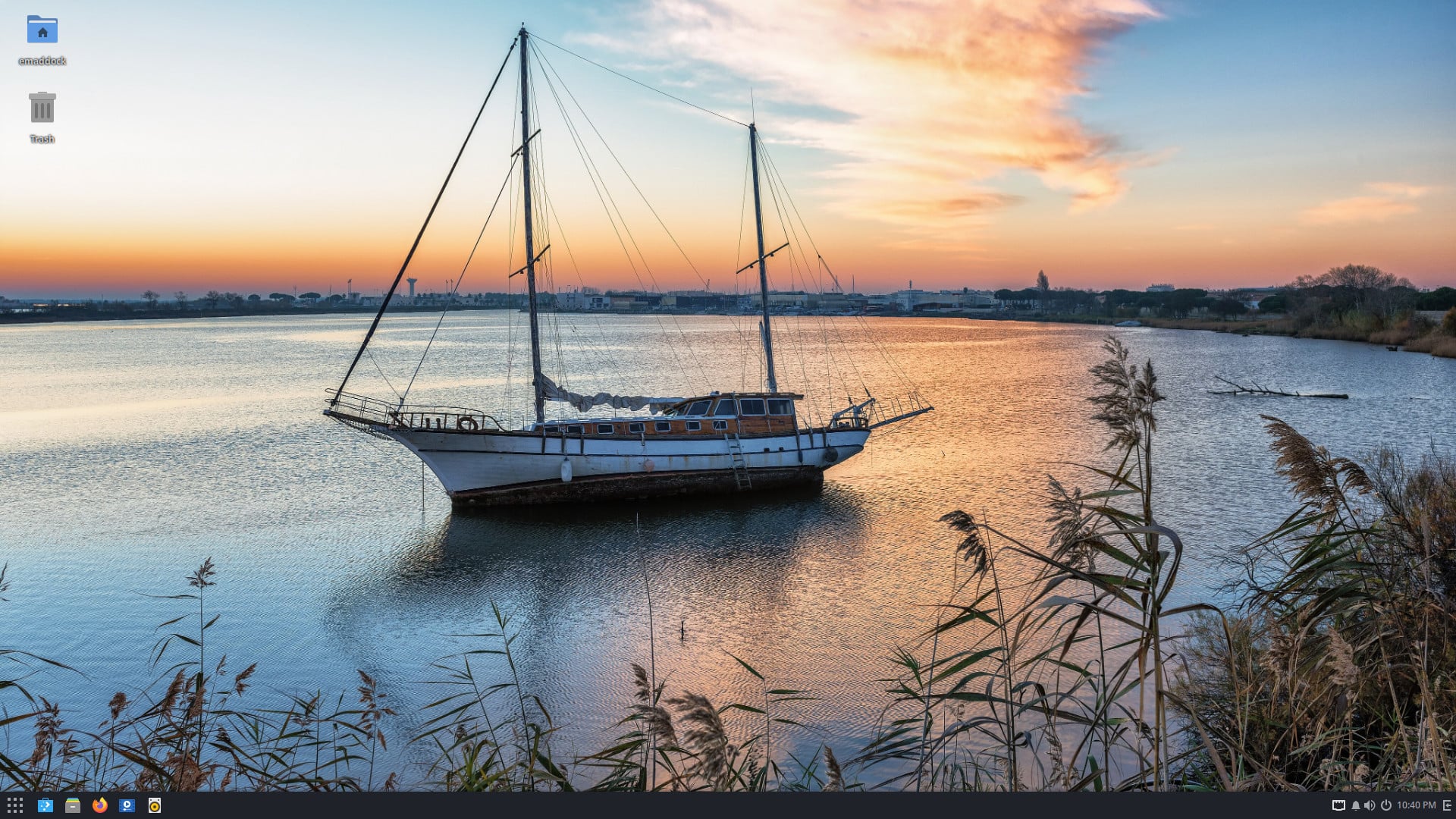
Solus is back with its first release of 2026, and if you were expecting fireworks, you might be a little underwhelmed. Solus 4.9 “Serenity” (download here) is not trying to wow you with flashy features or AI nonsense. Instead, it feels like a release focused on cleaning things up, fixing annoyances, and making the distro easier to live with day to day. Honestly, that is not a bad thing.
A lot of the work here happens behind the scenes. Solus is now using systemd preset files to manage which services start by default. That replaces the older method of linking services into target.wants directories, which could get messy and did not always report status correctly. It is the kind of change most users will never notice directly, but it should make the system behave more predictably. The project also switched its default admin group from sudo to wheel, which aligns better with how most Linux software expects things to work. Less patching, fewer headaches.
The installer experience got some real attention this time. Solus now ships GRUB 2.14 on legacy systems, and that matters because it brings support for Argon2 and proper LUKS2 encryption. Speaking of that, the distro now defaults to LUKS2 instead of the older LUKS1, which is both more modern and more secure. There is also better support for TPM backed unlocking, so encrypted systems can boot a bit more smoothly without constant password prompts.
Calamares has been updated to version 3.4.2, and Solus is making use of newer features there, including hybrid bootloader setups for legacy installs. That means fewer custom patches for the team to maintain, which is always a good sign. Another small but practical tweak is the EFI partition size. It has been bumped to 2GB, which sounds excessive until you remember how large firmware blobs, kernels, and NVIDIA packages have become.
Under the hood, Solus 4.9 ships with Linux kernel 6.18.21 and Mesa 26.0.4. The project says it is now sharing kernel patches and configuration with AerynOS, which should improve hardware support across the board. That could be a quiet win for users who just want things to work without digging through forums.
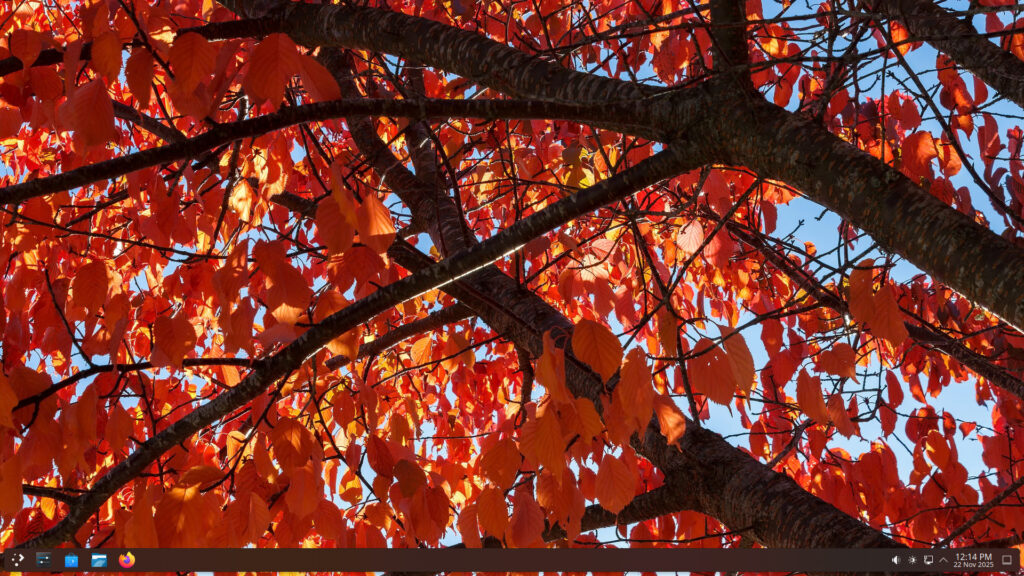
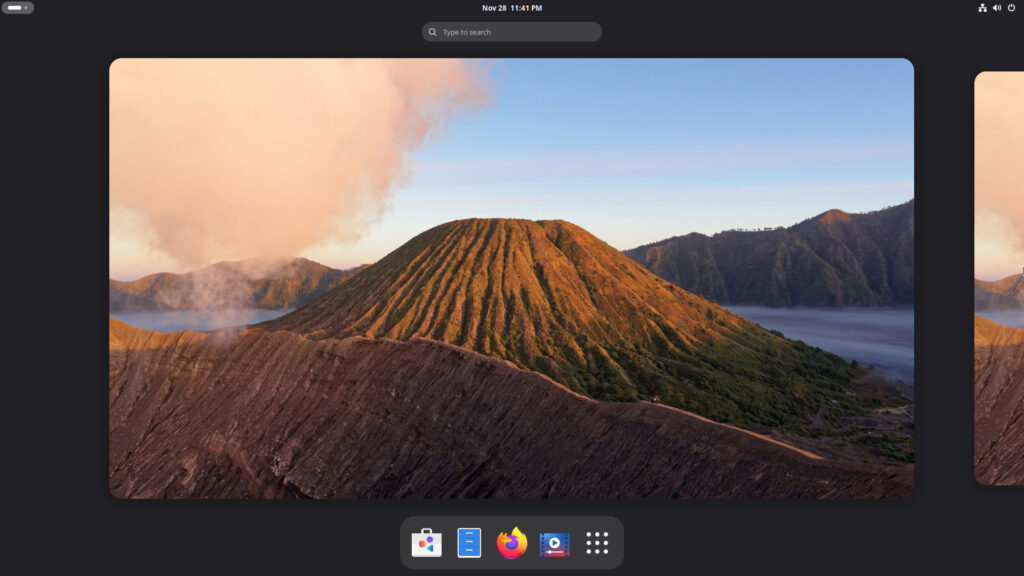
On the desktop side, nothing too dramatic has changed, but everything is up to date. Budgie users get version 10.9.4, GNOME comes in at 49.5, Plasma users get 6.6.4 with KDE Frameworks 6.24.0 and KDE Gear 25.12.3, and Xfce sticks with the latest 4.20 series. There are a few nice touches, like improved accessibility options in Plasma, screenshot text extraction, and even the ability to join WiFi networks using a QR code.
The more interesting story is what is coming next. Solus is making it pretty clear that X11 is on its way out. Budgie 10.10 and GNOME 50 will drop it entirely, and KDE Plasma is heading in the same direction later this year. If you are still clinging to X11, the clock is ticking. Wayland is not some future experiment anymore. It is becoming the default whether folks like it or not.
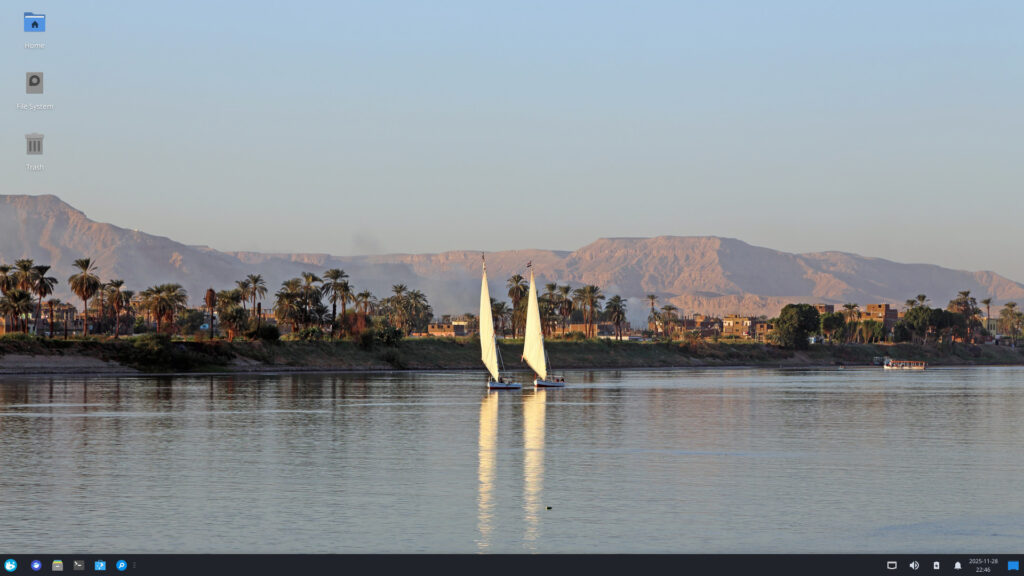
There are also smaller tweaks worth mentioning. Budgie now uses the Ptyxis terminal by default, which is a bit of a shift, but not a controversial one. Overall, this release feels like a lot of little decisions adding up to a cleaner system.
Solus 4.9 Serenity is not exciting in the traditional sense, but it might be exactly what the distro needs right now. It tightens things up, reduces technical debt, and sets the stage for bigger changes down the road. If you are already using Solus, this looks like an easy upgrade. If you are not, it is another reminder that this independent Linux project is still very much alive and quietly improving.
Support independent tech journalism
NERDS.xyz is independently owned and operated. If you enjoy my coverage of Linux, AI, hardware, cybersecurity, and tech culture, consider supporting the site on Ko-fi.
Support NERDS.xyz