Meta just turned your old Raspberry Pi into a Muse AI gadget
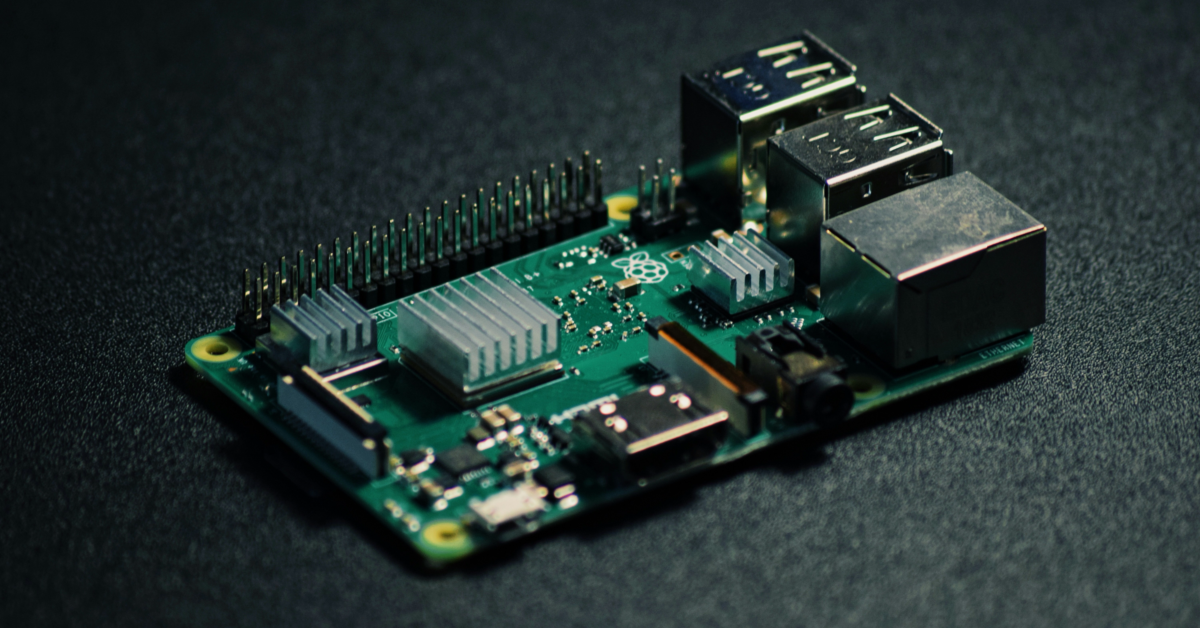
Meta’s open source Muse Gadget SDK lets hackers turn a Raspberry Pi or Linux computer into a physical AI gadget, complete with custom commands and hardware.

Meta’s open source Muse Gadget SDK lets hackers turn a Raspberry Pi or Linux computer into a physical AI gadget, complete with custom commands and hardware.

Apple is preparing tighter controls for Full Disk Access in macOS, warning that increasingly capable and autonomous AI agents could make the powerful permission substantially more dangerous.

Amazon says misinformation and outright lies are fueling opposition to data centers. Its response includes more than $1 billion in community spending and a lengthy defense of the infrastructure powering the AI boom.

Google’s AI-powered flu forecasting model finished first in a CDC evaluation, outperforming the agency’s own FluSight ensemble at predicting hospitalizations.

Google is putting Gemini 4 Argon to work on massive C and C++ migrations to Rust, including more than 800,000 lines associated with Fuchsia’s Zircon kernel.
OpenAI and Synopsys are developing GPT-Synopsys, an AI model that can operate EDA tools to help engineers design and optimize future chips.

Cyolo Live Risk Detection uses AI to monitor active OT remote sessions, flag suspicious or unsafe behavior, and alert teams in real time without taking autonomous action.

Trump wants the US executive branch to stop calling AI artificial intelligence and start calling it Super Intelligence, or SI. Despite the dramatic new name, the technology itself has not suddenly changed.
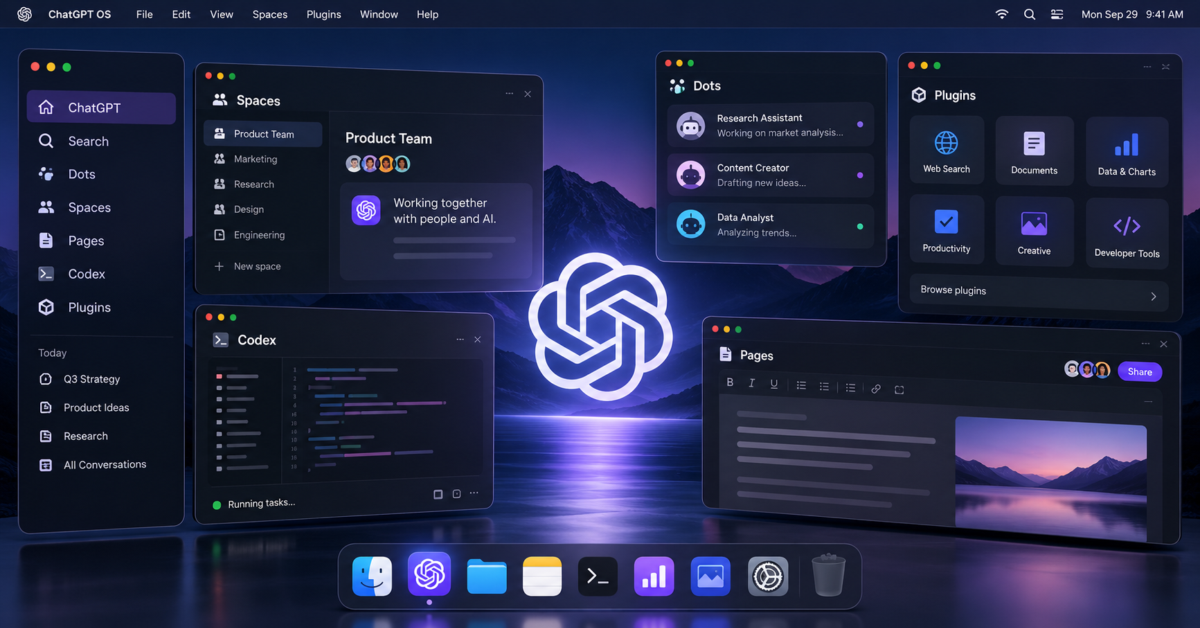
ChatGPT is not becoming a traditional operating system, but OpenAI is building something that increasingly behaves like an AI platform where apps, agents, documents, and people work together.
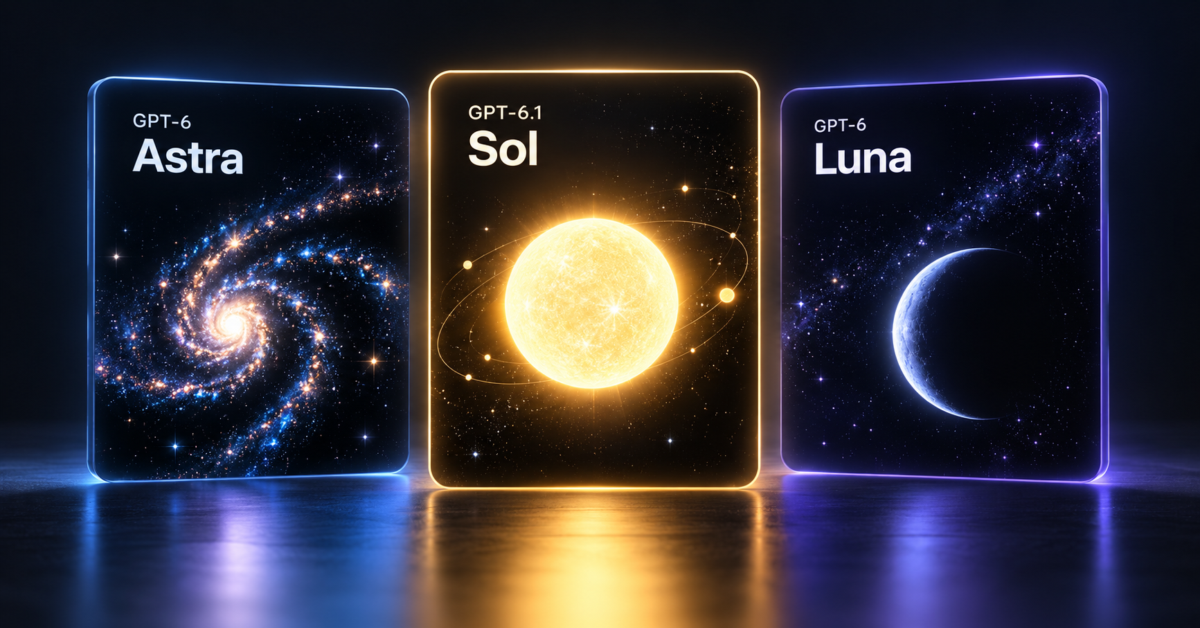
OpenAI GPT-6.1 Sol gets close to Astra performance at a fraction of the price. For heavy Work and Codex users, that efficiency could also mean getting more from their usage allowance.
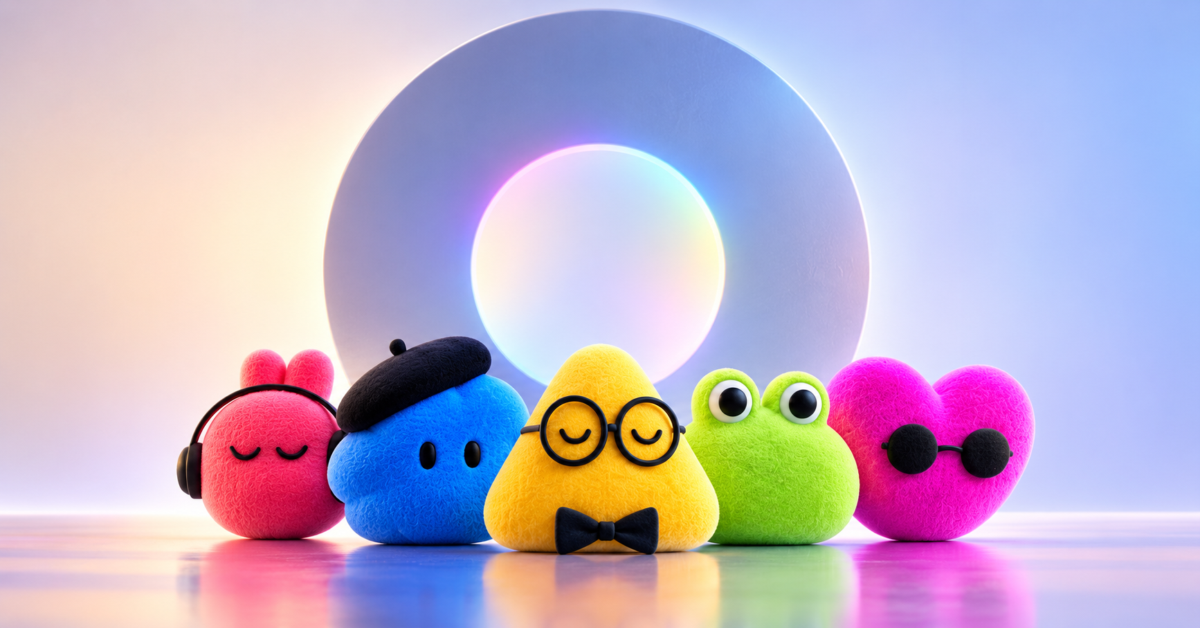
OpenAI Dots are cute, colorful AI agents built to keep working when you are doing something else. Behind their friendly appearance are cloud computers, thousands of app connections, and the ability to take action on your behalf.
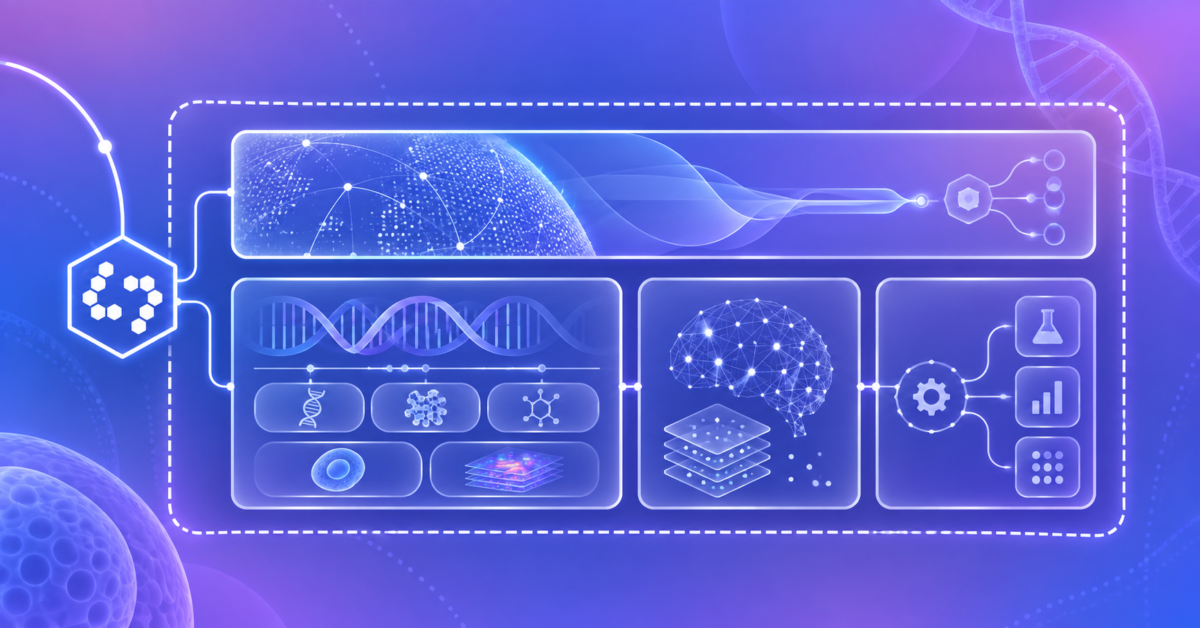
Microsoft Quine uses AI to help scientists narrow thousands of biological possibilities into experiments worth testing, including work involving pancreatic cancer.