
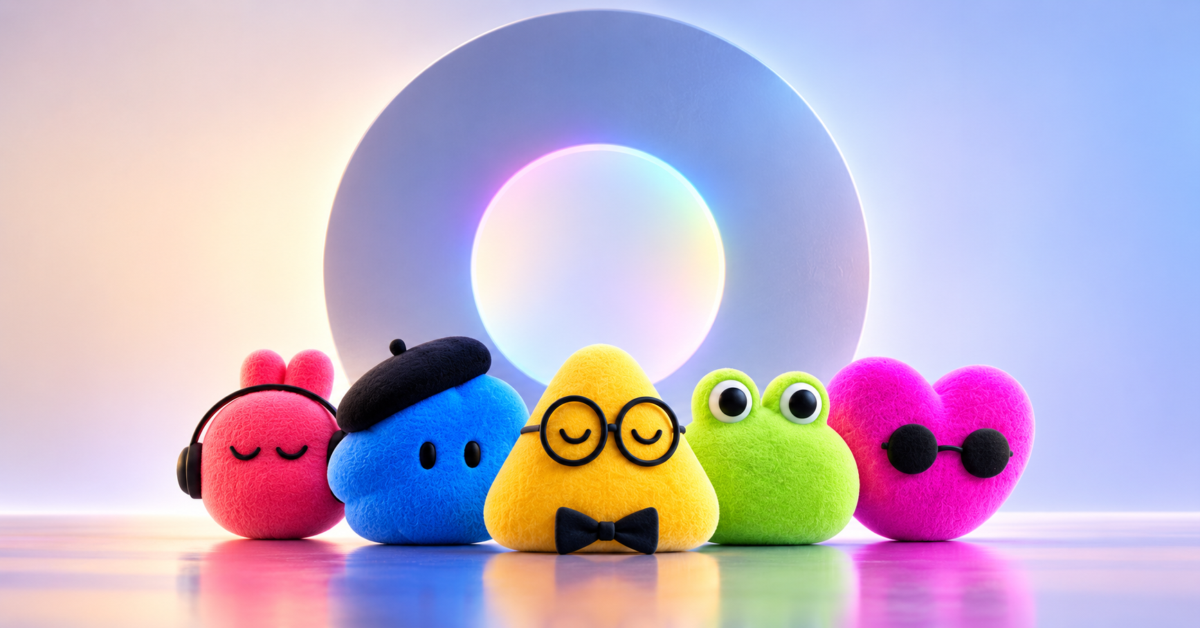
OpenAI has a new idea for what an AI assistant should be doing while you are busy with something else. Called Dots, these persistent AI agents can work toward goals around the clock, use their own cloud computers, and connect to thousands of apps.
The idea is considerably different from opening ChatGPT, asking a question, and waiting for an answer. According to OpenAI, you can give a dot a project or ongoing responsibility and let it handle parts of the work without directing every individual step.
Dots are powered by GPT-6 Astra, and each gets its own cloud computer and browser. OpenAI says they can connect to more than 4,000 apps through plugins, giving them access to tools and information needed to perform actual tasks rather than simply generate responses.
That does not mean you hand over your digital life and hope for the best. You choose which apps a dot can access, and OpenAI provides rules for deciding which actions it can perform independently, which require approval, and which are blocked.
When a dot is looking for ways to help in the background, OpenAI says that proactive research is restricted to read-only access. It cannot use that mode to send messages, modify content, or control your browser or computer.
For other work, Dots can do much more. OpenAI says a dot can use its cloud computer and browser to interact with websites, and you can even give it permission to connect to your laptop. You can inspect its computer and follow what it is doing through an activity view.
There is also something interesting about how OpenAI presents Dots. They are cute, colorful little characters rather than intimidating robots or faceless software agents, which makes the whole concept feel considerably less threatening.
That may be intentional. Giving an AI access to apps, websites, and potentially your computer can sound unsettling, but wrapping that capability in a friendly character makes it easier to think of a dot as a helpful little coworker. The cute appearance does not change what the technology can do, of course, so users should probably pay more attention to permissions than personality.
The examples help explain why OpenAI thinks people will want this. A developer could have a dot watch customer feedback, identify recurring problems, build and test smaller fixes, and bring completed pull requests back for review.
A scientist could have one react as new data arrives, rerun analyses, investigate unexpected results, and update figures. A content creator could have another process an interview transcript, find potential clips, prepare show notes, and draft social posts.
Perhaps the most relatable example has nothing to do with coding or scientific research. OpenAI says an early tester’s dot noticed that he had forgotten to invoice a publication, prepared the invoice, and sent it after receiving his approval.
That example gets at what makes Dots interesting. The AI did not need someone to specifically ask it to create that invoice. It recognized unfinished work from the available context, prepared what was needed, and left the consequential action to the person.
You do not have to constantly return to ChatGPT to communicate with one either. Dots can be reached through ChatGPT, Slack, and Microsoft Teams, and OpenAI says texting support is coming. They can contact you when they have progress to report, questions to ask, or decisions that require your input.
Of course, an AI with access to your accounts and the ability to perform actions deserves more scrutiny than a chatbot that simply produces text. OpenAI says Dots include safeguards against malicious instructions, can be stopped when monitoring systems detect a safety concern, and use an automated review system to determine when an action should require approval.
Some sensitive actions always stay with the human. Changing a password is one example, and OpenAI itself warns that Dots can still make mistakes and that consequential work should be reviewed.
Dots are rolling out to ChatGPT Pro and Business Premium customers in eligible markets, while Enterprise, Edu, and Healthcare customers can try a beta if their administrator enables it. The first dot is included with Pro and Business Premium at no additional cost, although deeper work comes with an allowance.
OpenAI also has bigger plans for the concept. Its DevDay 2026 announcements preview specialist Dots that businesses could assign specific responsibilities, complete with their own identities, credentials, and access to company systems.
The longer-term idea goes further. OpenAI says it eventually envisions teams of Dots working together on a person’s behalf, rather than everyone having just one general-purpose assistant.
We have heard plenty of promises about AI agents doing our work for us, and reality has not always matched the demos. Dots are worth watching because OpenAI is attempting to turn that promise into an actual ChatGPT product with persistent context, computers, apps, permissions, and human approvals.
If it works, ChatGPT could become something you manage rather than something you constantly prompt. Those friendly little Dots may look harmless, but OpenAI is giving them a surprisingly serious job.
Support independent tech journalism
NERDS.xyz is independently owned and operated. If you enjoy my coverage of Linux, AI, hardware, cybersecurity, and tech culture, consider supporting the site on Ko-fi.
Support NERDS.xyz