PorteuX 2.8 replaces aufs and gives Xfce an OpenGL upgrade
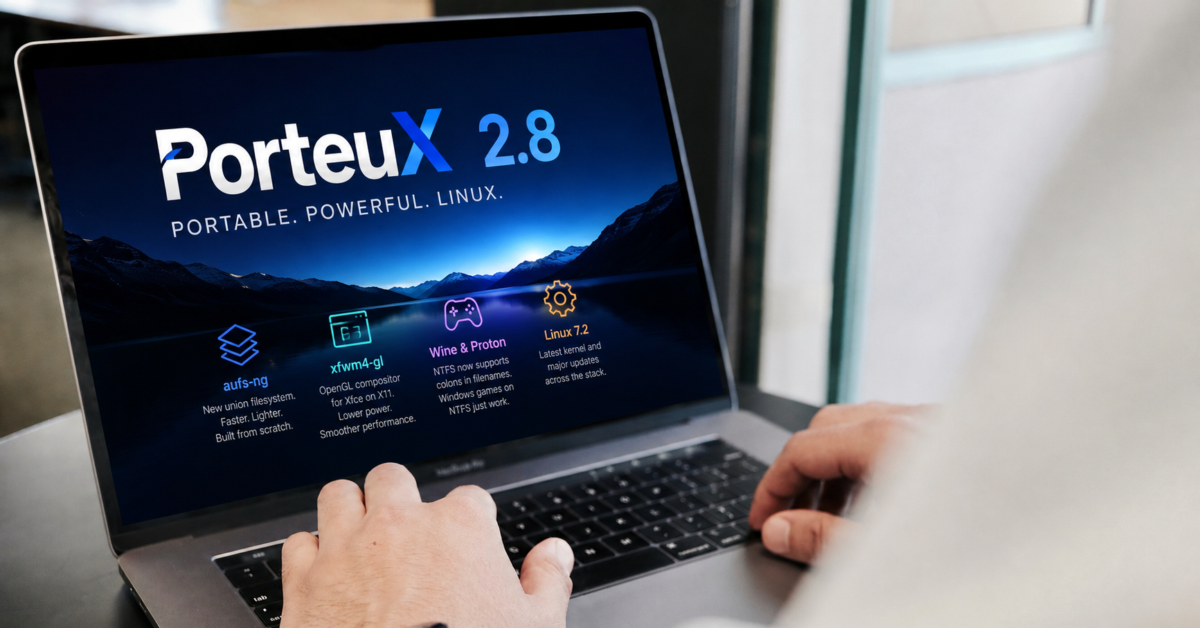
PorteuX 2.8 introduces its homegrown aufs-ng union filesystem and xfwm4-gl OpenGL compositor, while adding Wine and Proton support on NTFS and upgrading to Linux kernel 7.2.

PorteuX 2.8 introduces its homegrown aufs-ng union filesystem and xfwm4-gl OpenGL compositor, while adding Wine and Proton support on NTFS and upgrading to Linux kernel 7.2.

DHH has launched the Omacom Foundation with $8 million from Michael Dell, Jack Dorsey, Tobi Lütke, Patrick Collison, and other tech heavyweights to support Omarchy, Hyprland, and his push to take desktop Linux mainstream.

PINE64 has some bad news for Linux hardware fans. DRAM and eMMC shortages are putting new production on hold, while PineNote and PineTab2 supplies could run out within months.
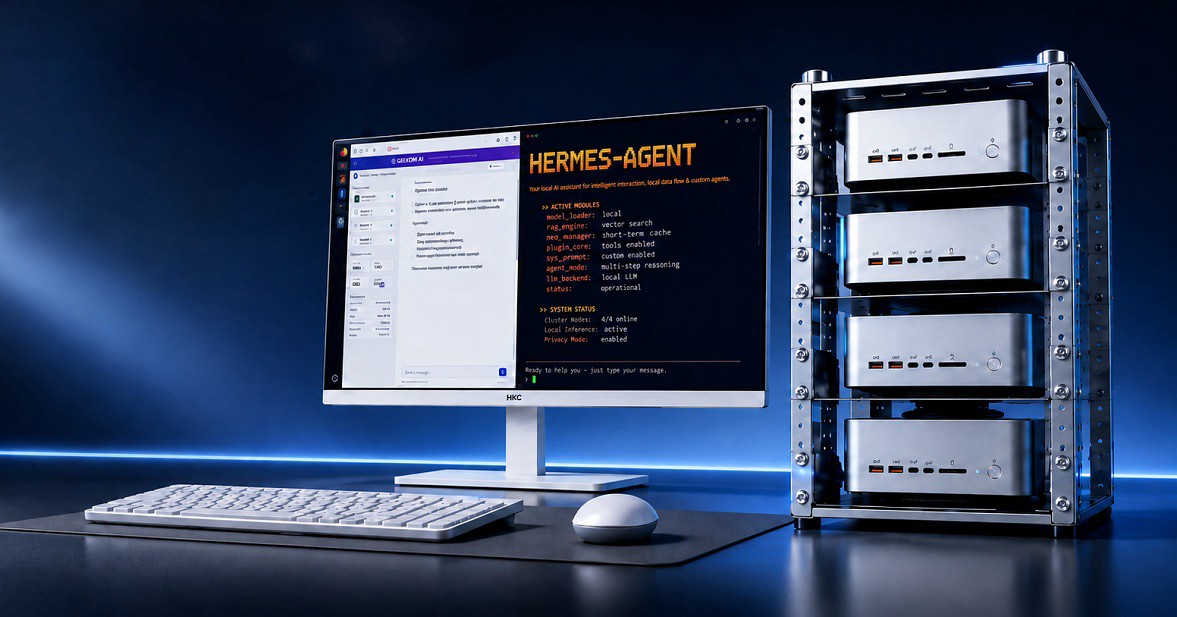
GEEKOM has connected four Ubuntu Linux A9 Mega Mini PCs into a local AI cluster powered by AMD Ryzen AI Max+ 395 processors and USB4.

Linux 7.2 is officially available. Linus Torvalds released the new kernel despite a busier-than-desired final week that included several late DRM reversals and fixes throughout the kernel.
TUXEDO OS is leaving Ubuntu behind and moving to Debian Testing as its permanent foundation. The next generation of the Linux distro is now available as an open beta.

GNOME 51 beta is now available, giving Linux users an early look at improvements spanning Shell, Files, Settings, Maps, GTK, Mutter, security, accessibility, and more.

Microsoft reportedly increased Windows OEM licensing fees by as much as 10 percent. With PC costs already climbing, Linux has never looked more attractive.
Kubuntu Focus is committing more than $100,000 to a three-year KDE Plasma 6.6 LTS initiative focused on stability, security updates, and making Linux a more practical alternative to proprietary operating systems.
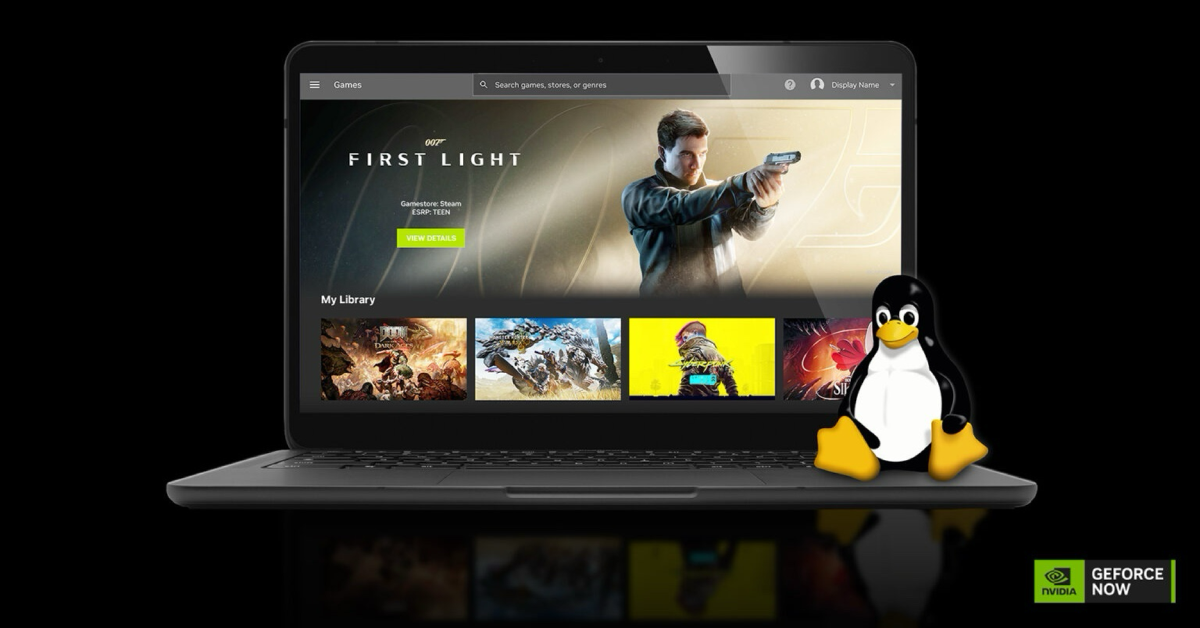
NVIDIA GeForce NOW has officially left beta on Linux. The update adds a new Flatpak repository, cloud gaming performance improvements, and nine games.
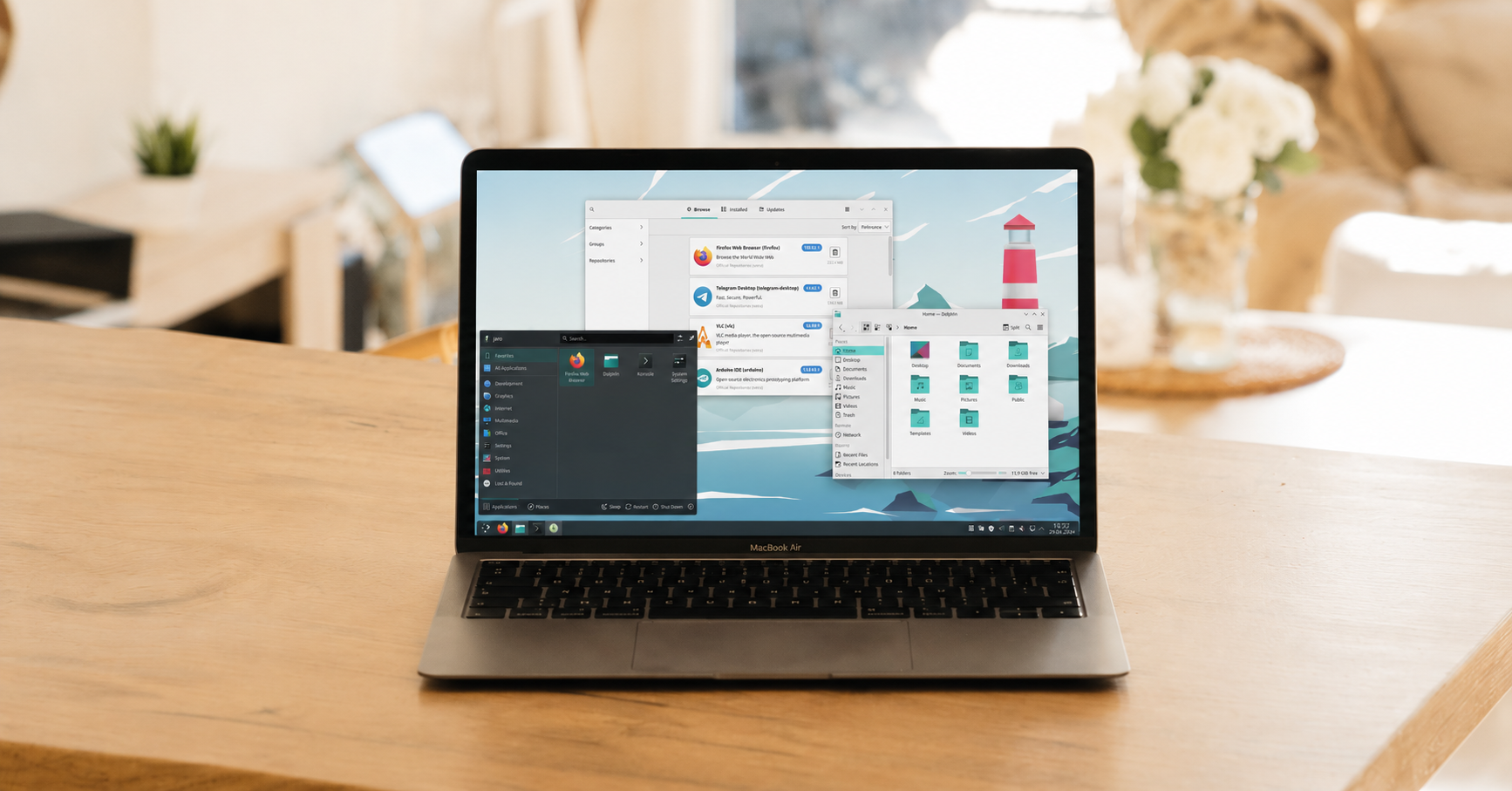
Manjaro 26.1 Bian-May is here with GNOME 50, KDE Plasma 6.7, Xfce 4.20, Linux kernel 7.1, and several desktop and hardware improvements.
OpenAI is finally giving Linux users an official ChatGPT desktop app, with preview support for Ubuntu, Debian, Fedora, x64, and ARM64 systems.