AMD Instinct MI355X GPUs are suddenly everywhere and Zyphra wants in on the AI frenzy
Zyphra is betting big on AMD with 15 megawatts of Instinct MI355X GPU capacity as AI companies keep searching for alternatives to NVIDIA.

Zyphra is betting big on AMD with 15 megawatts of Instinct MI355X GPU capacity as AI companies keep searching for alternatives to NVIDIA.

NVIDIA and Corning are teaming up to massively expand U.S. optical connectivity manufacturing for AI infrastructure, including three new factories and more than 3,000 jobs.

Meta is going all-in on AWS Graviton chips, deploying tens of millions of cores to handle agentic AI workloads and rethink how large-scale AI infrastructure actually runs.

Google says Nest saved billions in energy, but its Gemini AI push raises a bigger question about how much power is being used elsewhere.

Mozilla’s MZLA Technologies has introduced Thunderbolt, an open-source AI client designed to give organizations more control over how AI runs inside their infrastructure. The project focuses on self-hosting, flexible model choices, and enterprise integrations through the Haystack AI framework.

Google and the Kubernetes community have launched a new AI Conformance program designed to ensure Kubernetes clusters can properly support machine learning workloads, GPUs, and large scale inference.

Anthropic is expanding its partnership with Google Cloud, securing access to massive TPU computing capacity to power its next generation of Claude AI models and enterprise applications.

IBM and Arm say they are exploring ways to run Arm workloads on IBM Z and LinuxONE systems. The collaboration could give enterprises more flexibility as AI and modern workloads continue to grow.

SK hynix and Sandisk are working to standardize HBF memory under the Open Compute Project, positioning it as a new layer between HBM and SSDs for AI inference workloads. The companies say HBF can improve scalability, power efficiency, and total cost of ownership as AI shifts from training to large-scale deployment.

Deepgram has tripled its default concurrency limits across Voice Agent API, Streaming STT, and TTS services. The infrastructure upgrade may signal that voice agents are shifting from pilot projects to production environments where reliability and scale matter more than demos.
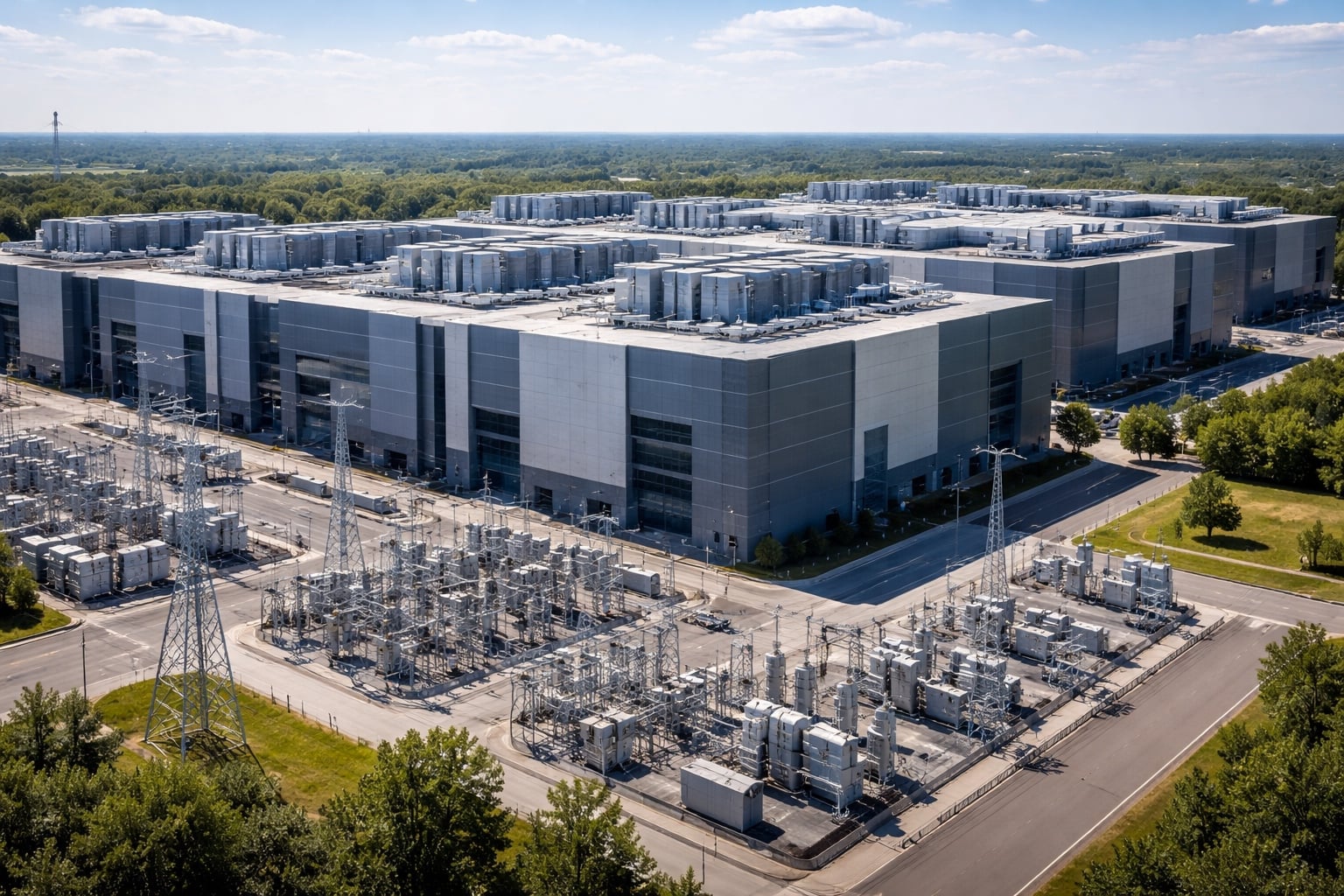
New York lawmakers are pushing a bill that would freeze new large data centers for years while the state studies their impact. Supporters call it cautious. Critics say it sends investment, jobs, and innovation straight out of New York.

Lenovo’s CIO Playbook 2026 reveals strong AI ROI, growing hybrid AI adoption, and a looming readiness gap as Agentic AI becomes the next enterprise priority.