Canonical gives Ubuntu 27.04 a dinosaur name Linux fans can sink their teeth into

Canonical names Ubuntu 27.04 Tenacious T-Rex, finally giving Linux fans a cool dinosaur codename ahead of its expected April 2027 release.

Canonical names Ubuntu 27.04 Tenacious T-Rex, finally giving Linux fans a cool dinosaur codename ahead of its expected April 2027 release.
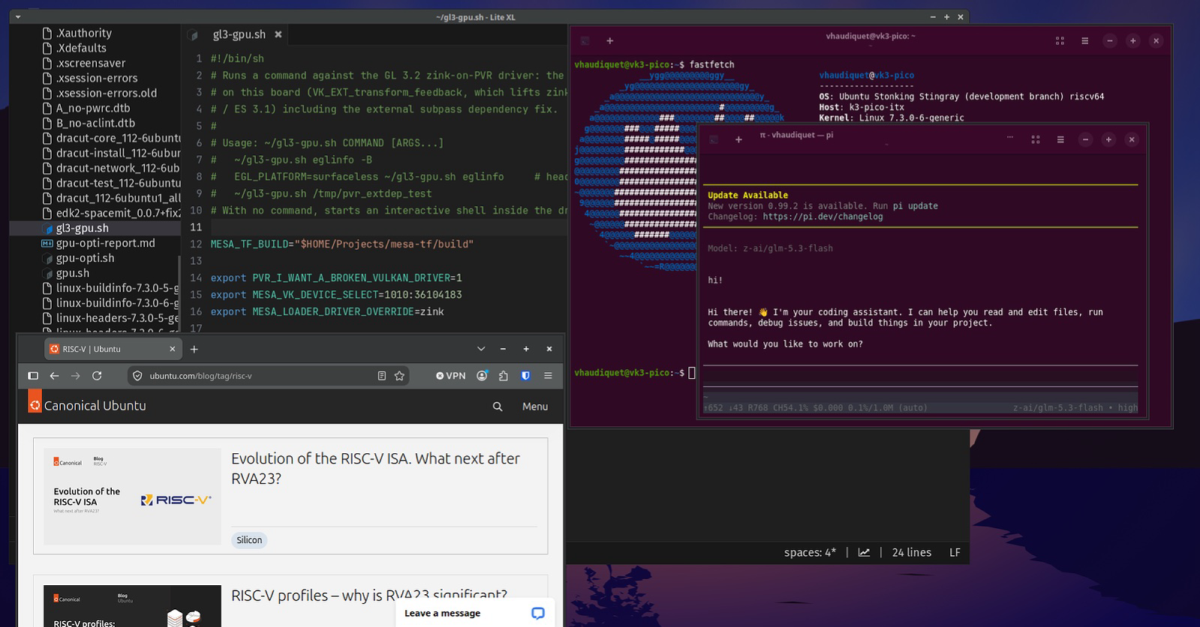
Ubuntu 26.10 brings desktop images to RISC-V, with official SpacemiT K3 support expected October 15. Experimental builds are available now.
Kagi is walking away from Orion for Linux and Windows. It plans to release the source code, but the browsers need new maintainers to have a future.

Ubuntu 26.10 Stonking Stingray has entered beta with a bigger embrace of Rust, updated developer tools, expanded RISC-V support, and beta images for Ubuntu and its official flavors.
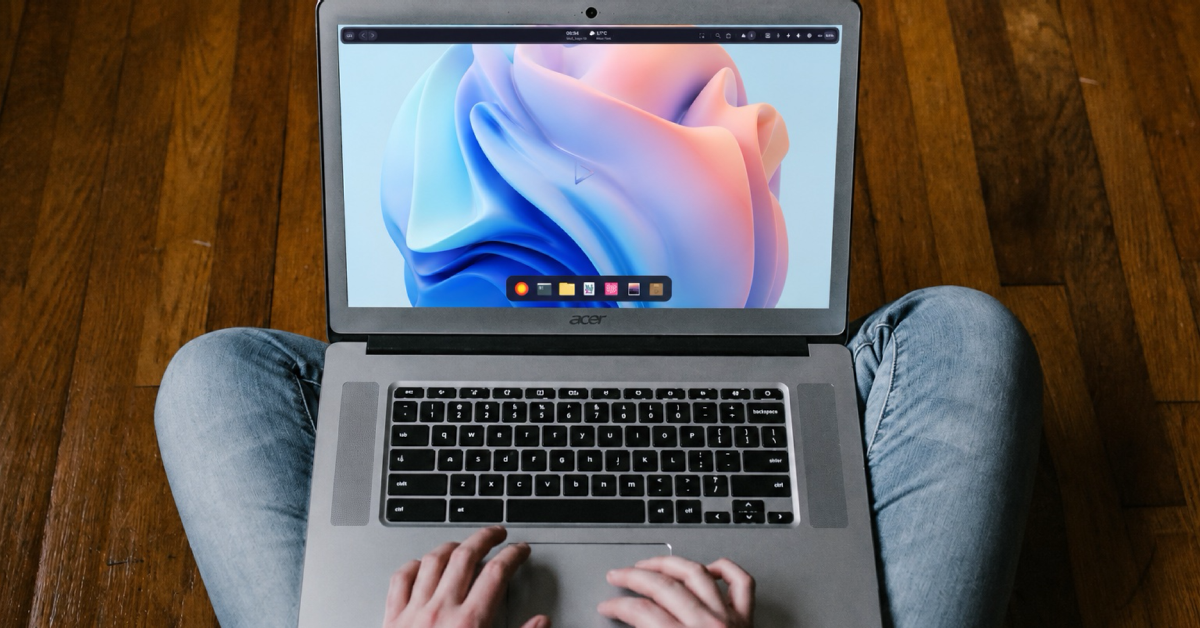
Nitrux 7.0.0 is here with an ambitious new Workspace Environment, first-party desktop components, Linux kernel 7.2.6, and a more opinionated approach to the Linux desktop.

OpenMandriva ROME 26.09 is finally here with Linux kernel 7.2, a huge collection of local AI tools, better NVIDIA support, Snap compatibility, and plenty of performance-focused changes.
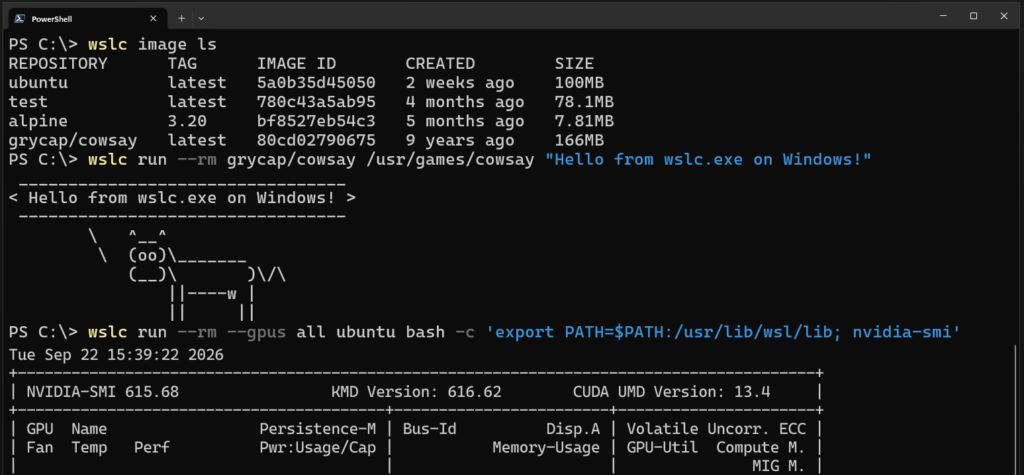
Microsoft is bringing Linux containers directly into Windows 11 with WSL Containers, giving developers a built-in way to build and run containers without relying entirely on third-party tools.
AI tools are helping researchers uncover Linux vulnerabilities at a faster pace. Canonical is responding by changing Ubuntu’s kernel release strategy to get security fixes into users’ hands sooner.
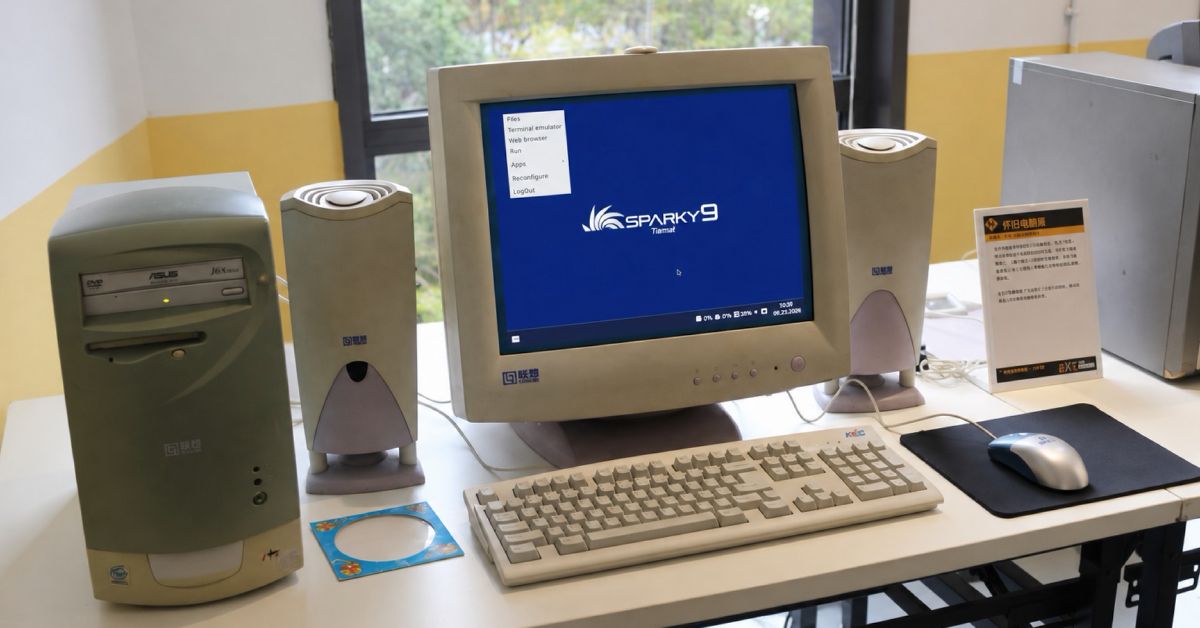
SparkyLinux 2026.09 is here with Linux 7.2, fresh Debian Forky packages, and a new Labwc edition that brings a lightweight desktop experience to Wayland.

Linux 25.3 Infinity is now available with Debian 13.7 updates, refreshed installation media, updated MX tools, and a newer Liquorix 7.2.6 kernel option for Xfce AHS users.
AlmaLinux 9.9 Beta is available with GCC 16, Node.js 26, PHP 8.4, updated virtualization tools, and a major fapolicyd upgrade administrators should test.
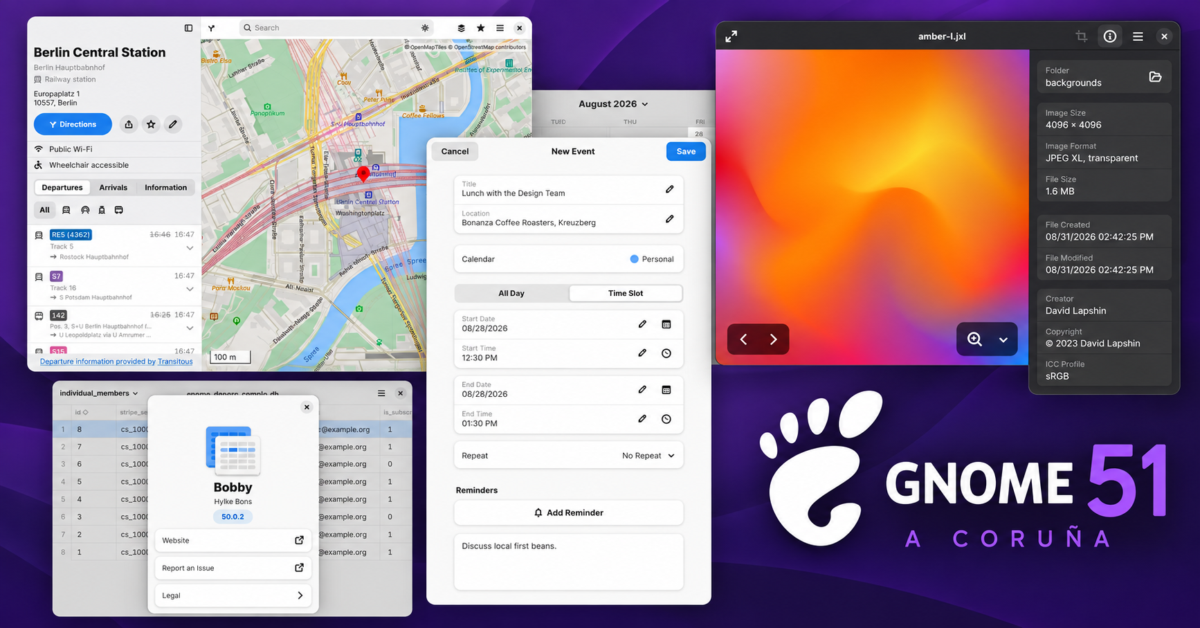
GNOME 51 is here with offline maps, smoother performance, better accessibility, visual document signatures, and plenty of practical Linux desktop improvements.