Ask.com shuts down after nearly 30 years, taking Jeeves with it
Ask.com just shut down after almost 30 years, and with it goes Jeeves, the butler who once made searching the web feel almost human.
StarTech.com USB4 dock finally fixes Mac dual monitor headaches with driverless support across Mac, Windows, and Linux
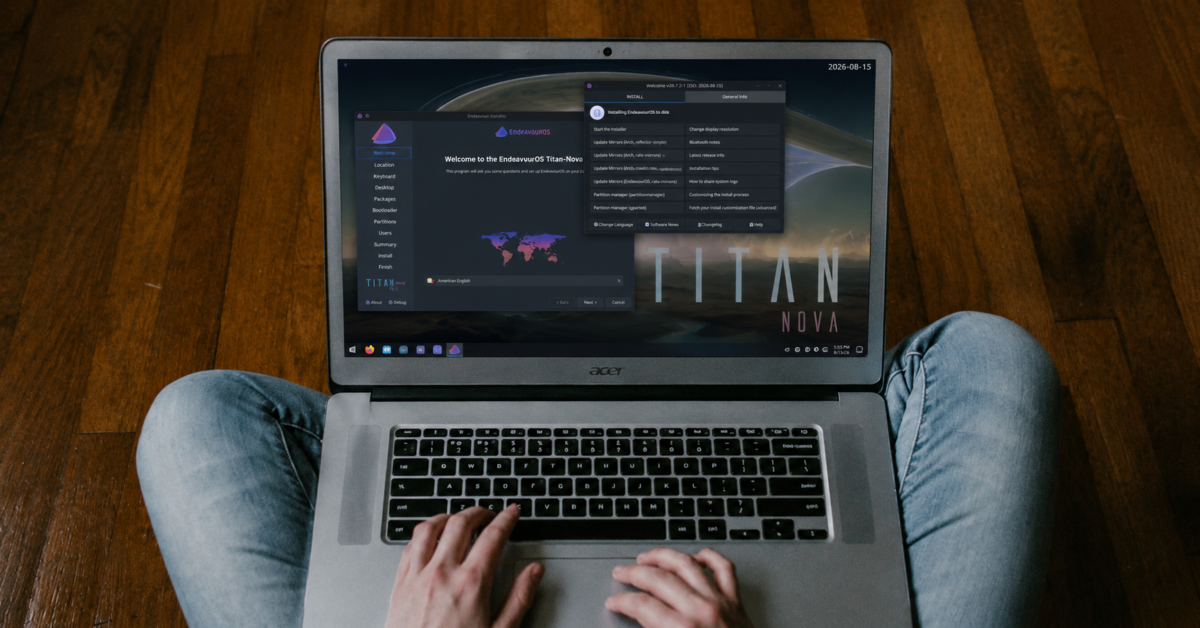
Fedora Linux 44 is here with GNOME 50, Plasma 6.6, newer developer tools, and updated Asahi Remix support for Apple Silicon Macs.
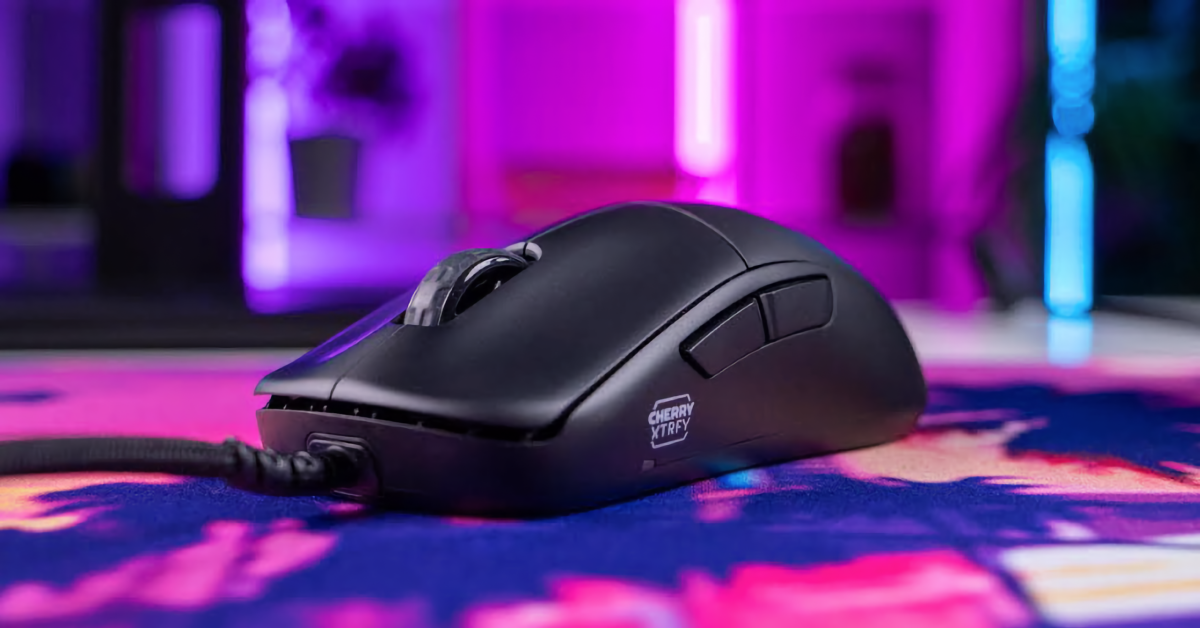
Logitech G512 X keyboard brings analog switches, 8K performance, and deep customization for gamers who want full control.
The Satechi ChargeView 140W Desktop Charger adds something most chargers lack. A real time display showing exactly how much power your devices are pulling while charging.
Solus 4.9 Serenity has arrived with Linux kernel 6.18, Mesa 26, installer improvements, LUKS2 encryption, and updated desktop environments across the board.
OWC Express 4M2 Ultra is a Thunderbolt 5 NVMe enclosure built for DIY RAID setups, pushing speeds past 6600MB per second.
Zorin OS 18.1 focuses on helping Windows users transition to Linux by detecting Windows installers and recommending native Linux alternatives automatically.
Plugable has introduced the USBC-10IN1E, a compact 10-in-1 USB-C hub that combines 140W Power Delivery, HDMI 2.1 with up to 8K output, and 2.5Gb Ethernet. Designed for hybrid workers and creators, it delivers docking station level connectivity in a portable hub.
Linux Kernel 7.0 is officially out, with Linus Torvalds describing another release packed with small fixes across networking, drivers, tooling, and memory handling. He also floated an interesting theory: AI tools may be helping uncover more strange bugs than ever before.
deepin 25.1 has officially arrived with a jump to Linux kernel 6.18, new AI capabilities, desktop refinements, and dozens of stability fixes. The visually stunning Linux distribution continues evolving while raising familiar questions about its Chinese roots.
IBM says artificial intelligence is moving toward infrastructure status and argues that open source development may be the safest way to build and secure it.