Apple researchers use AI to simplify protein design
Apple researchers developed SimpleDesign an AI system that generates protein sequences and 3D structures together and could eventually help scientists design new drugs and useful proteins.
AI experts have a name for the probability that artificial intelligence ends catastrophically: P doom. The estimates are frightening but the numbers may tell us as much about uncertainty as they do about AI.
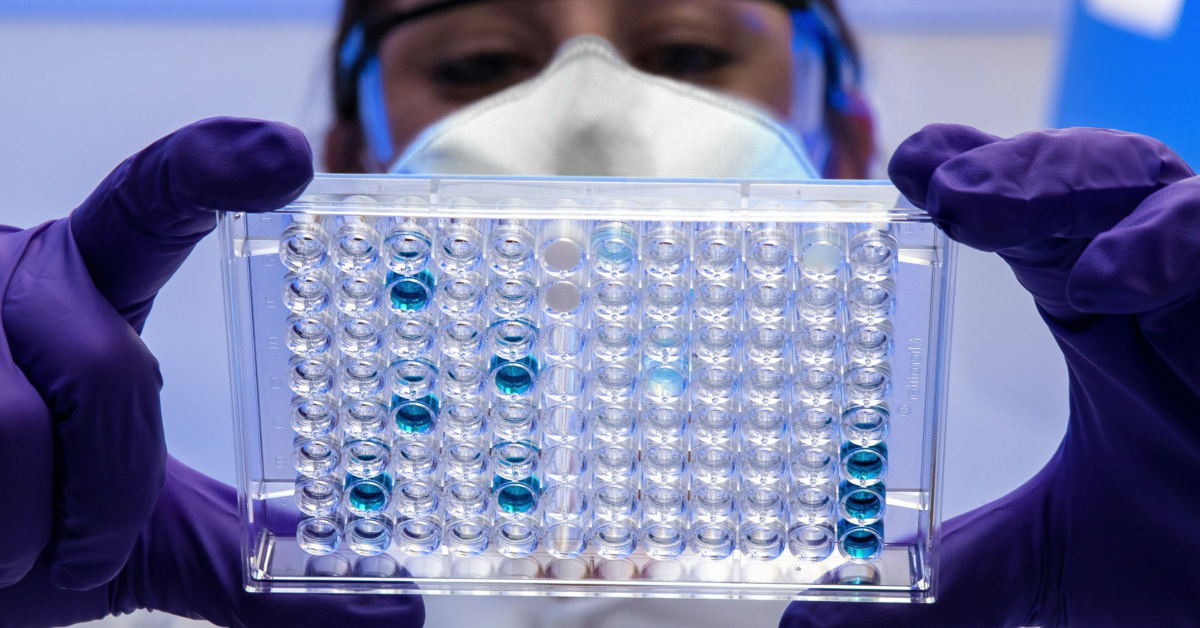
Forget killer robots. Anthropic says it identified scientists using Claude for research that could potentially support biological weapons development, offering a frightening look at how AI could become dangerous without ever turning against humanity.
AI may make employees more productive, but workers increasingly fear overreliance on the technology could weaken critical thinking, writing, creativity, and independent judgment.
Apple using AI to help perfect the iPhone Duo hinge should excite me. Instead, it has me wondering whether the days of marveling at purely human engineering are coming to an end.
President Donald Trump says American communities rejecting data centers risk becoming “backwards and poor,” arguing the facilities bring jobs, lower taxes, and economic prosperity.
Debian developers have rejected proposals to ban artificial intelligence from the project, choosing a responsible-use policy that allows generative AI while keeping humans accountable for their contributions.
AI is accelerating software attacks while security teams struggle to patch vulnerabilities. New Contrast Security research shows just how wide that gap has become.
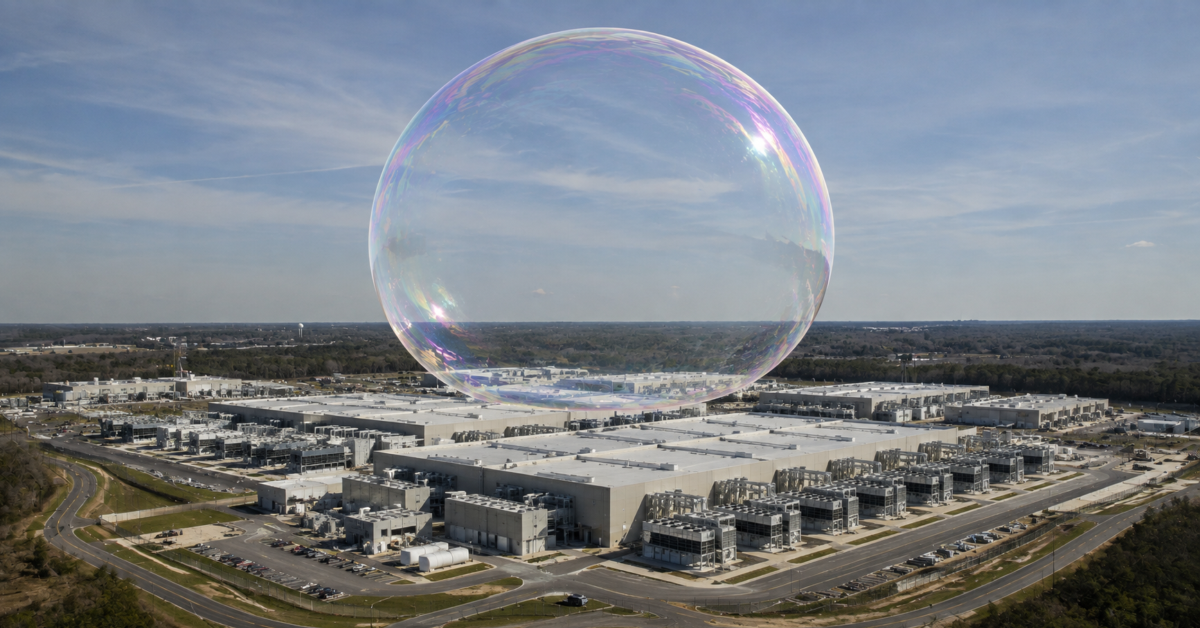
Big Tech is expected to spend nearly $700 billion in 2026 as the AI infrastructure boom accelerates. HTX Research says AI technology may still be early, but spending and valuations are already showing warning signs.
Google is putting AI to work in the skies with Operation Blue Skies, a UK-backed trial designed to help thousands of flights avoid creating climate-warming contrails.
Lenovo delivered record quarterly revenue of $26.9 billion as AI-related sales surged 60 percent. Infrastructure revenue nearly doubled, but Lenovo also reported a $609 million net loss attributable to shareholders.
OpenAI says its upcoming Astra model may have reached a critical cybersecurity capability level. I am glad the company is focused on safety, but the repeated warnings about its own creations are getting tiring.