Before buying Bitcoin many people now ask AI instead of Google

A new study suggests many first-time Bitcoin buyers are turning to AI instead of Google, and the answers they receive may determine which companies win their trust.

A new study suggests many first-time Bitcoin buyers are turning to AI instead of Google, and the answers they receive may determine which companies win their trust.

Microsoft is investing $2.5 billion and embedding 6,000 engineers inside customer organizations as it bets that successful AI adoption requires people, not just models.

IBM has unveiled what it says is the world’s first sub-1 nanometer chip technology, powered by a new 3D nanostack architecture. The breakthrough could extend semiconductor scaling for another decade while delivering major gains in performance and energy efficiency.

OpenAI has unveiled Jalapeño, its first custom AI chip developed with Broadcom, signaling a push toward greater control over the hardware powering ChatGPT and future AI services.
A new GitLab survey suggests AI coding tools are boosting productivity, but many organizations are struggling to track, govern, and maintain the code those tools generate.

IBM has joined OpenAI’s Daybreak Cyber Partner Program and launched a new AI-powered security service designed to identify software vulnerabilities before attackers can exploit them.

OpenAI’s new LifeSciBench benchmark was supposed to measure how useful AI can be in scientific research. Instead, it also highlights just how far today’s most advanced models still have to go before they can be trusted with real science.
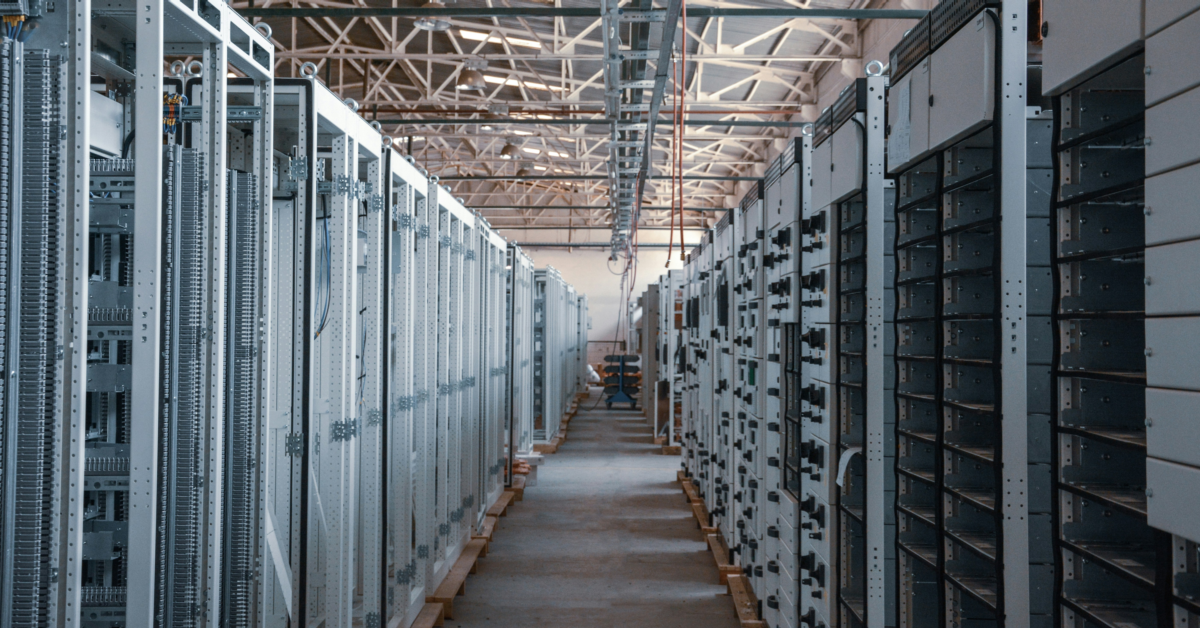
KKR is making a massive bet on the future of artificial intelligence. The investment giant has launched Helix Digital Infrastructure with more than $10 billion in committed capital, backed by NVIDIA, Vistra, and the Kuwait Investment Authority. Led by former AWS CEO Adam Selipsky, the new company aims to build the data centers, power infrastructure, and connectivity needed to fuel the next phase of AI expansion.

A new Skillsoft report claims companies are deploying AI tools faster than employees can realistically adapt. While most workers already use AI at work, only a small percentage say they actually feel prepared to use the technology effectively, revealing a major disconnect between leadership expectations and employee confidence.
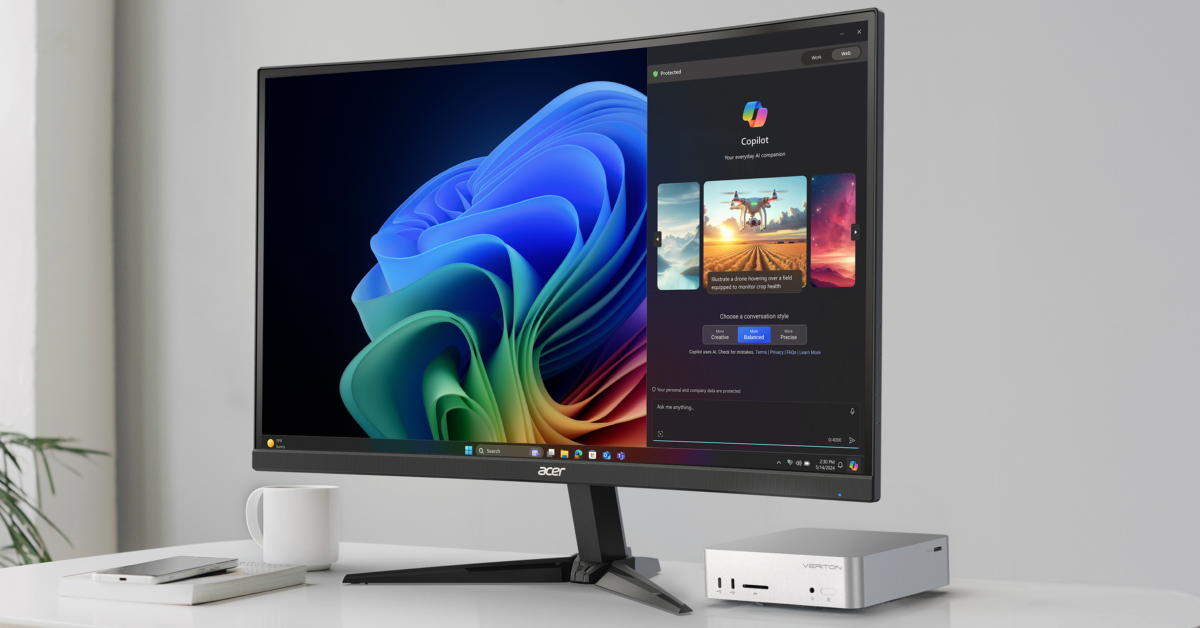
Acer introduced a tiny AI workstation powered by AMD Ryzen AI Max+ processors that the company says can handle massive AI models locally.
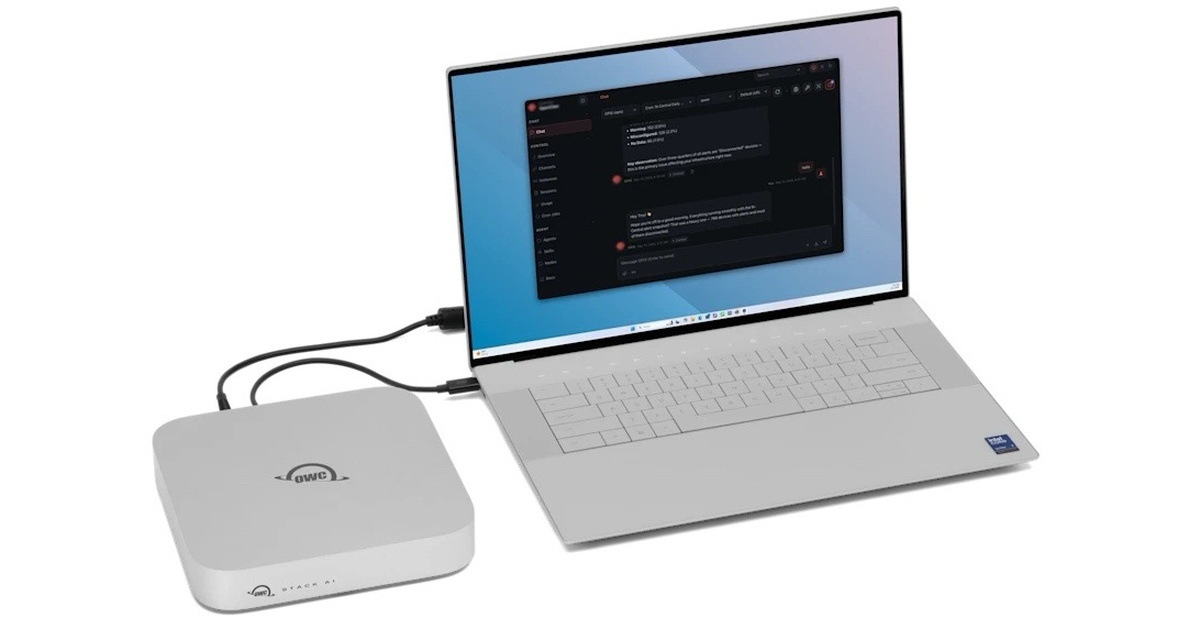
OWC Stack AI aims to help Windows and Linux users run larger AI models locally while reducing cloud AI costs and privacy concerns.

Googlebook is Google’s new AI-focused laptop platform that combines Android, ChromeOS, and Gemini into one heavily connected experience.