Visa wants to put an AI financial adviser in your banking app

Visa is launching an AI financial assistant that banks can add to their apps, giving customers personalized spending insights, conversational answers, and direct account controls.

AI adoption is climbing among small businesses, but a new Thryv survey reveals a troubling shift as 46 percent say they would choose software over hiring a person.
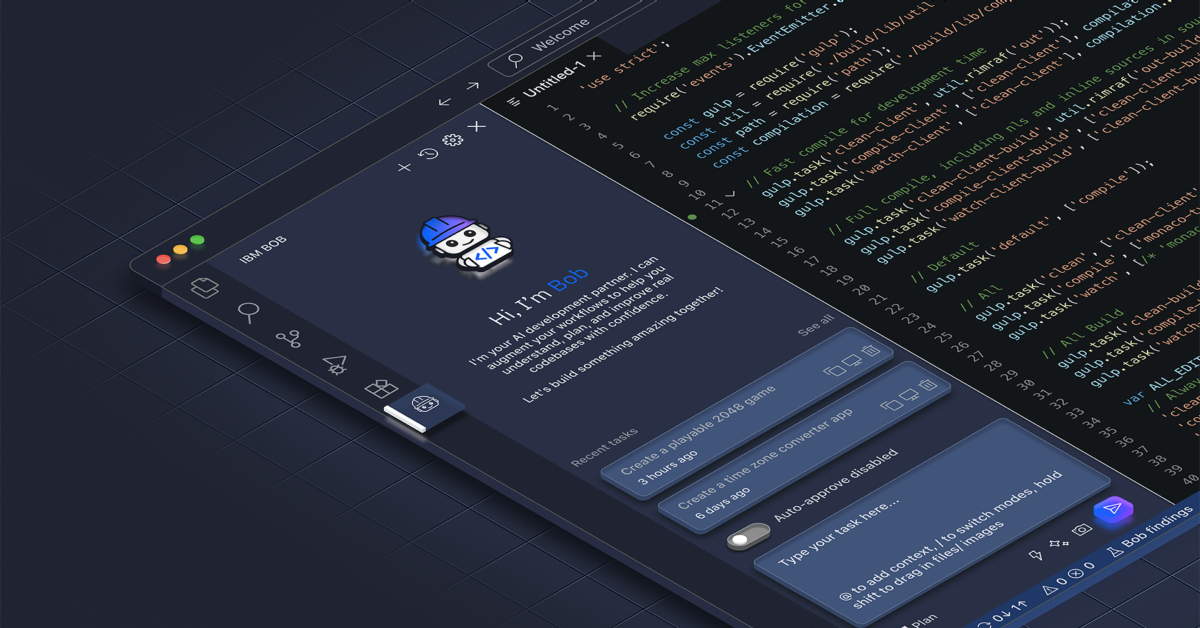
IBM says the biggest challenge in AI-powered software development is no longer generating code. Instead, the company argues that reviewing and validating AI-generated code has become the real bottleneck, prompting new multi-agent capabilities and modernization tools for its Bob platform.
A new study suggests many first-time Bitcoin buyers are turning to AI instead of Google, and the answers they receive may determine which companies win their trust.
Microsoft is investing $2.5 billion and embedding 6,000 engineers inside customer organizations as it bets that successful AI adoption requires people, not just models.
IBM has unveiled what it says is the world’s first sub-1 nanometer chip technology, powered by a new 3D nanostack architecture. The breakthrough could extend semiconductor scaling for another decade while delivering major gains in performance and energy efficiency.
OpenAI has unveiled Jalapeño, its first custom AI chip developed with Broadcom, signaling a push toward greater control over the hardware powering ChatGPT and future AI services.
A new GitLab survey suggests AI coding tools are boosting productivity, but many organizations are struggling to track, govern, and maintain the code those tools generate.