Google introduces Gemini 2.5 Computer Use model to automate web and mobile interfaces

Google has launched the Gemini 2.5 Computer Use model, giving AI agents the ability to navigate and interact with user interfaces in real time.
Google has launched the Gemini 2.5 Computer Use model, giving AI agents the ability to navigate and interact with user interfaces in real time.

Google has rolled out a brighter gradient “G” logo to represent its AI era, but critics may view it as little more than a cosmetic update.
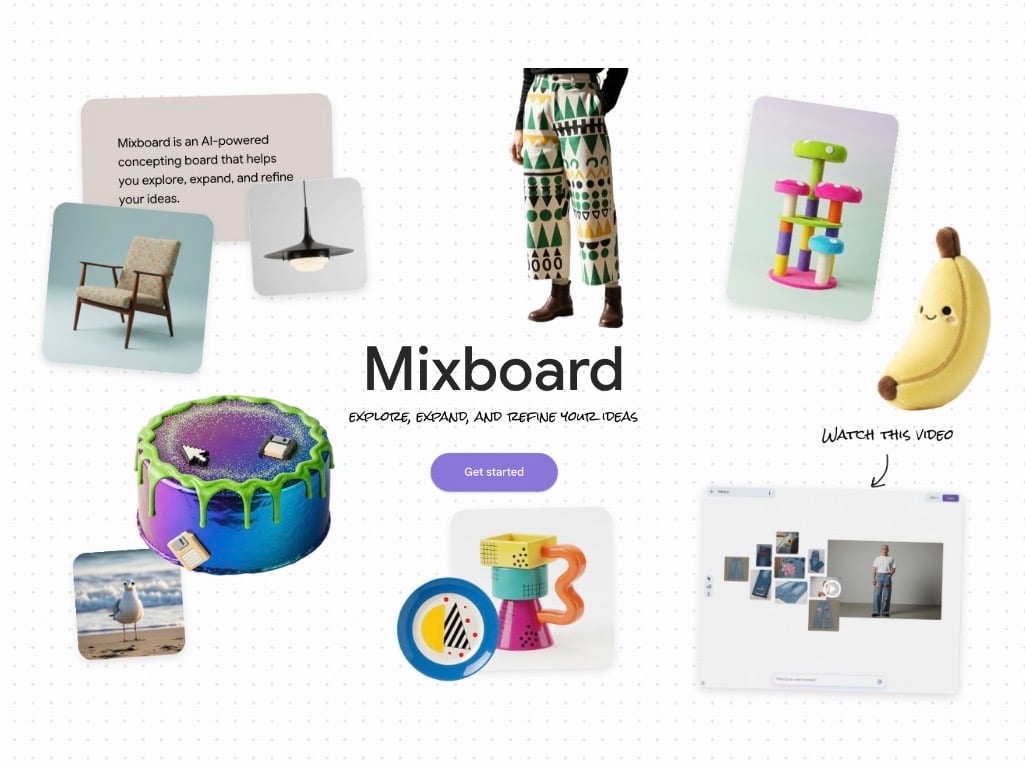
Google Labs has introduced Mixboard, an AI-powered concept board for brainstorming with text and images. Available now in beta.
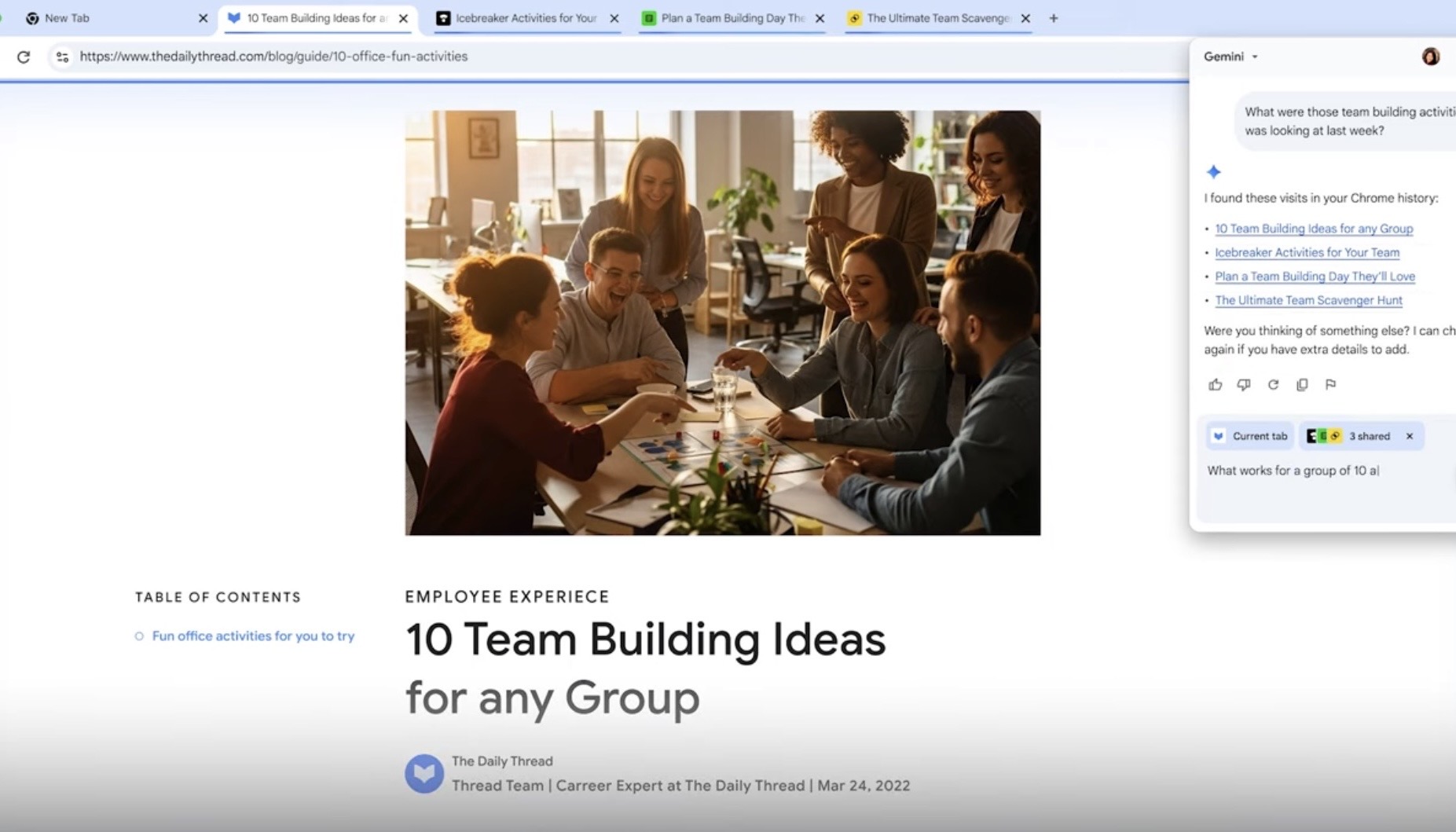
Chrome is entering its AI era with Gemini assistance, smarter omnibox search, scam protection, and several major new features rolling out now.
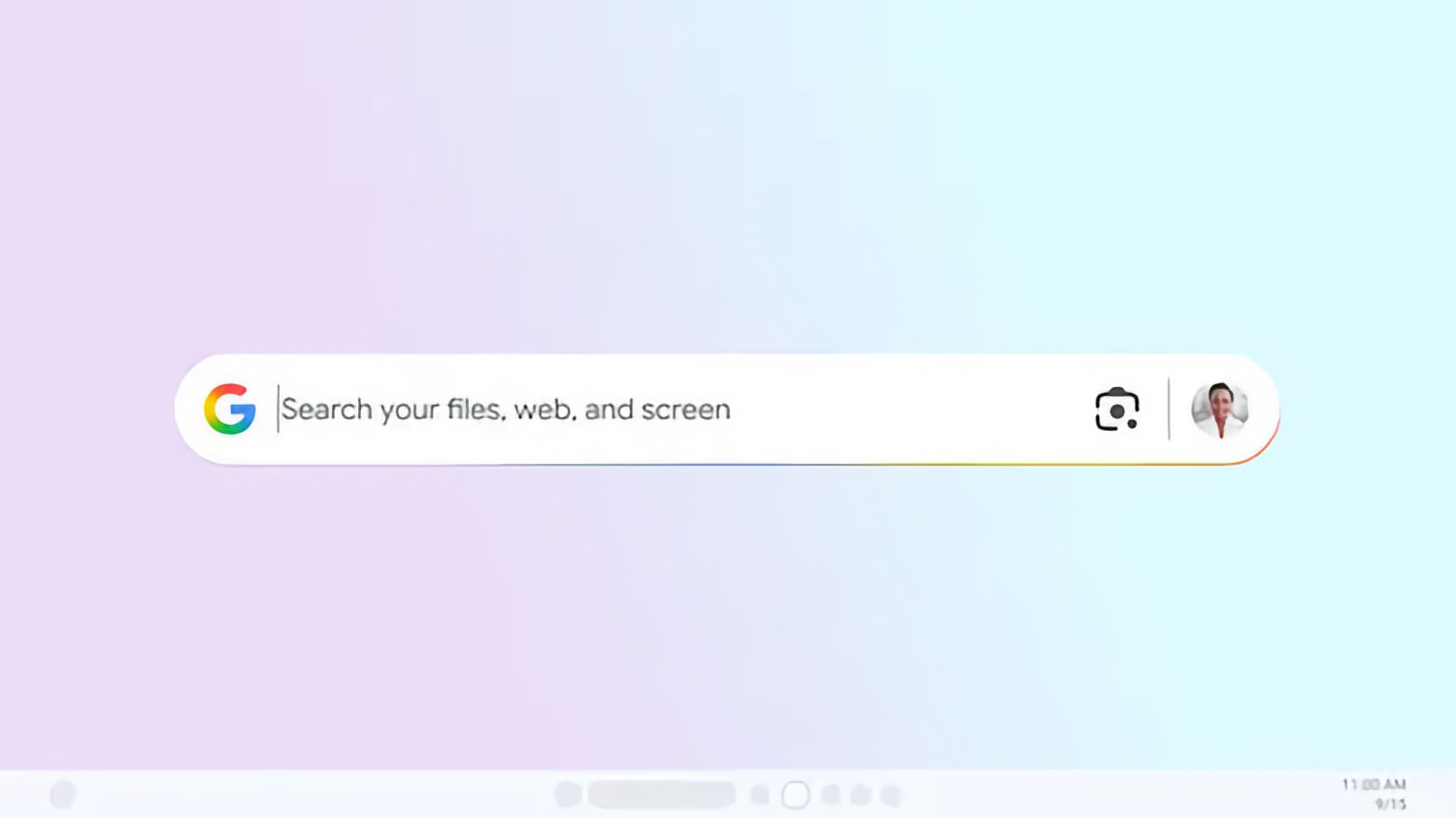
Google has launched an experimental app for Windows in Labs, giving users instant search across files, apps, Google Drive, and the web with Lens and AI features built in.

Google is dismissing rumors of a Gmail security warning, insisting Gmail’s protections remain strong and effective.
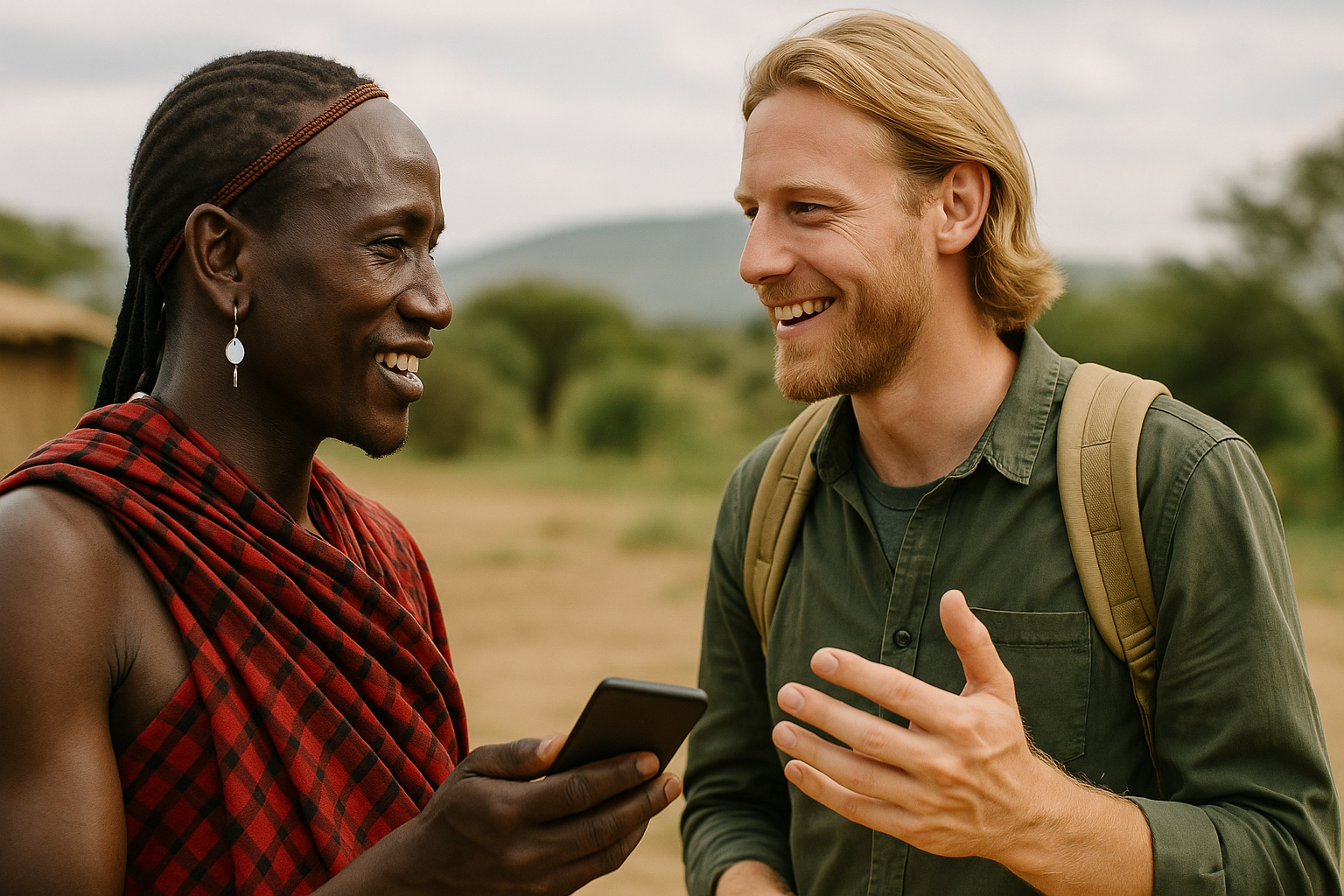
Google Translate is expanding with AI-powered live conversations and personalized practice sessions, turning the app into both a translator and a language tutor.
Nano-Banana went viral this week, but it turns out it was secretly owned by Google. The tool is now part of Gemini’s upgraded image editing features.
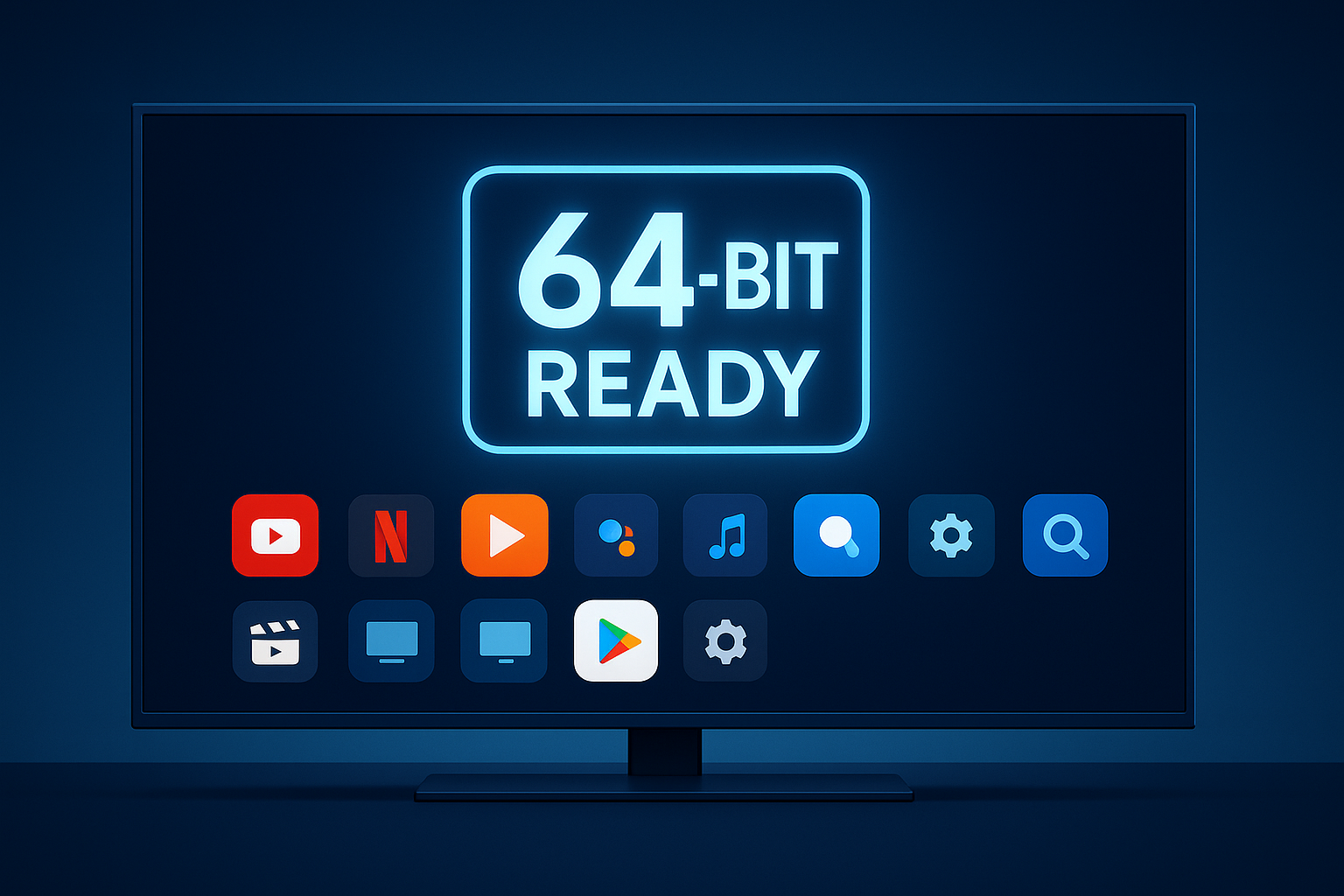
Google TV and Android TV apps with native code must support 64-bit by August 2026, a move aimed at boosting performance and preparing for future devices.
Google is rolling out Gemini for Home to replace Assistant on smart speakers and displays. The AI looks powerful, but Google plans to lock some features behind a paid tier.
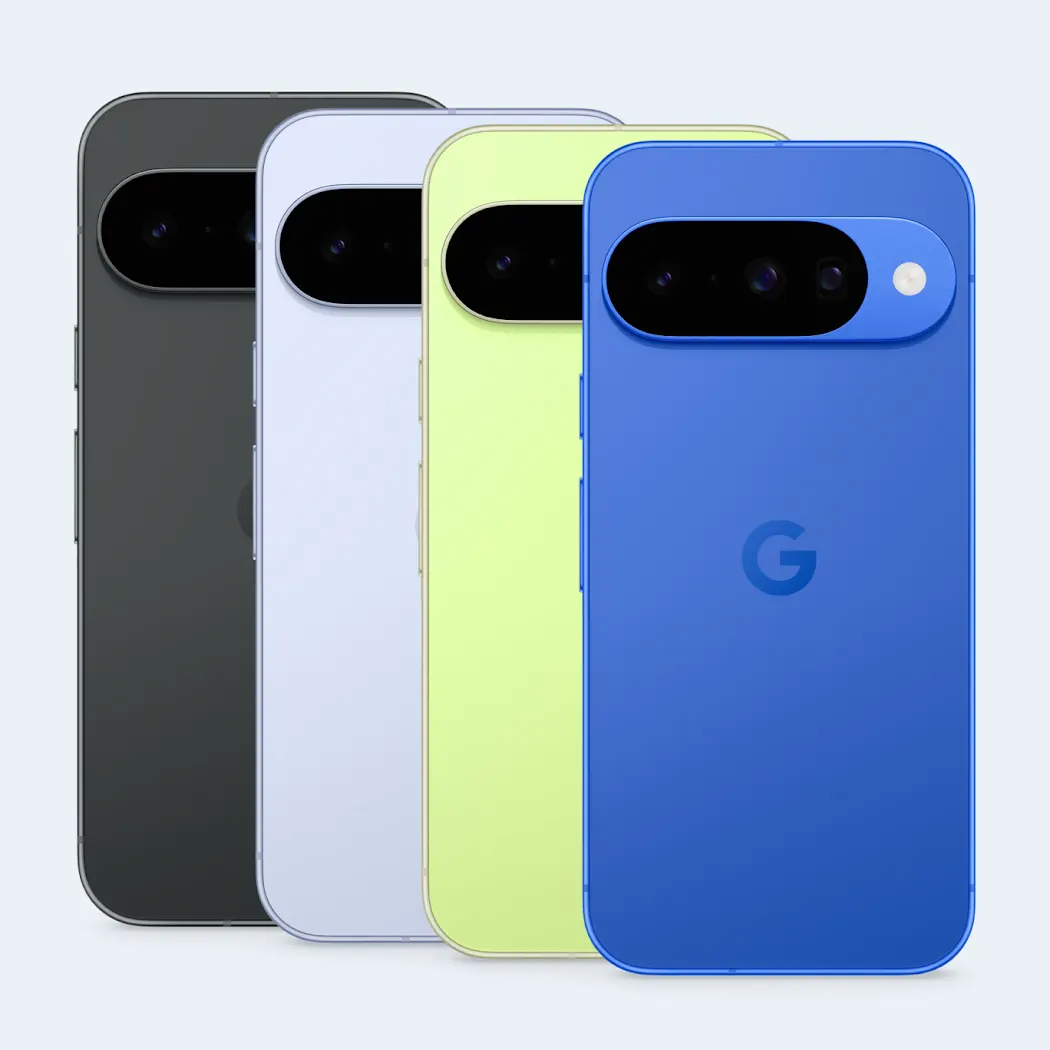
The Pixel 10 lineup packs Tensor G5, AI features, and powerful cameras, from the $799 Pixel 10 to the $1,799 Pixel 10 Pro Fold. Impressive specs, but it is still not an iPhone.
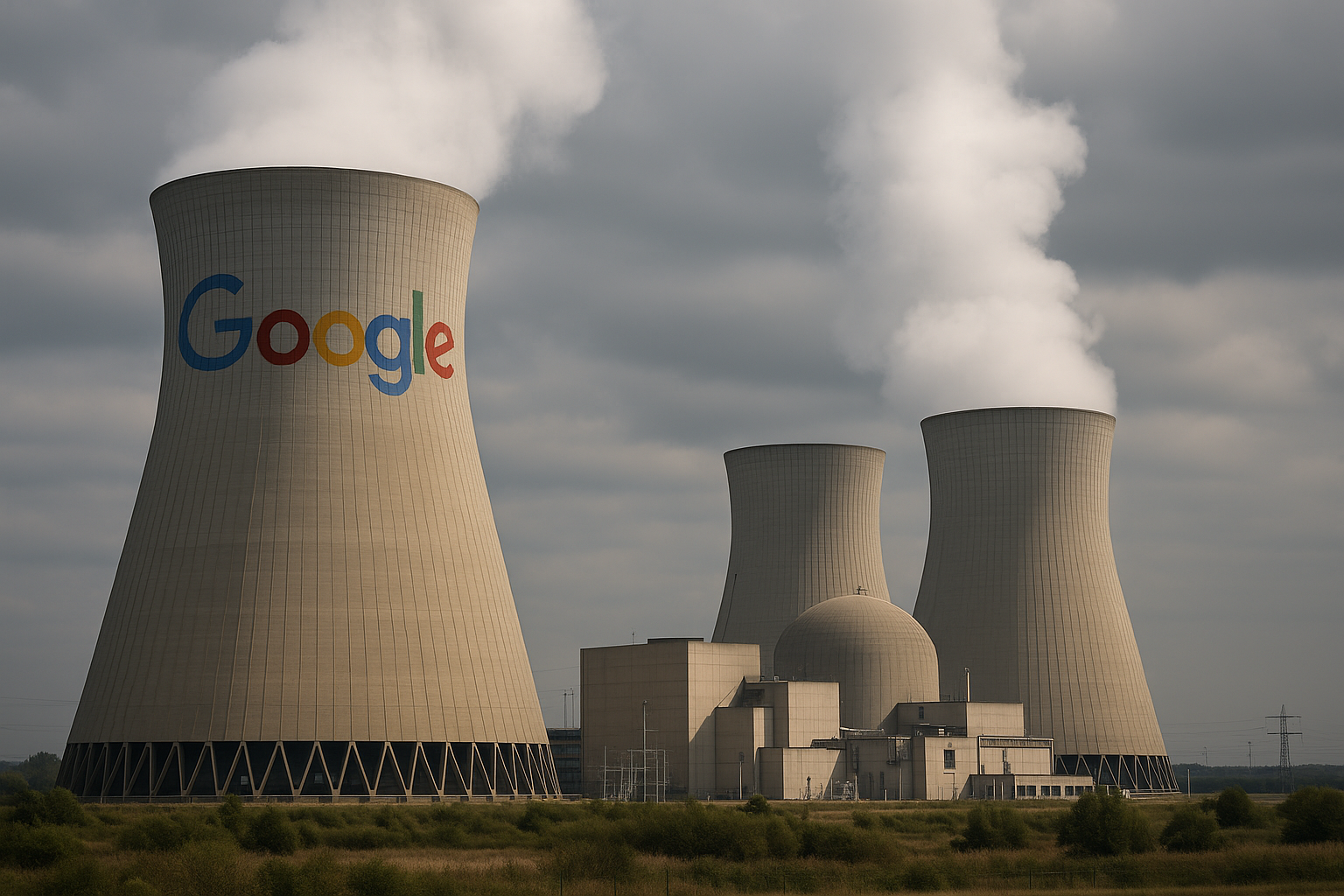
Google is making a historic move into nuclear energy with the Hermes 2 reactor in Oak Ridge, set to power data centers with 50 MW of clean energy by 2030.