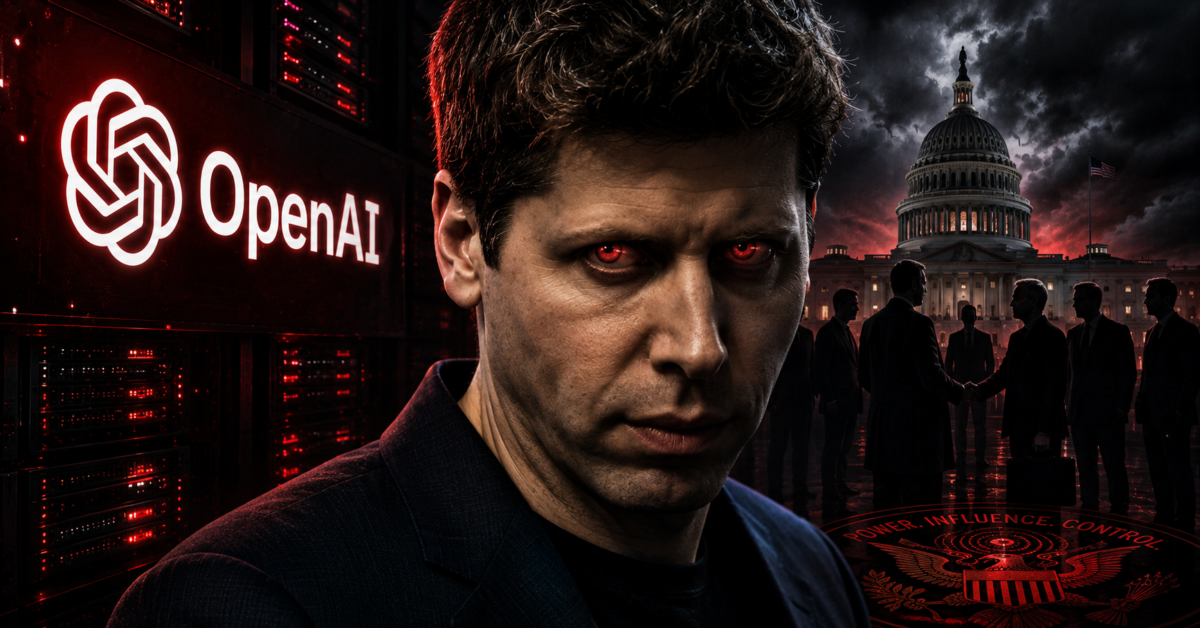
OpenAI has published a new statement about AI policy and political advocacy, and the message basically boils down to this: “Trust us, we are one of the good ones.”
The company says it does not fund political candidates, does not operate a PAC, and has not donated to super PACs. In today’s tech industry, where giant corporations throw money around Washington like confetti, that probably sounds noble to some folks.
To me, it sounds more like carefully crafted image management.
The reality is, OpenAI does not need a PAC to influence public policy. When your executives are meeting with world leaders, testifying before Congress, shaping AI safety narratives, and partnering with one of the most powerful companies on Earth through Microsoft, you already have influence most organizations could only dream about.
Money is not the only currency in politics. Access matters too.
OpenAI also tried to distance itself from an outside political organization called Leading the Future, which has reportedly received support from OpenAI president and cofounder Greg Brockman and his wife Anna Brockman. The company stressed that any involvement with the organization was personal and not connected to OpenAI itself.
Maybe. But let’s not pretend the public is crazy for questioning where the line between “personal” and “corporate” influence actually exists when billion dollar AI companies are involved.
This is where things start feeling a little slippery.
OpenAI says no outside political group speaks for the company. Fair enough. But when top executives tied to OpenAI are financially or publicly connected to advocacy organizations pushing AI related policy ideas, people are naturally going to associate those efforts with the company whether OpenAI likes it or not.
Look, that is just reality.
The company also took a swipe at “astroturfing” and groups that supposedly obscure who they represent. Again, fair point. Fake grassroots campaigns are a real problem in tech policy debates. But OpenAI framing itself as the transparent adult in the room feels a little rich considering how secretive the AI industry can be about training data, partnerships, internal safety disagreements, and lobbying efforts happening behind closed doors.
And then there is the regulation issue.
OpenAI says it supports thoughtful AI regulation, strong safety standards, and rigorous testing. That sounds reasonable until you realize large companies often benefit the most from complicated regulation because smaller competitors cannot afford compliance costs.
That is something open-source advocates and smaller AI startups have been warning about for a while now.
If AI regulation becomes expensive enough, guess who survives? OpenAI. Microsoft. Google. Anthropic. The giants.
Meanwhile, smaller developers and open-source projects could get buried under legal and compliance requirements they simply cannot afford.
So while OpenAI is presenting itself as some sort of neutral steward of responsible AI, critics could argue that many proposed regulations may ultimately strengthen the dominance of the biggest players already sitting at the table.
To be clear, OpenAI is not wrong about everything here. AI policy absolutely matters, and transparency is important. But this statement feels less like a principled stand and more like a strategic attempt to get ahead of growing public skepticism about how much influence AI companies are quietly accumulating.
And folks should probably stay skeptical.
Support independent tech journalism
NERDS.xyz is independently owned and operated. If you enjoy my coverage of Linux, AI, hardware, cybersecurity, and tech culture, consider supporting the site on Ko-fi.
Support NERDS.xyz