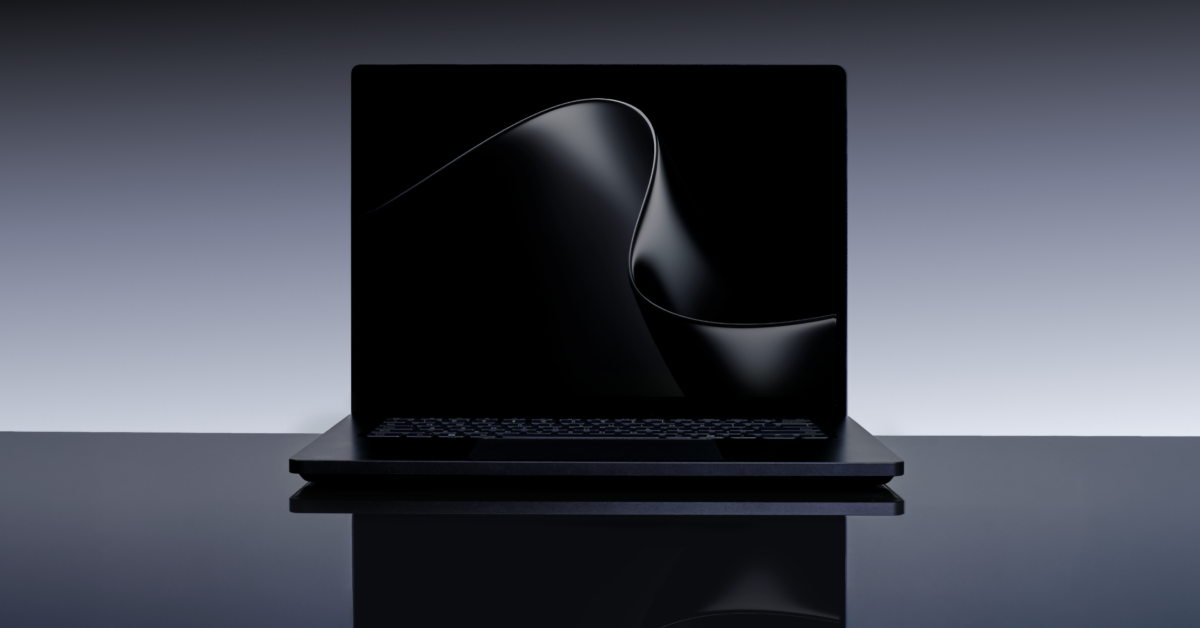
Microsoft just introduced what it calls the most powerful Surface laptop ever made, and folks, this thing sounds less like a normal laptop and more like a portable AI workstation.
Called Surface Laptop Ultra, the new machine was announced alongside NVIDIA’s new RTX Spark platform during NVIDIA GTC. Microsoft is pitching it squarely at developers, AI builders, 3D artists, and creators who need serious horsepower for local workloads. That means compiling code, rendering complex scenes, running giant AI models locally, and handling huge datasets without depending entirely on the cloud.
The headline specs are pretty wild for a so-called thin-and-light device. Microsoft says Surface Laptop Ultra can be configured with up to 128GB of unified memory, an NVIDIA Blackwell RTX GPU, CUDA support, and up to 1 petaflop of AI compute. According to the company, the system can locally run AI models up to 120 billion parameters.
That last part is important because Microsoft and NVIDIA are clearly trying to normalize the idea of running advanced AI models directly on PCs instead of relying only on remote servers. Whether average consumers actually need that much local AI power is another conversation entirely, but developers and enterprise users may absolutely care.
Microsoft says the 15-inch laptop features a mini-LED PixelSense Ultra display with up to 2,000 nits of HDR brightness. The company is also emphasizing practical features that creative professionals still care about in 2026, including HDMI, USB-A, USB-C, an SD card slot, and a headphone jack. Thankfully, Microsoft did not decide to remove useful ports in the name of “minimalism.”
The company also spent a lot of time talking about thermals and acoustics. According to Microsoft, the system was engineered jointly with NVIDIA from the silicon level upward to handle demanding workloads while staying relatively quiet. That is probably a smart focus because stuffing this much hardware into a portable chassis could easily turn into a heat nightmare if done poorly.
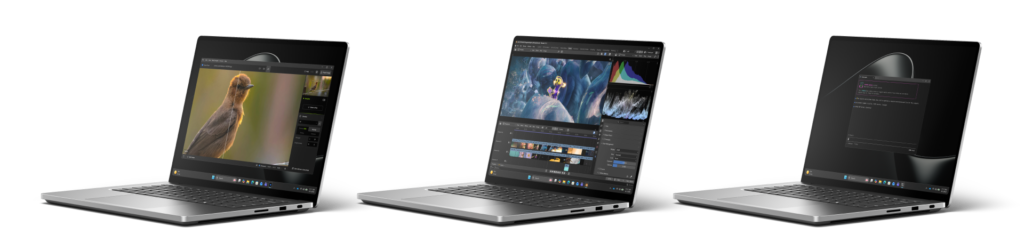
Underneath all this is NVIDIA RTX Spark, a new Arm-based platform that Microsoft says was heavily optimized for Windows 11. Microsoft discussed improvements to scheduling, unified memory handling, GPU access, DirectX support, AI acceleration, and Prism emulation for older x86 applications.
That Prism piece matters more than Microsoft probably wants to admit. Windows on Arm still lives or dies based on compatibility, especially for developers and creative professionals who rely on older Windows software. Microsoft says Prism has now been optimized for RTX Spark systems and includes support for AVX and AVX2 instructions.
The bigger story here may actually be Microsoft’s long-term AI ambitions for Windows itself. The company repeatedly framed these new systems as machines designed for “agents” and local AI workflows. Microsoft talked extensively about OS-level security, AI containment, local inference, and partnerships involving OpenShell, TensorRT, CUDA-accelerated frameworks, GitHub Copilot, Cursor, Claude Code, and ComfyUI.
In other words, Microsoft seems to believe the future Windows PC is not just running apps anymore. It is running AI agents constantly in the background too.
Whether people actually want that future remains to be seen.
Microsoft also announced that RTX Spark systems are coming from ASUS, Dell, HP, Lenovo, and MSI later this year. The Surface Laptop Ultra appears to be Microsoft’s flagship showcase device for the platform, but it will not be alone.
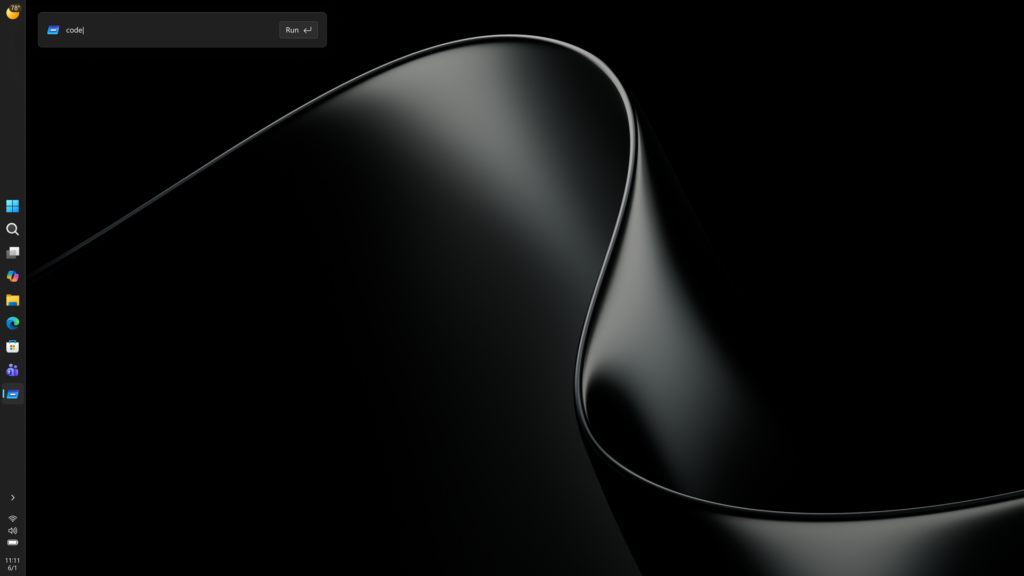
One interesting detail buried in the announcement is Microsoft mentioning alternate taskbar positions returning to Windows 11. Longtime Windows users have been complaining about missing taskbar customization ever since Windows 11 launched, so even a small acknowledgement there could get attention from enthusiasts.
The company additionally confirmed it is scaling this NVIDIA partnership beyond laptops into DGX Station for Windows, which Microsoft describes as an enterprise-focused AI workstation platform powered by NVIDIA Grace Blackwell hardware. Microsoft says those systems could eventually handle trillion-parameter AI workloads locally through Windows and WSL.
That sounds ambitious. It also sounds expensive.
Surface Laptop Ultra will launch later this year, although Microsoft has not yet shared pricing. Given the hardware involved, nobody should expect this thing to be cheap.
Support independent tech journalism
NERDS.xyz is independently owned and operated. If you enjoy my coverage of Linux, AI, hardware, cybersecurity, and tech culture, consider supporting the site on Ko-fi.
Support NERDS.xyz