

TUXEDO Computers is back at it, and this time the company is going for the crowd that wants a serious Linux laptop without sacrificing graphics performance. The new InfinityBook Max 15 basically takes the sleek InfinityBook Pro idea and cranks it up, adding discrete NVIDIA GeForce RTX graphics alongside AMD’s Ryzen AI processors. The result is something that looks like a business ultrabook but has enough horsepower to handle heavy software builds, media work, and some actual gaming after hours.
The case is still all aluminum, and the machine stays under 2kg even with a massive 99Wh battery. That’s airline legal maximum territory, so frequent travelers who want Linux and long battery life can relax. The keyboard has a full numpad and backlight you can tweak for a subtle “not-quite-a-gaming-laptop” vibe. Also nice: rear ports help with cleaner desk setups instead of cables sprawling across the sides like spaghetti.
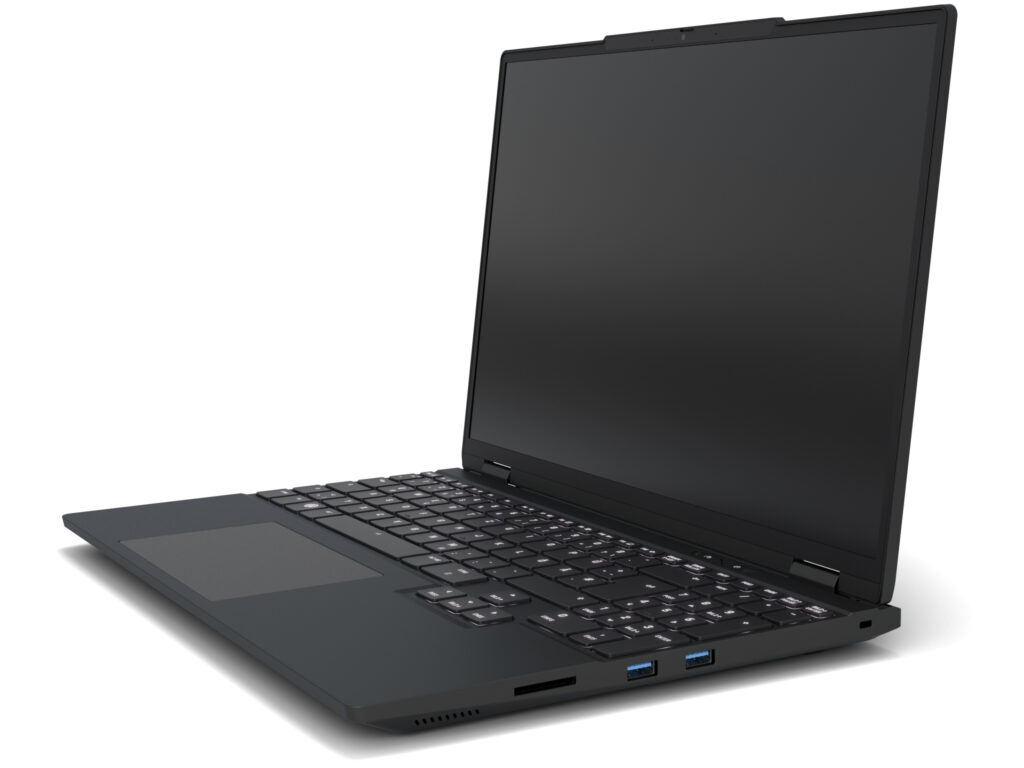
The CPU options are AMD’s Ryzen AI 300 lineup. Even the entry-level Ryzen AI 7 350 with 8 cores is plenty capable, but the Ryzen AI 9 chips jump to 10 or 12 cores with noticeably better multi-threaded output. The “AI” part of these chips is basically the built-in NPU some people love and others ignore, depending on how much generative fluff they actually use on-device. Either way, performance-per-watt seems to be the real story here, especially since this machine can push power up or down depending on heat and fan noise preferences.
On the GPU side, buyers can pick between an RTX 5060 or RTX 5070, with adjustable Total Graphics Power through the TUXEDO Control Center. That means you can choose silence, performance, or something in between. It’s a smart way to handle thermals in a thin chassis. Yes, you can game. Yes, you can run Blender or Stable Diffusion locally. And yes, Linux drivers are ready from day one.
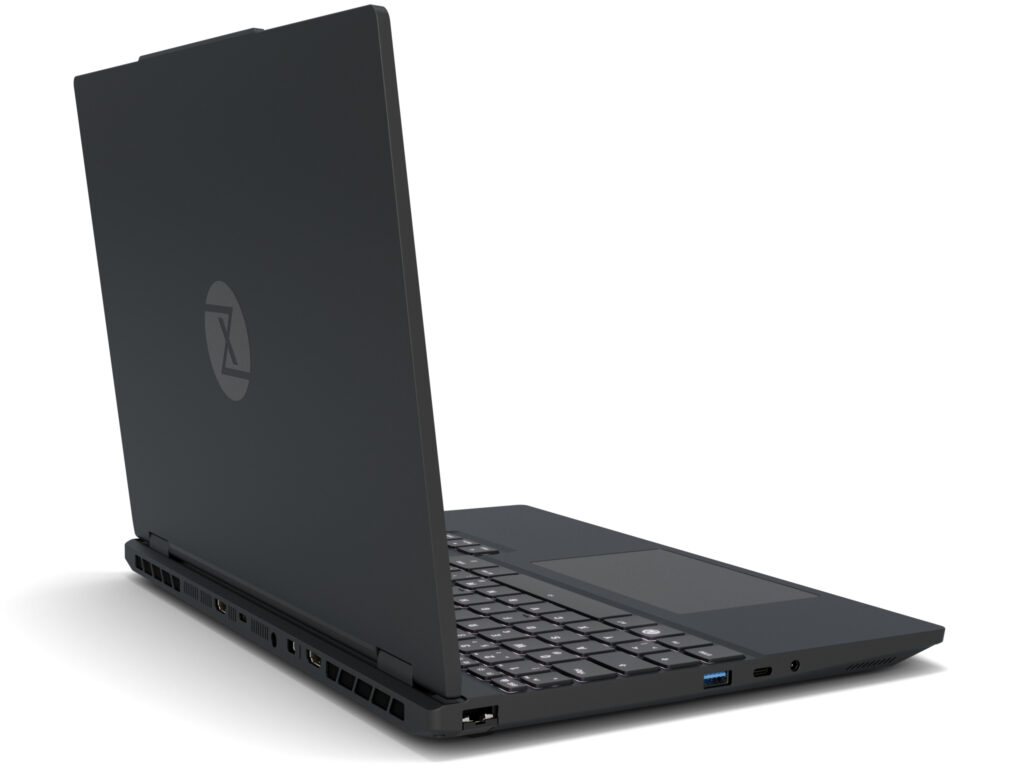
The display checks the right boxes too: 15.3 inches, 16:10 aspect ratio, 2560×1600 resolution, 300Hz refresh rate, and 500 nits brightness. It’s going to look sharp whether you’re coding in a terminal or splitting your screen across docs, chats, and your endless browser tabs. A physical webcam shutter is included, which is always appreciated.
Storage and memory are both upgradable, which still isn’t a given in laptops. You get two RAM slots for up to 128GB DDR5 and dual NVMe bays for up to 8TB of PCIe 4.0 SSD storage. Ports are generous too: dual USB-C (including USB4), two HDMI 2.1 ports, Mini DisplayPort, LAN, full-size card reader, and several USB-A ports. Up to five external monitors is overkill for most people, but it’s the kind of overkill I like!
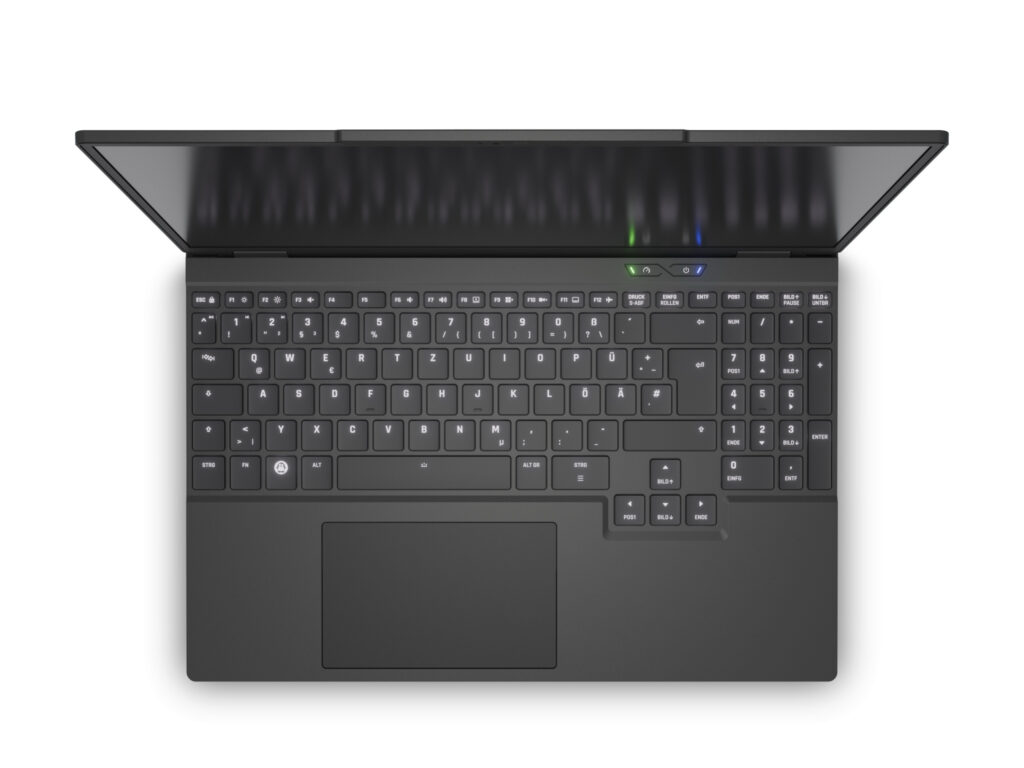
Like all TUXEDO systems, it ships with Linux support out of the box. That means TUXEDO OS or Ubuntu 24.04, plus optional full disk encryption and their own control software for hardware tuning. Windows 11 is also supported, but let’s be honest, most buyers here know why they’re buying this brand.
The base configuration starts at around 1,689 EUR including German VAT, or roughly 1,419 EUR before tax for customers outside Europe. Not cheap, but not unreasonable for a thin Linux machine with real GPU muscle, a giant battery, and proper repairability.
Support independent tech journalism
NERDS.xyz is independently owned and operated. If you enjoy my coverage of Linux, AI, hardware, cybersecurity, and tech culture, consider supporting the site on Ko-fi.
Support NERDS.xyz