
Deloitte has launched a new secure software platform powered by Anthropic’s Claude models, and the company says it can help businesses find, create, test, and deploy fixes for software vulnerabilities.
That sounds useful, right? Well, yes, but it also sounds like the sort of thing that could go horribly wrong, folks.
The platform is designed to address vulnerabilities across custom applications, commercial software, and open-source dependencies. Deloitte says it can connect with existing security tools, prioritize the most serious risks, coordinate remediation work, and even develop new patches when an official fix does not exist.
That last part deserves particular attention. Using artificial intelligence to summarize a vulnerability report or suggest where a developer should look is one thing. Allowing an AI-powered system to help create patches for critical enterprise software is something else entirely.
A bad patch does not simply fail to fix the original problem. It can break applications, corrupt data, introduce new vulnerabilities, disrupt business operations, or create a false sense of security.
Deloitte says its platform includes patch testing, validation, certification, and deployment workflows. The company is not suggesting that Claude should blindly rewrite production systems without supervision.
Still, the announcement leaves plenty of important questions unanswered. How much human review is required before an AI-generated patch can be deployed? Who signs off on the final code? What programming languages and platforms are supported? How does the platform test for regressions? Can customers inspect exactly what Claude changed and why?
There is also the question of responsibility. When an AI-created patch introduces a new security flaw, who is liable? Is it Deloitte, Anthropic, the customer, or the engineer who approved the patch?
Those details matter far more than the model name attached to the platform. Enterprises already struggle with vulnerability management because their environments are packed with aging applications, unsupported software, abandoned open-source packages, and commercial products that cannot be patched without vendor cooperation.
Artificial intelligence may help teams sort through that mess more quickly. It could identify common code patterns, compare potential fixes, generate test cases, and reduce some of the manual work involved in remediation.
But speed is not the same as safety. Security teams are frequently pressured to close vulnerabilities as quickly as possible, especially when executives are staring at dashboards filled with overdue findings. An AI system that produces a plausible patch in minutes could be extremely tempting, even when the underlying code has not been properly understood.
That creates a dangerous possibility. Organizations could begin treating AI-generated fixes as a shortcut rather than a starting point for careful engineering review.
Claude is also not infallible. Like other large language models, it can generate code that looks reasonable while containing subtle mistakes. In ordinary software development, that may result in a bug. In cybersecurity, it may leave a supposedly fixed system exposed to attackers.
Deloitte says its platform is modular and covers the full remediation lifecycle, including visibility, scanning, prioritization, vendor management, disclosure management, and reporting. Customers can use it as a fully managed service, a custom system that Deloitte builds and transfers, or as engineering support for an existing security program.
That flexibility may appeal to large organizations with more vulnerabilities than their internal teams can reasonably handle.
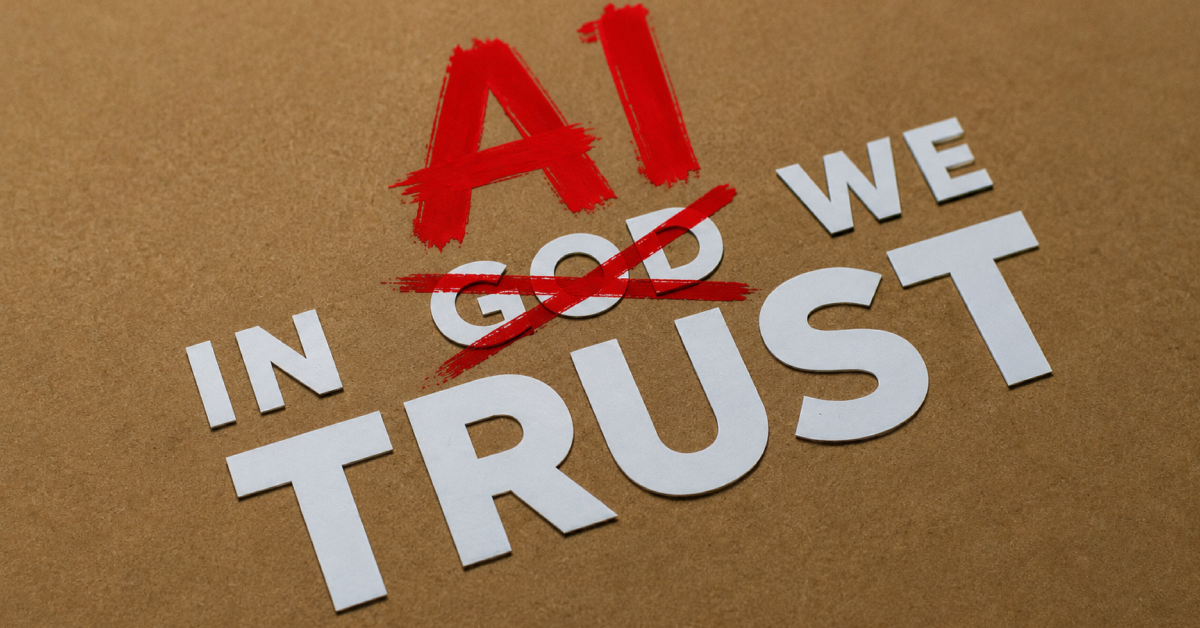
The platform could be valuable, particularly when it helps experienced security engineers investigate problems and test possible fixes. The concern begins when businesses start assuming that a patch is trustworthy simply because Deloitte built the workflow and Claude generated the code.
Deloitte wants enterprises to move from vulnerability detection to action. That is a reasonable goal. Companies often discover security problems long before they manage to fix them.
But critical software patches should not become another area where businesses rush to automate first and ask questions later.
Claude may be able to help write the patch. A qualified human still needs to understand it.
Support independent tech journalism
NERDS.xyz is independently owned and operated. If you enjoy my coverage of Linux, AI, hardware, cybersecurity, and tech culture, consider supporting the site on Ko-fi.
Support NERDS.xyz