Apple is making an almost ridiculous amount of money. The company reported $114.5 billion in revenue for its fiscal fourth quarter of 2026, with net income reaching $30.7 billion. That’s more than $330 million in profit every single day during the three-month period. Not bad for a company selling smartphones, computers, and subscriptions.
But while Apple’s latest financial results are certainly worth celebrating in Cupertino, they aren’t entirely positive. The iPhone and Mac businesses are doing extremely well, while iPad and Wearables, Home and Accessories revenue declined. Even Apple’s impressive profit margins received a helping hand from tariff refunds.
The iPhone remains Apple’s biggest moneymaker, generating $57.6 billion in revenue, up from $49 billion during the same quarter last year. That’s an increase of approximately 17.5 percent, which is remarkable considering how expensive premium smartphones have become.
Interestingly, the quarter ended September 26, meaning the results included just nine days of iPhone 18 Pro and iPhone 18 Pro Max availability. The foldable iPhone Duo didn’t arrive until October 23, so its sales aren’t reflected in these numbers.
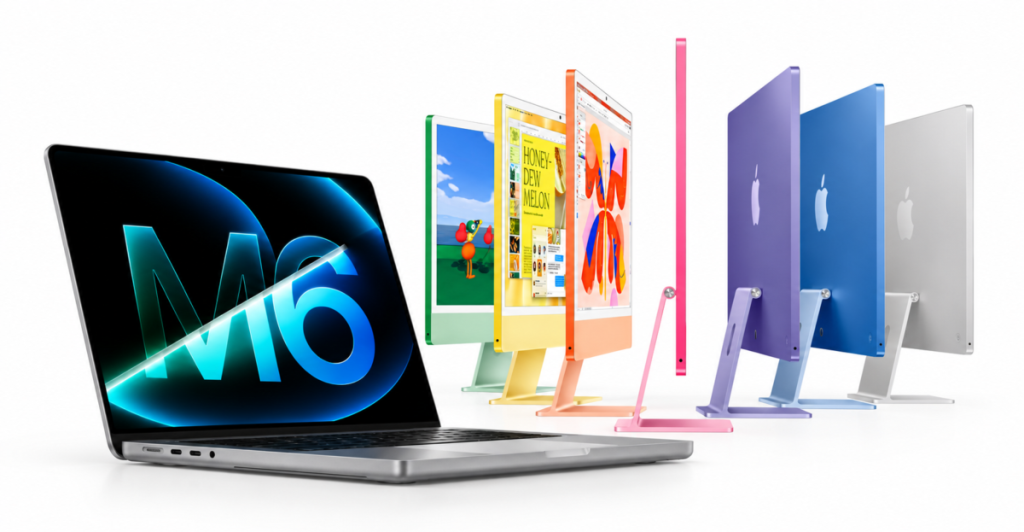
Mac sales were another highlight, climbing nearly 24 percent to $10.8 billion. That’s particularly encouraging for Apple as it continues expanding its computer lineup with more powerful processors and touchscreen models.
Unfortunately, the iPad wasn’t nearly as successful. Quarterly revenue fell from $6.95 billion to $6.23 billion, a decline of more than 10 percent. That’s a fairly disappointing performance for a product category Apple has spent years positioning as an alternative to traditional computers.
Wearables, Home and Accessories didn’t fare much better. Revenue declined approximately 8 percent to $8.3 billion, compared to $9 billion last year. This category includes products such as Apple Watch, AirPods, and various accessories, although Apple doesn’t disclose individual sales figures for each product.
Of course, declining revenue doesn’t necessarily mean customers are abandoning these devices. Product refresh cycles, pricing, and purchasing patterns can all influence quarterly results. Still, Apple would presumably prefer to see every category growing rather than relying so heavily on its most successful products.
One business that certainly isn’t struggling is Services. Apple generated a record $31.6 billion from offerings that include iCloud, Apple Music, Apple TV, and the App Store. That’s nearly 10 percent growth year over year.
The appeal of this business is obvious. Apple doesn’t need to convince someone to purchase a new computer or smartphone every month to collect another subscription payment. Once customers become invested in its ecosystem, those recurring charges can continue for years.
There’s another interesting detail buried in the earnings announcement. Apple reported a gross margin of 47.9 percent, but approximately one percentage point came from tariff refunds. Earnings per share reached $2.10, with those refunds contributing five cents.
In other words, Apple’s financial performance benefited from money being returned to the company rather than entirely from its normal operations. That doesn’t make the results bad, but it’s an important distinction when evaluating profitability.
Apple is also spending considerably more money developing future products. Research and development expenses reached $11.7 billion during the quarter, compared to $8.9 billion a year earlier. That’s an increase of more than 32 percent.
With artificial intelligence becoming increasingly important to the technology industry, Apple has plenty of reasons to invest. Its revamped Siri AI, expanding hardware lineup, and continued processor development all require substantial resources, although the company hasn’t specified exactly how that R&D spending was distributed.
Another noteworthy result came from Greater China, where revenue increased from $14.5 billion to $17.5 billion. That’s growth of approximately 21 percent, despite the intense competition Apple faces from domestic smartphone manufacturers.
The earnings announcement also represents a milestone for John Ternus, who replaced Tim Cook as Apple’s CEO in September. Ternus used his first quarterly earnings release in the role to highlight products such as the iPhone Duo and Apple’s expansion into new home hardware.
“We’re closing the year with our most ambitious lineup yet,” Ternus said.
For the entire fiscal year, Apple generated approximately $479 billion in revenue and $132.2 billion in net income. It also repurchased $86.4 billion worth of its own shares and paid approximately $15.7 billion in dividends and dividend equivalents.
Those numbers demonstrate just how profitable Apple’s business has become. Whether consumers appreciate the company’s increasingly premium pricing is another matter entirely.
The next earnings report should be particularly interesting because it will include the holiday shopping season and the iPhone Duo’s first months on the market. That will provide a clearer picture of whether Apple’s latest hardware experiments can attract buyers.
For now, the company has delivered another remarkable financial performance. But beneath all those billions is a reminder that even Apple can’t make everything it sells a hit.
Support independent tech journalism
NERDS.xyz is independently owned and operated. If you enjoy my coverage of Linux, AI, hardware, cybersecurity, and tech culture, consider supporting the site on Ko-fi.
Support NERDS.xyz