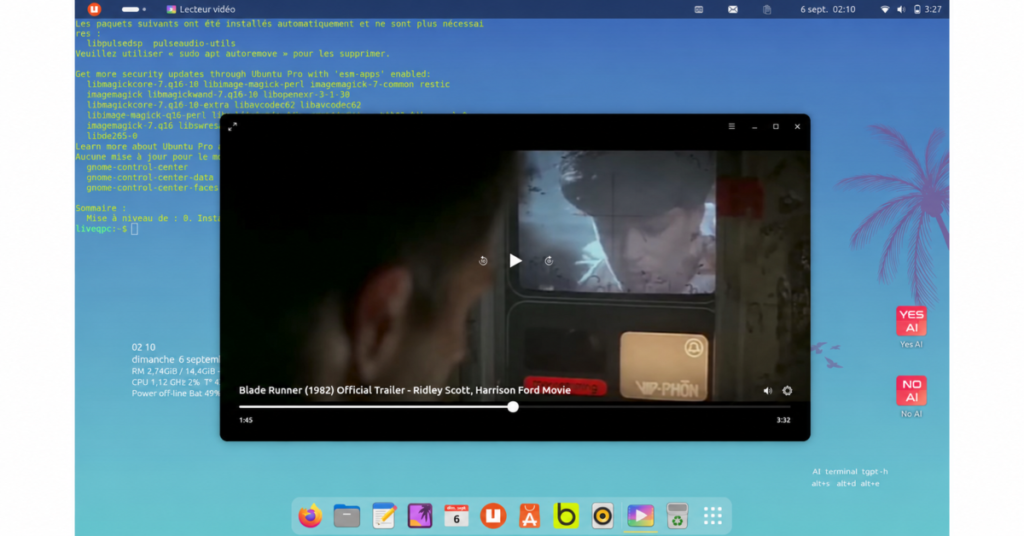
Linux Lite 8.2 is now available, giving the Ubuntu-based operating system a fresh release with Linux 7.3 and a choice of desktop or gaming kernels. The project calls this a minor release, but there are details worth understanding before you install it, particularly if the gaming option catches your eye.
Built on Ubuntu 26.04.1 LTS and carrying the Hematite codename, Linux Lite 8.2 uses the Xfce desktop with LightDM. Its official release announcement also includes an extensive package history, although that history covers development across the 8.x series. Everything in that lengthy changelog should not be mistaken for something introduced with 8.2.
The kernel is the headline feature here. Linux Lite builds its own from mainline source downloaded from kernel.org, verifies that source against the official signing keys, and adds a selected set of CachyOS patches. It also carries forward the Ubuntu 26.04 LTS kernel configuration as its starting point.
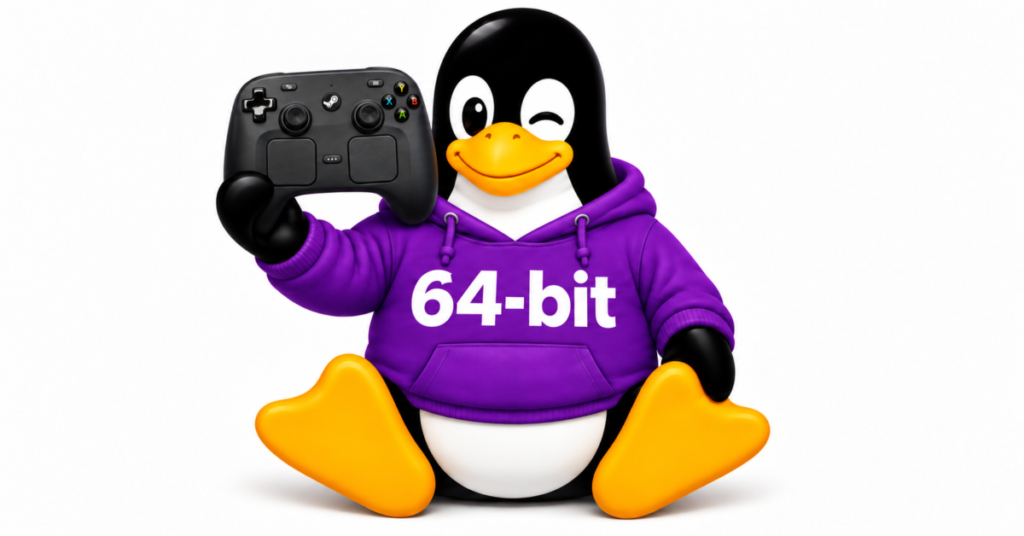
Every fresh installation boots the standard desktop kernel, which keeps security mitigations enabled. The optional gaming kernel adds the BORE scheduler modification and uses full preemption, with the project targeting lower input latency and more consistent frame delivery.
There is a tradeoff, however. The gaming kernel disables security mitigations, so selecting it changes more than performance tuning. That deserves attention before anyone treats the gaming label as an automatic upgrade, and the announcement does not provide comparative benchmark results establishing how much faster particular games will run.
Linux Lite lets users install the gaming kernel after setup while retaining the desktop kernel. That gives people a way to experiment without removing the existing option, while Lite Kernel Manager provides the interface for managing kernels and running benchmarks.
NVIDIA compatibility has received attention as well. An October patch addresses a kernel API change that prevented the NVIDIA module from building against Linux 7.3. The changelog says NVIDIA 615.71.09 was successfully built on the 7.3 gaming kernel, which is a specific compatibility result rather than a promise that every NVIDIA card will work.
Some of the more useful changes documented in the broader 8.x history concern readability. Lite Kernel Manager received brighter labels and bold white button text following an accessibility request, followed by a fix that makes its dark interface remain legible when the desktop uses a light theme. These are practical improvements for people who struggle with low-contrast interfaces, and I would rather see developers address those problems than spend all their time rearranging icons.
The accumulated fixes also cover encrypted installations, NVIDIA driver switching, and applications interfering with the desktop accessibility bus when running with administrator privileges. Another change stops Firefox or Thunderbird from being pulled back in through language-package recommendations after a user removes them. Choosing a different browser should not turn into a recurring argument with the update system.
For existing Linux Lite 8.0 users, the upgrade process starts with Install Updates. Reboot if prompted, create a Timeshift restore point, open Lite Upgrade under Settings, and reboot again when the upgrade finishes.
There is an especially useful fix in the upgrade tool itself. It previously checked the wrong repository endpoint for release information, which could leave an 8.0 installation reporting that no upgrade was needed. The project says users troubleshooting the process should have version 8.0-0050-linuxlite or later of the lite-upgrade-series8 package.
Upgrading the distribution does not automatically upgrade the kernel. Linux Lite explicitly keeps those operations separate to avoid introducing kernel-related problems across existing installations, so moving from 8.0 to 8.2 does not necessarily mean the machine will start running Linux 7.3.
For fresh installations, the recommended hardware includes a 1.5GHz dual-core processor, 4GB of RAM, 40GB of storage, and a display capable of 1366×768. The installation notes call for Secure Boot to be disabled and CSM to be enabled, details prospective users should check against their machine before preparing an installation.
Linux Lite 8.2 is available through SourceForge and the mirrors listed in the announcement. A 4GB or larger USB drive can hold the installation image, and the project instructs users to run Install Updates immediately after a fresh installation to collect any changes made after the image was published.
Support independent tech journalism
NERDS.xyz is independently owned and operated. If you enjoy my coverage of Linux, AI, hardware, cybersecurity, and tech culture, consider supporting the site on Ko-fi.
Support NERDS.xyz