The PC market just had an ugly quarter. Shipments fell by roughly a fifth, and even the usual seasonal boost failed to materialize. Calling it a PC shipment apocalypse might sound dramatic, but manufacturers probably aren’t finding much to smile about in these numbers.
According to IDC’s preliminary figures, worldwide PC shipments dropped 20.1 percent year over year to 62.7 million units in the third quarter of 2026. They also fell 9.1 percent compared with Q2, reversing the usual pattern of a stronger third quarter.
Part of the problem comes from buying ahead. Vendors and distributors stocked up earlier in the year to get ahead of memory price increases. That left channels working through existing inventory instead of ordering more machines.
IDC also points to supply constraints and elevated prices driven by AI data center construction. There is an uncomfortable irony here. The infrastructure behind the AI boom is contributing to cost pressures on the computers people use every day.
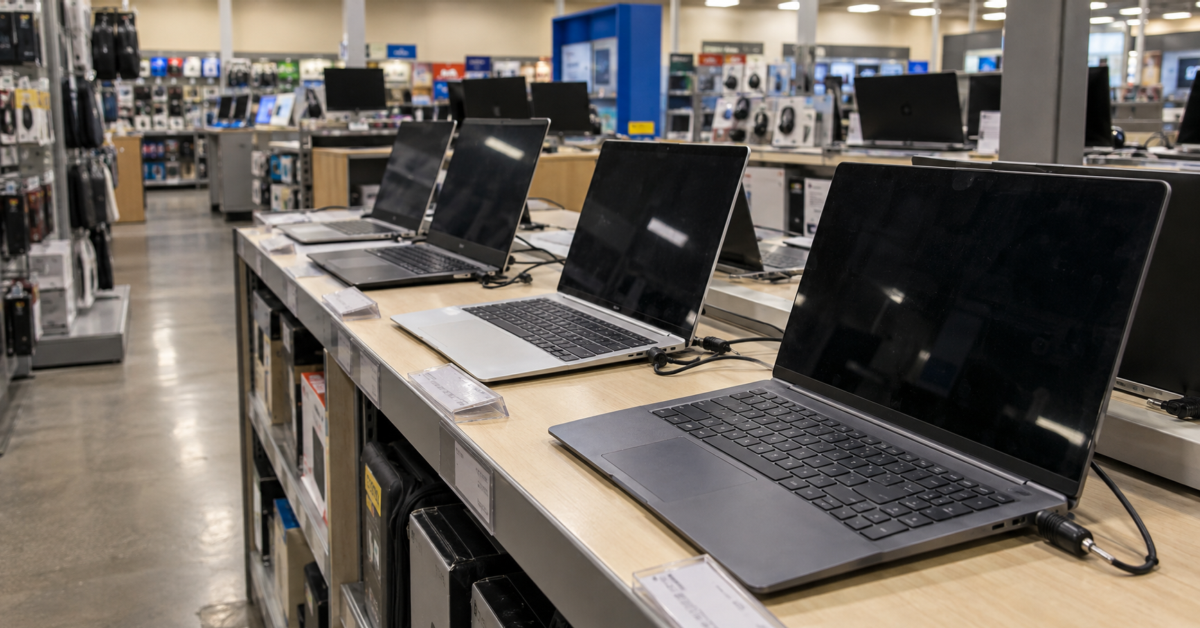
For someone shopping for a laptop, the industry’s enthusiasm for AI doesn’t make a higher price tag any easier to swallow. Buyers still need a machine that fits their budget, whether they care about AI features or simply want to browse the web, work, and play games.
HP took the hardest hit among the five largest vendors, with shipments falling 30.9 percent. Dell dropped 25 percent, while Lenovo declined 22.6 percent and retained the top position.
Apple and ASUS fared better, although neither escaped the downturn. Their shipments fell 11.3 percent and 8.6 percent, respectively, allowing both to gain market share.
That is hardly a victory worth celebrating without context. A company can claim a larger slice of the market while shipping fewer computers. Investors and marketing departments might appreciate the share gains, but the underlying direction is still downward.
There is a potential upside for shoppers. IDC says inventory pressure could encourage promotions, although it expects prices to remain above year-ago levels. It also warns that worsening economic conditions could weaken the outlook further.
Before treating this as a collapse in consumer purchases, there is one caveat. These figures measure shipments to distribution channels or end users. They don’t tell us that shoppers bought 20 percent fewer PCs at retail.
Still, manufacturers have a problem. Higher prices give people another reason to keep an older computer running, and convincing them to replace it requires something more compelling than another AI badge. The industry can keep pitching the future, but buyers have to afford the hardware first.
Support independent tech journalism
NERDS.xyz is independently owned and operated. If you enjoy my coverage of Linux, AI, hardware, cybersecurity, and tech culture, consider supporting the site on Ko-fi.
Support NERDS.xyz