
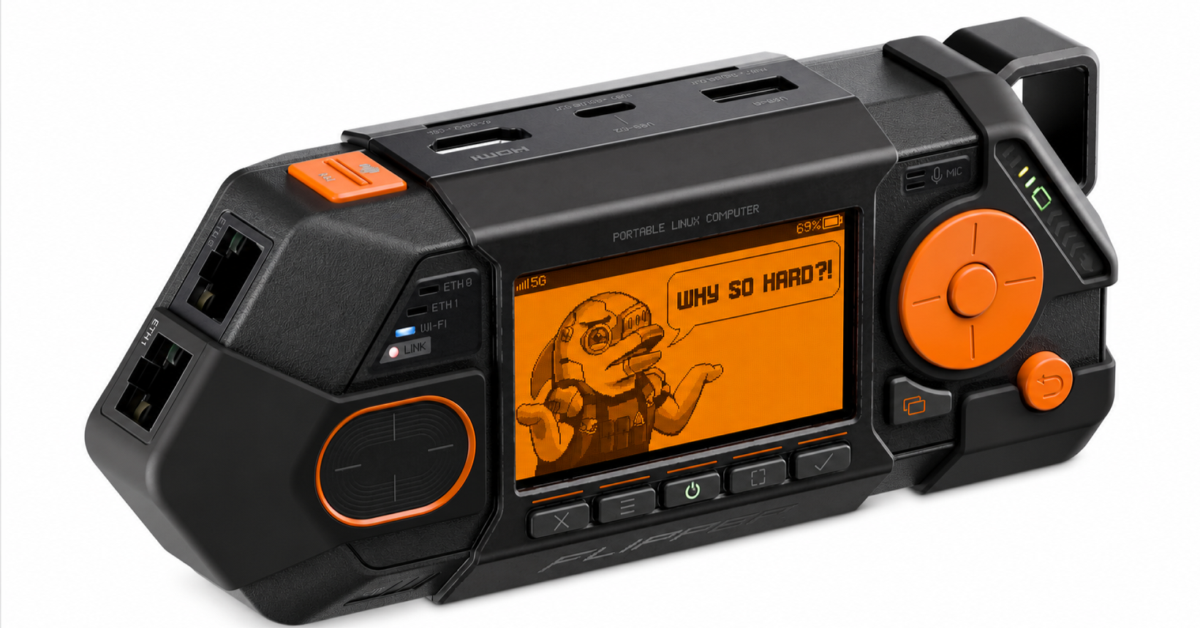
The folks behind Flipper Devices have finally pulled back the curtain on Flipper One, and no, this is not some simple successor to Flipper Zero. The company says this is an entirely different category of device, built around Linux, networking, modular hardware, and open-source development.
And frankly, the scope of this thing is kind of nuts.
Flipper One is being pitched as an open Linux cyberdeck that can transform into pretty much whatever you want. Router? Sure. SDR signal analyzer? Yep. Portable pentesting box? Absolutely. The company even mentions local AI workloads running directly on the hardware without internet access.
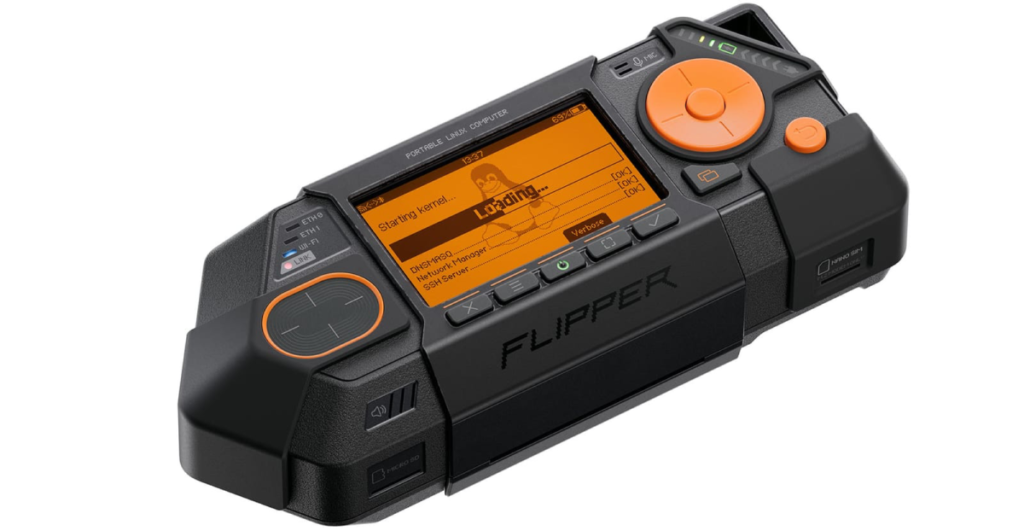
What caught my attention immediately is how aggressively Flipper Devices is pushing the “open” angle. The company says it wants Flipper One to become “the most open and best-documented ARM computer in the world,” complete with full mainline Linux kernel support and no dependency on ugly vendor BSP kernels.
If you have spent any time messing with ARM Linux boards, you probably understand the frustration here. Too many ARM devices rely on weird vendor patches, half-broken kernels, mystery blobs, and abandoned software trees. It can feel like every board exists in its own little universe. Flipper Devices seems genuinely sick of that mess, and honestly, so am I.
To help make this happen, the company partnered with Collabora to upstream support for the Rockchip RK3576 processor into the mainline Linux kernel. The goal is pretty simple: download a kernel straight from kernel.org and boot it on Flipper One without dealing with vendor nonsense.
That alone makes this project interesting.
Hardware-wise, Flipper One sounds like a nerdy dream machine. The device combines an 8-core RK3576 processor with a Raspberry Pi RP2350 microcontroller in a dual-processor setup. Linux runs on the main CPU, while the RP2350 handles lower-level stuff like buttons, display control, touchpad input, LEDs, and power management.
The clever part is that the microcontroller can still operate independently when Linux is powered down. That means the device does not just become a dead brick when the main OS is off. It is the kind of engineering detail Linux nerds tend to appreciate.
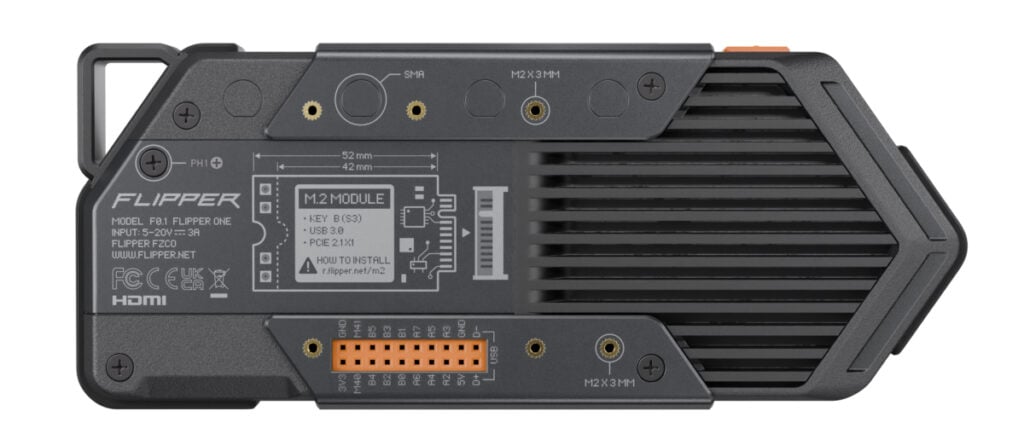
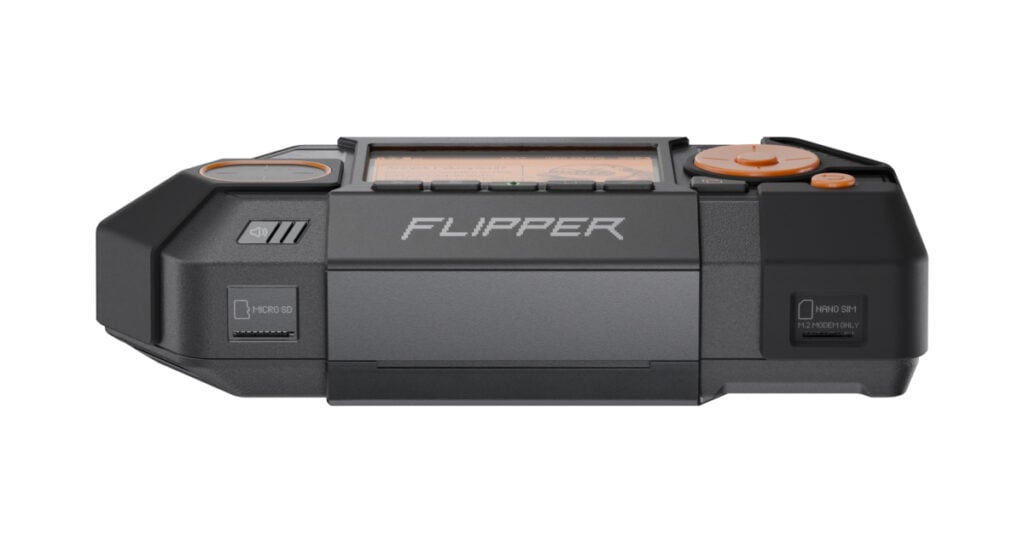
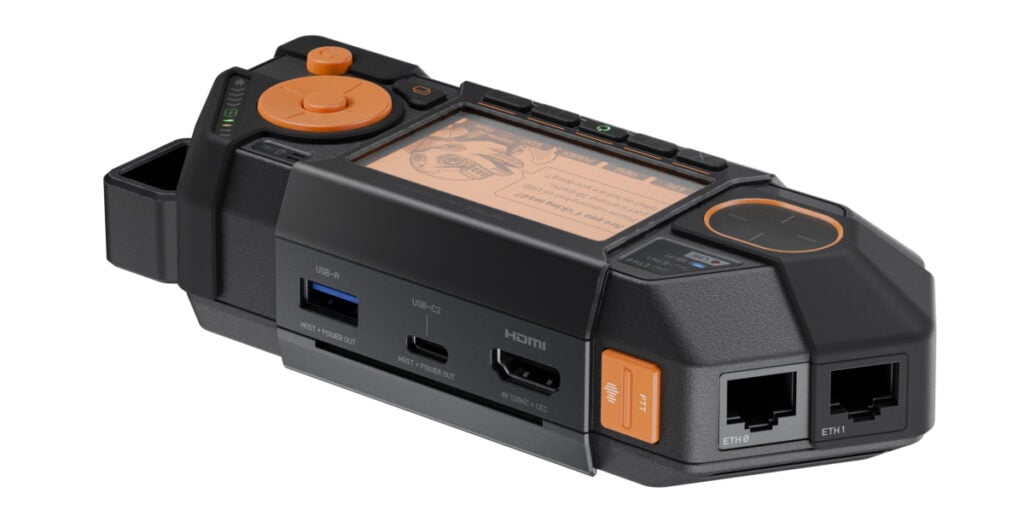
Expansion is a massive part of the design too. Flipper One includes support for M.2 modules over PCIe, USB, and SATA, opening the door for SSDs, 5G modems, SDR hardware, AI accelerators, and other add-ons. There is also a GPIO expansion system for DIY hardware projects, complete with mounting support designed around standard perfboard layouts.
Networking is clearly one of the platform’s biggest focuses. The device includes dual Gigabit Ethernet ports, Wi-Fi 6E, USB Ethernet, and optional cellular connectivity through M.2 modules. According to the company, users can configure it as a VPN gateway, packet sniffer, portable bridge, travel router, or wireless analysis tool.
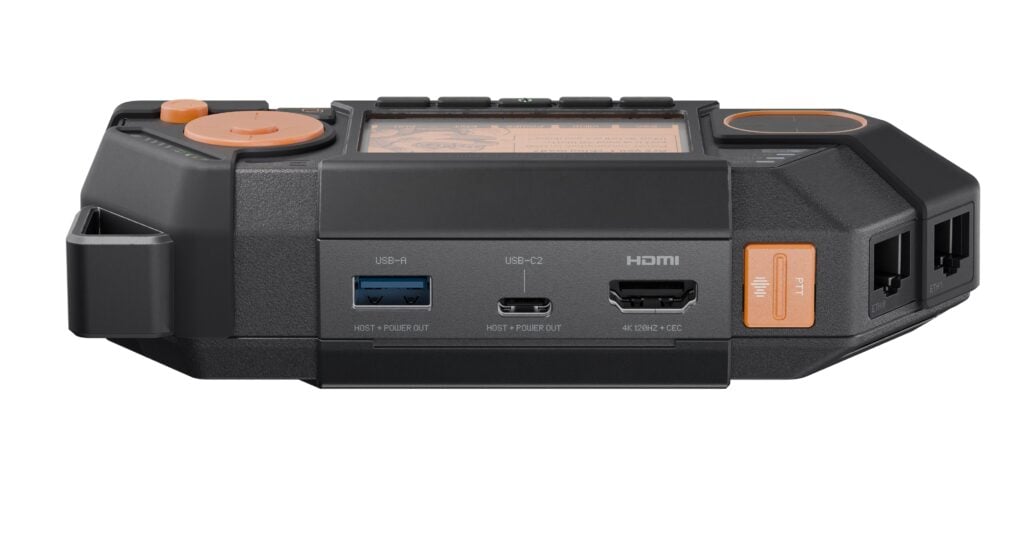
And yes, the company even included a full-size HDMI 2.1 port. No Micro HDMI nonsense here. In fact, Flipper Devices directly calls out Raspberry Pi for the adapter headache, which honestly made me laugh because it is true.
Software-wise, the company is working on something called Flipper OS, which layers profile-based snapshots on top of a Debian-based Linux system. The idea is that users can quickly switch between different setups without constantly nuking and re-flashing storage every time they want to repurpose the device.
There is also FlipCTL, a custom menu-driven interface framework designed specifically for tiny screens. Instead of cramming KDE or GNOME onto a small display and suffering through a miserable experience, FlipCTL wraps Linux command-line tools in a cleaner interface built around buttons and D-pad navigation.
Will it work well? That remains to be seen. But I appreciate that the company is at least acknowledging how terrible most small-screen Linux experiences currently are.
Naturally, because every tech product apparently needs AI in 2026, Flipper One will also support local LLMs running directly on the hardware using its built-in NPU. The company wants the AI assistant to help users configure networking and troubleshoot the system even when offline. Whether folks actually want AI baked into a cyberdeck is debatable, but at least this approach avoids relying entirely on cloud services.
What really separates this announcement from typical startup hype, however, is the honesty. Flipper Devices openly admits this project scares the hell out of it financially and technically. Instead of pretending everything is polished and ready to ship tomorrow, the company is exposing its internal development process publicly through a developer portal complete with documentation, debates, unfinished ideas, and open tasks.
That level of transparency is refreshing.
As somebody who spends a lot of time around Linux hardware projects, I can say this much: Flipper One feels genuinely ambitious. Maybe too ambitious. Plenty of Linux hardware projects have promised the world before running into reality.
But if Flipper Devices can actually pull even most of this off, Flipper One could end up becoming one of the most interesting portable Linux devices we have seen in years.
Support independent tech journalism
NERDS.xyz is independently owned and operated. If you enjoy my coverage of Linux, AI, hardware, cybersecurity, and tech culture, consider supporting the site on Ko-fi.
Support NERDS.xyz