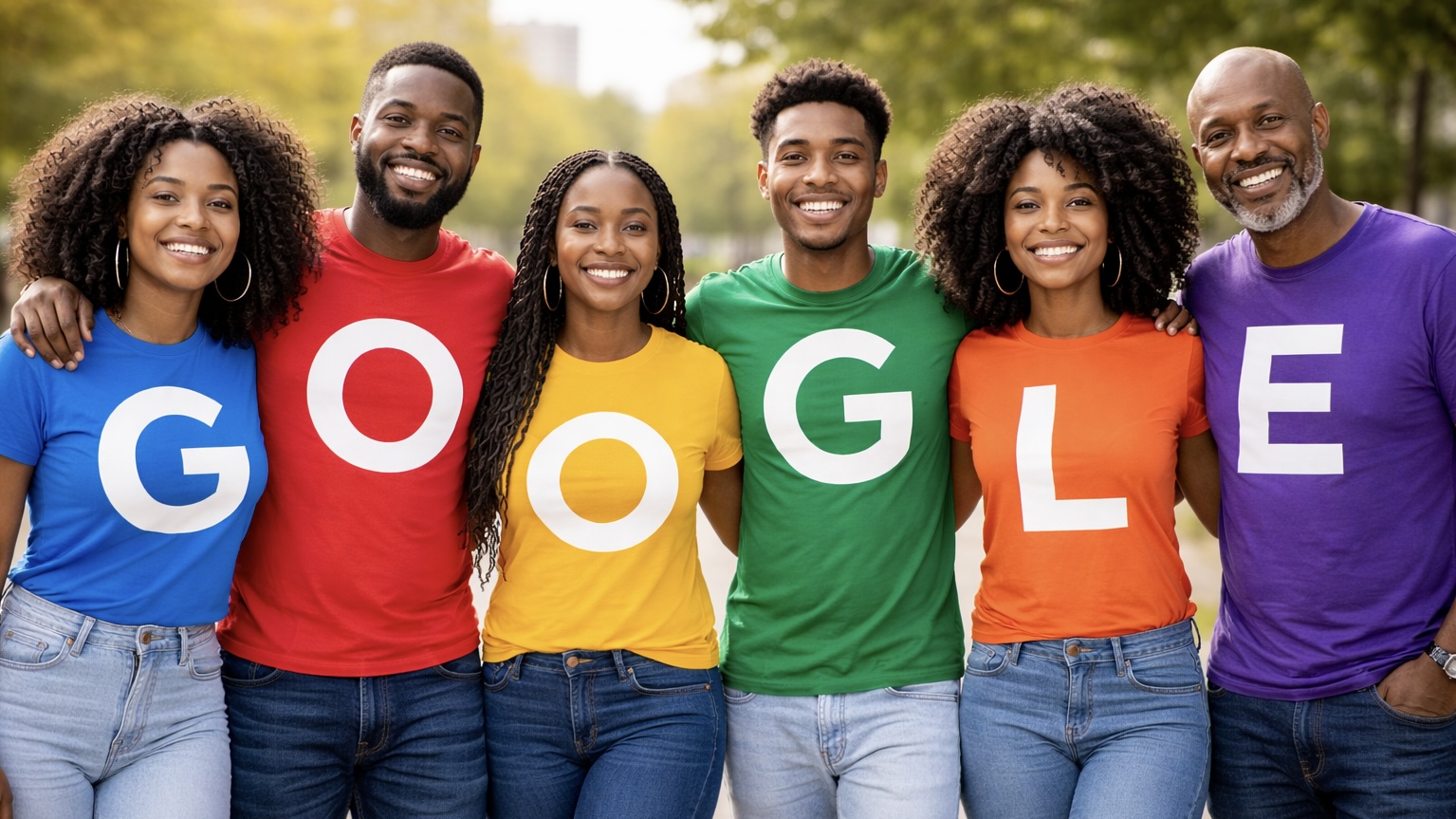
Today is February 1, and Google is once again using Black History Month as a moment to highlight Black creativity, innovation, and cultural influence across its ecosystem. Rather than focusing on a single announcement, the anarchy giant is spreading its efforts across Search, YouTube, Google Play, Google TV, Chrome, Meet, Maps, and Arts and Culture, with an emphasis on creators, developers, artists, and Black-owned businesses.
One of the more visible launches is a new Google Doodle music video built around hip-hop beat-making. The Doodle is set to a custom track by Illa J and focuses on the technical and creative foundations of hip-hop production, including looping, mixing, and sampling. It is a reminder that hip-hop is not just a musical genre but also a technical craft, shaped by producers who found new ways to work within constraints and push sound forward. By centering beat-making rather than just performance, Google is drawing attention to a part of hip-hop culture that often sits behind the scenes but drives everything else.
On Google Play, the company is rolling out a dedicated Black History Month hub that features curated collections of apps, games, and books created by Black developers and creators. The hub also includes special events tied to the month, giving users a reason to explore beyond the usual charts and recommendations. For developers, this kind of visibility can matter, especially in an ecosystem where discovery is often the biggest hurdle. For users, it is a chance to find apps and content they might not otherwise see surfaced.
Google TV is also leaning into the theme with collections that highlight Black stories across genres and eras. The company says the collections will span historical figures, Afrofuturist science-fiction, and free live TV channels that focus on Black voices and experiences. It is a broad approach that avoids narrowing Black history and culture into a single narrative, instead treating it as something expansive and ongoing.
YouTube’s contribution focuses more on community and amplification. Throughout the month, the platform will highlight creators and artists through its social channels, pushing attention toward voices that are already active on the platform. While this is less of a product feature and more of a promotional effort, it aligns with YouTube’s role as a creator-driven platform where visibility can directly translate into audience growth and income.
These Black History Month launches sit alongside ongoing initiatives that Google has been building out over time. The Chrome Black Artists Series continues to feature artwork from Black artists, giving users optional visual customizations while also providing artists with a massive audience. Google Meet is bringing back its annual Black History Month backgrounds, a small but visible way for users to show participation and awareness in everyday work settings.
Search and Maps continue to make it easier to identify Black-owned businesses, which has practical implications beyond awareness. Making these businesses more discoverable can directly affect foot traffic and revenue, especially for users who intentionally want to support Black-owned companies in their local communities. Meanwhile, Google Arts and Culture is expanding its storytelling around Black history and culture, offering deeper dives that go beyond quick summaries or surface-level highlights.
Taken together, Google’s Black History Month effort feels less like a single campaign and more like a coordinated push across products that people already use daily. That matters, because it keeps Black history and creativity from being siloed into one place that users might never visit. Instead, it shows up in search results, home screens, streaming recommendations, and even video calls.
Of course, none of this replaces the broader conversations about representation, equity, and opportunity in the tech industry itself. Highlighting creators and businesses is meaningful, but it exists alongside ongoing scrutiny of how large tech companies support diversity internally and structurally. Still, visibility and access are not trivial things, especially when platforms as large as Google’s are involved.
For users, Black History Month on Google means more chances to discover new music, apps, stories, and creators. For creators and developers, it offers a moment of added attention in ecosystems where attention is scarce. And for Google, it is another example of how cultural moments are increasingly reflected through software, algorithms, and product design, not just blog posts or press releases.
Support independent tech journalism
NERDS.xyz is independently owned and operated. If you enjoy my coverage of Linux, AI, hardware, cybersecurity, and tech culture, consider supporting the site on Ko-fi.
Support NERDS.xyz