
I have been keeping an eye on RakuOS for a little bit now, and if I am being real, earlier versions seemed more interesting than practical. Look, the project totally had good ideas, but there were enough rough edges that I would hesitate recommending it to regular folks looking for a dependable daily driver.
You know what? RakuOS Linux 44 finally feels… different.
You see, this is the first release where the project no longer sounds like a cool experiment from Linux enthusiasts tinkering in Discord servers late at night. It actually sounds like a distro trying to grow up.
The developers are even calling it the first proper stable release, which is a bold statement in the Linux world. A lot of projects throw around the word “stable” way too casually. In this case, though, the changelog backs it up.
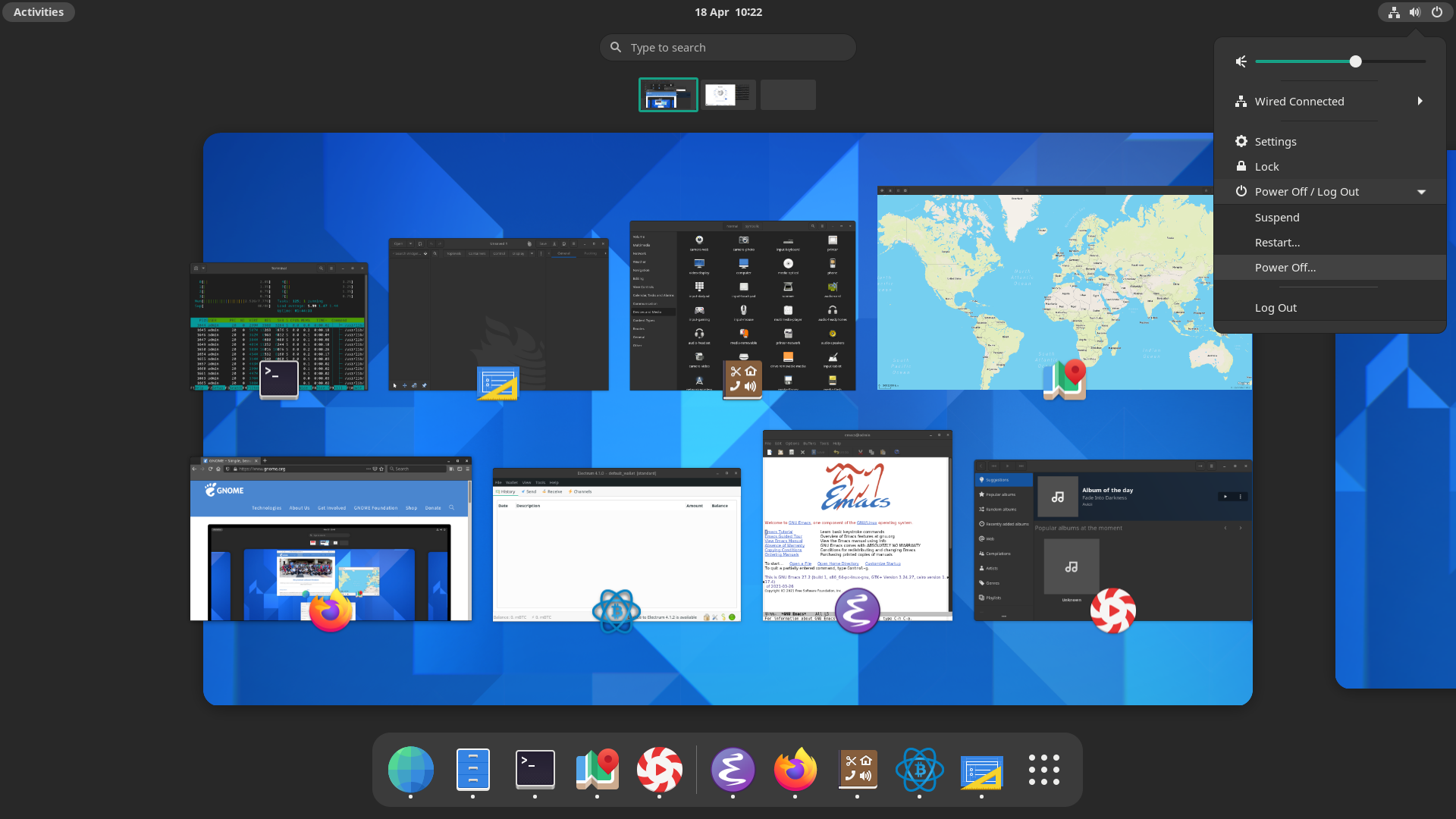
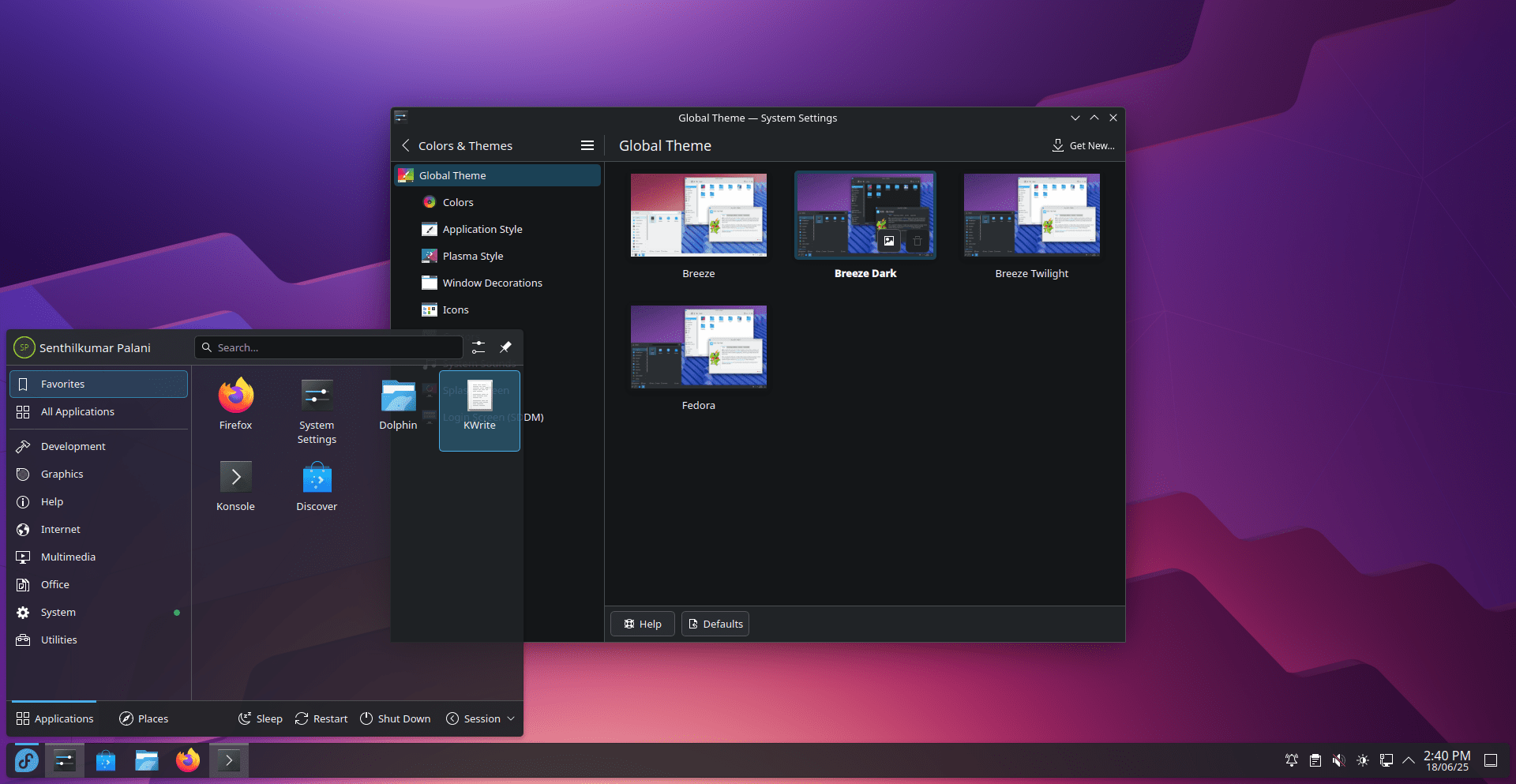
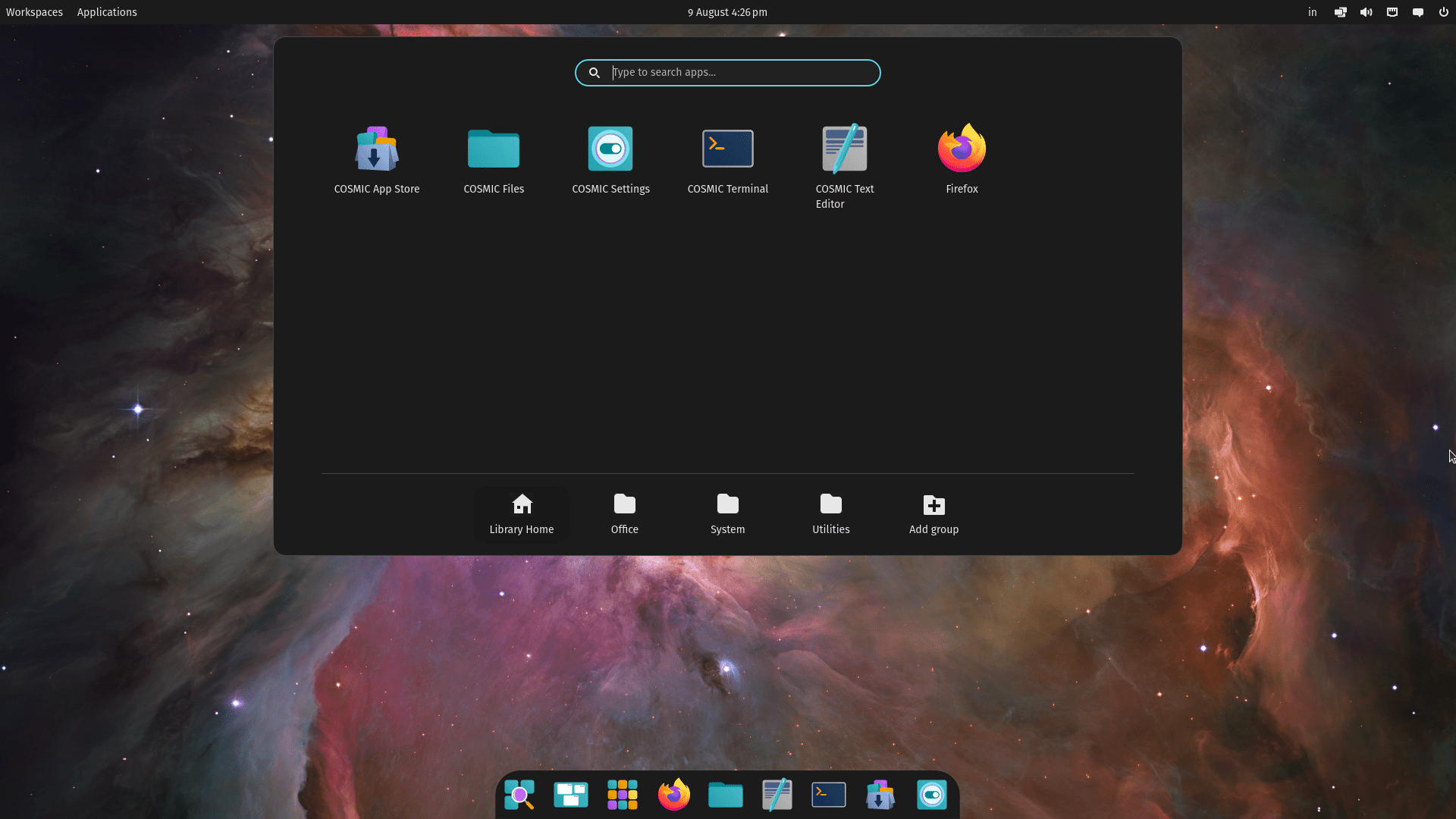
RakuOS Linux 44 (download here) is based on Fedora 44 and comes with GNOME 50, Plasma 6.6, COSMIC 1.0.13, and the CachyOS Kernel 7.0+. That kernel choice alone tells you who this distro is targeting. This is clearly aimed at Linux enthusiasts, gamers, performance nerds, and people who actually care about scheduler tweaks and hardware optimization.
The biggest improvement here is the overlay system. Frankly, the old behavior sounded miserable.
With the previous version, image updates could wipe overlays and force package reinstalls from scratch. That meant waiting through black screens, Plymouth hangs, package rebuilds, and potential headaches if your internet connection decided to cooperate at the worst possible moment. Laptop users probably wanted to throw their machines out a window.
RakuOS Linux 44 fixes that mess.
Now your installed apps stay intact after updates, while package rebuilding quietly happens in the background after login. Notifications keep you informed without constantly getting in your face, and if the system cannot access the network when needed, it simply retries later instead of panicking.
Even better, future image updates are now fully offline after the initial setup. That is a genuinely nice quality-of-life improvement, especially for an atomic-style Linux distro.
First boot should also be dramatically faster because the overlay is now pre-baked directly into the image. Instead of sitting around waiting for packages to install and configure themselves, the system basically arrives ready to go.
Driver handling also got cleaned up in a big way.
Rather than making users deal with DKMS nonsense locally, RakuOS now compiles drivers during image build time. NVIDIA drivers are pulled directly from NVIDIA’s upstream package and compiled against the CachyOS kernel ahead of release.
As somebody who has spent way too much time troubleshooting Linux graphics drivers over the years, I appreciate this approach more than I probably should.
The distro also ships with precompiled Xbox controller drivers like xpadneo, xpad-noone, xone, and zenergy. Small detail? Maybe. But Linux gamers know little hardware annoyances add up quickly.
Valve’s VRAM prioritization patches are included too. KDE users get support automatically, while GNOME and COSMIC users can access it through gamescope.
The software center got a major overhaul as well, and surprisingly, the COSMIC version was not treated like an afterthought. It now has feature parity with the GNOME and KDE editions, including app pages, add-ons, update handling, and installed app management.
GNOME extension management is now built directly into the software center too, which honestly makes way more sense than juggling separate apps just to install shell tweaks.
KDE users get KDE Store integration directly inside the app as well for themes, widgets, and Plasma customization.
Elsewhere, Flatpak support was cleaned up, web apps work better, Open Desktop Ratings Service reviews are integrated, and Brave Browser now ships in the software center out of the box.
One thing I actually respect here is the focus on build validation and testing. The project now runs ISO health checks before publishing releases, and desktop environments have to pass testing cleanly before anything ships.
That sounds obvious, but Linux veterans know not every distro is nearly this disciplined.
The project also introduced a staging-to-testing-to-stable workflow this cycle, and honestly, that maturity shows throughout the release notes.
If you are upgrading from a prior version, your installed packages should survive the process. The first boot after upgrading does require internet access for package rebuilding against Fedora 44 repositories, but afterward, updates can work offline.
That said, if your RakuOS Linux install was already acting weird because of overlay problems, I would probably just do a clean install and save yourself the aggravation.
Looking ahead, the roadmap is certainly ambitious. The developers are talking about Enterprise Linux editions based on CentOS Stream, a Plasma Bigscreen version for living room setups, and even a dedicated SteamOS-style gamescope image for gaming PCs and handhelds.
Will RakuOS suddenly become the next Fedora or Ubuntu? Probably not. The Linux world is littered with ambitious projects that burned bright for a few years before fading away.
Still, RakuOS Linux 44 feels like the first release where this distro stopped feeling like a hobby project and started feeling like something real.
Support independent tech journalism
NERDS.xyz is independently owned and operated. If you enjoy my coverage of Linux, AI, hardware, cybersecurity, and tech culture, consider supporting the site on Ko-fi.
Support NERDS.xyz