
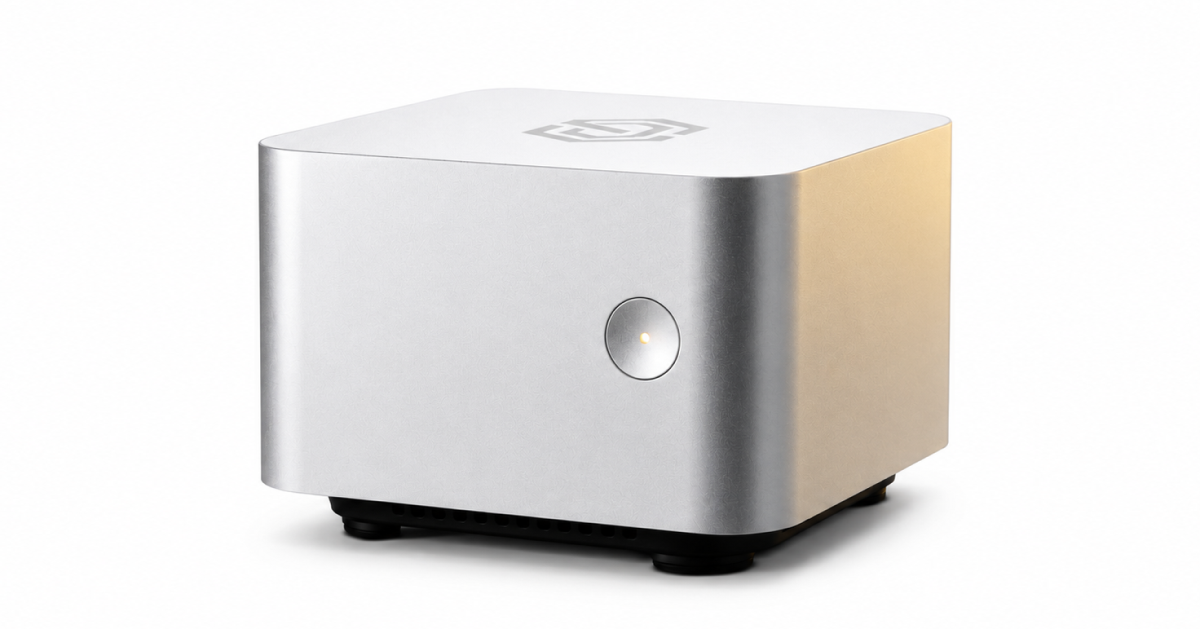
AI agents are quickly becoming one of the hottest trends in tech, but most people still rely on cloud services and traditional PCs to run them. SOLAI wants to change that with Solode Neo, a compact Linux-based AI computer designed to stay online around the clock and handle automation tasks directly from your home network.
The small desktop device (pre-order here) is built around the Intel Processor N150 and ships with 12GB LPDDR5 memory, a 128GB SSD, dual-band WiFi, Bluetooth, and Gigabit Ethernet. SOLAI pairs the hardware with its own Linux-based Solode AI OS, which comes preconfigured with automation tools and browser-based AI workflows.
Rather than positioning the system as a traditional high-performance workstation, Solode Neo seems focused on persistent background tasks and lightweight AI operations. The company says the device supports frameworks and tools such as Claude Code, OpenAI Codex, Gemini CLI, and Hermes, allowing developers and tinkerers to experiment with AI agents without leaving a machine running full-time on their primary computer.
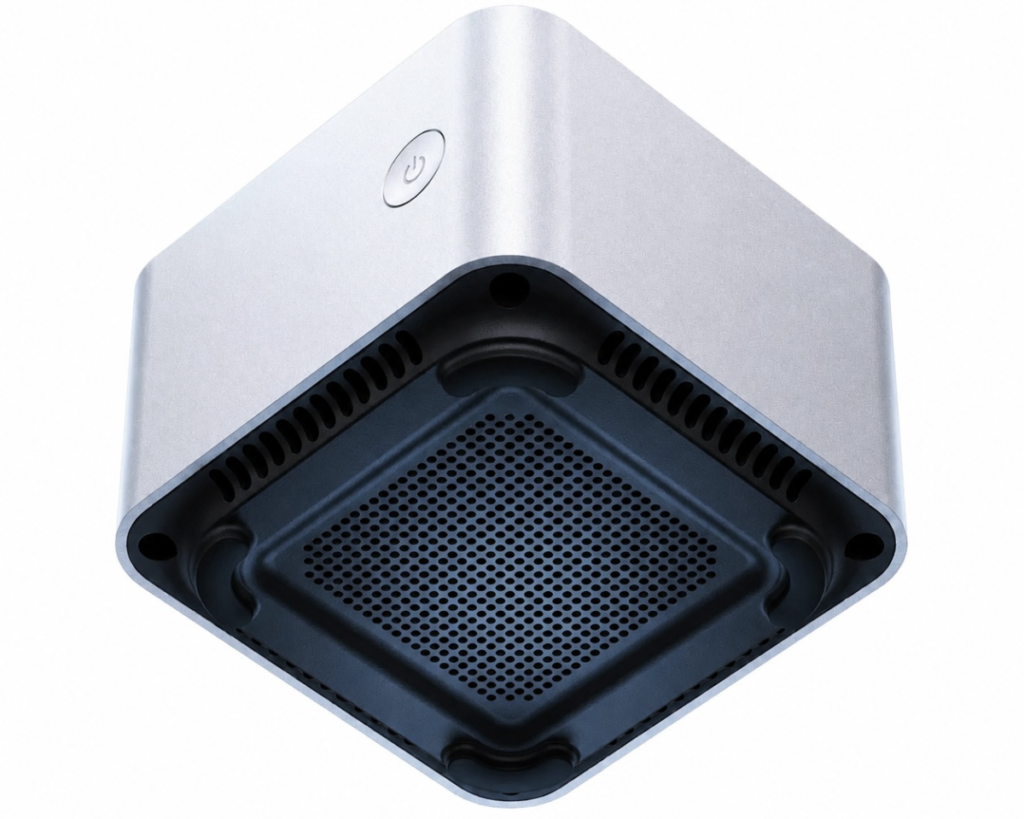
Still, some folks may question whether “AI computer” is the best description for the hardware inside. The Intel N150 and 12GB of RAM are better suited for lightweight automation, coding tools, and cloud-assisted workflows than running large AI models locally. That does not necessarily make the product less useful, but buyers expecting workstation-level AI performance may want to keep their expectations realistic before jumping in.
One of the more interesting parts of the setup is the emphasis on always-on automation. SOLAI says the system can run browser tasks continuously in the background while using the user’s residential internet connection. That could make the device appealing for scheduled workflows, monitoring tasks, coding assistants, web automation, and other persistent online activities.
Privacy also plays a major role in the company’s pitch. SOLAI says users control their own connections, API keys, and local environment rather than depending entirely on hosted infrastructure. For folks who are uncomfortable handing every workflow over to cloud providers, that message may resonate.
The hardware itself is modest but practical for the intended purpose. The Intel N150 is a low-power processor designed for efficiency rather than raw performance, making it a reasonable fit for an always-on appliance that quietly runs in the background throughout the day. While the system is unlikely to replace a serious AI workstation built for large local models, it does appear capable of handling lightweight automation and agent-based workloads.
At just $399, Solode Neo enters an increasingly crowded market of mini PCs and AI-focused appliances. What may help it stand out is the software layer and preconfigured experience. Plenty of Linux enthusiasts could build something similar on their own, but not everybody wants to spend hours configuring containers, automation frameworks, networking, and AI integrations from scratch.
For developers, homelab users, and curious Linux fans, Solode Neo may end up being less about raw hardware power and more about convenience, simplicity, and having a dedicated always-on AI companion sitting quietly on the network.
Support independent tech journalism
NERDS.xyz is independently owned and operated. If you enjoy my coverage of Linux, AI, hardware, cybersecurity, and tech culture, consider supporting the site on Ko-fi.
Support NERDS.xyz
1 thought on “SOLAI launches $399 Solode Neo Linux AI computer for always-on automation”
Comments are closed.