

If you like the idea of a Linux-first desktop that does not feel like a generic tower from a big box brand, the new System76 Thelio Mira might catch your attention. System76 has announced a redesigned version of its handcrafted professional desktop, and the update focuses on stronger performance, easier repairability, and a refined industrial design that looks more like lab equipment than flashy gaming gear.
The first thing you notice is the exterior redesign. The front panel now features a monolithic tempered glass facade paired with a vertically oriented milled metal control bar that integrates the power button and front ports. The result is a clean and restrained look that avoids the RGB overload common in many enthusiast systems.
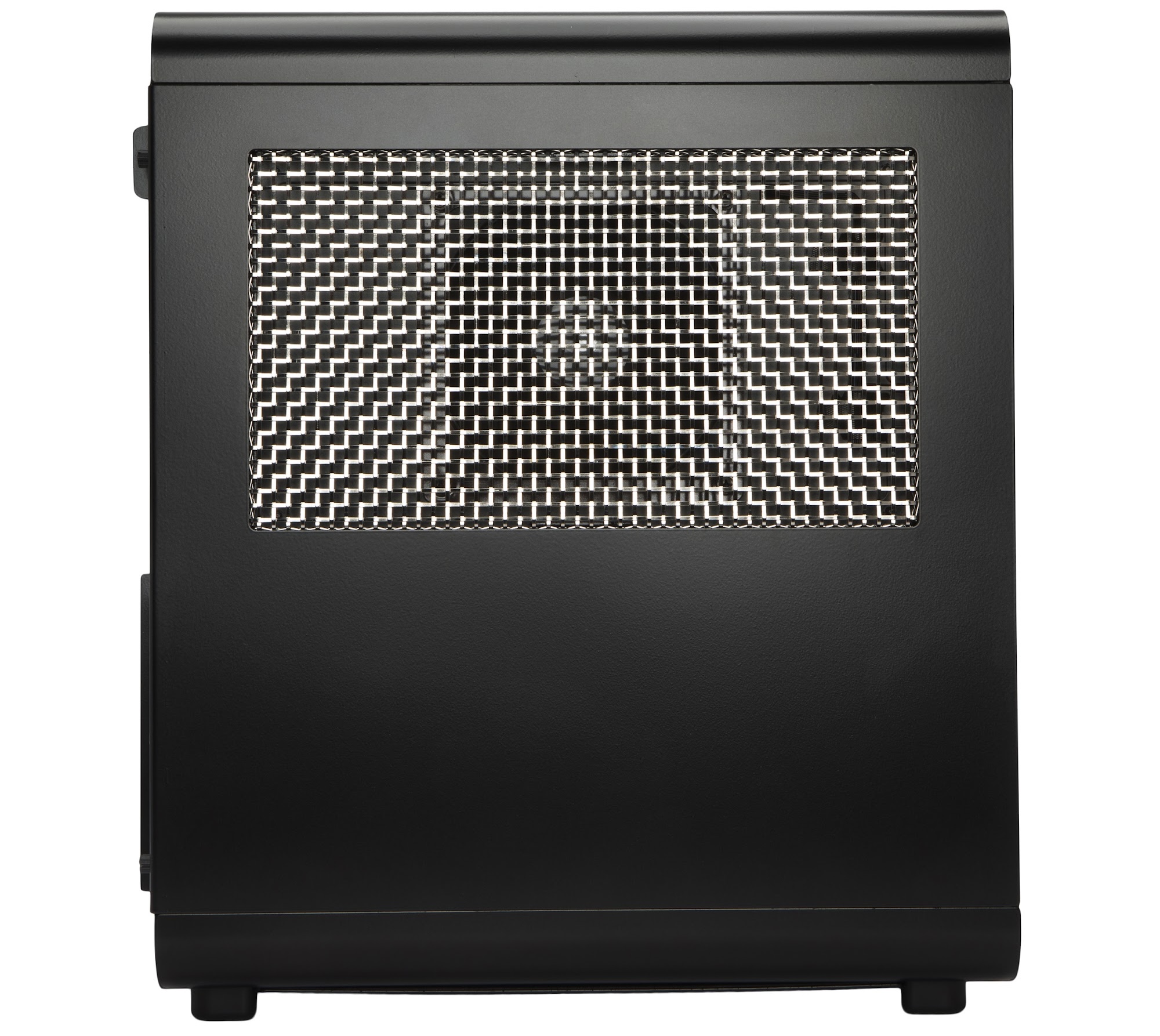
System76 describes the design philosophy as “Precision Industrialism.” In practical terms, that means simple materials, durable construction, and a form that emphasizes function. Soft radiused edges soften the enclosure, while a steel mesh side panel exposes the airflow system rather than hiding it.
Of course, aesthetics only matter so much on a workstation. System76 says the real improvements come from a redesigned thermal architecture. The company claims the new design can increase CPU clock speeds by up to 19 percent while reducing operating temperatures by as much as 13.5 degrees.
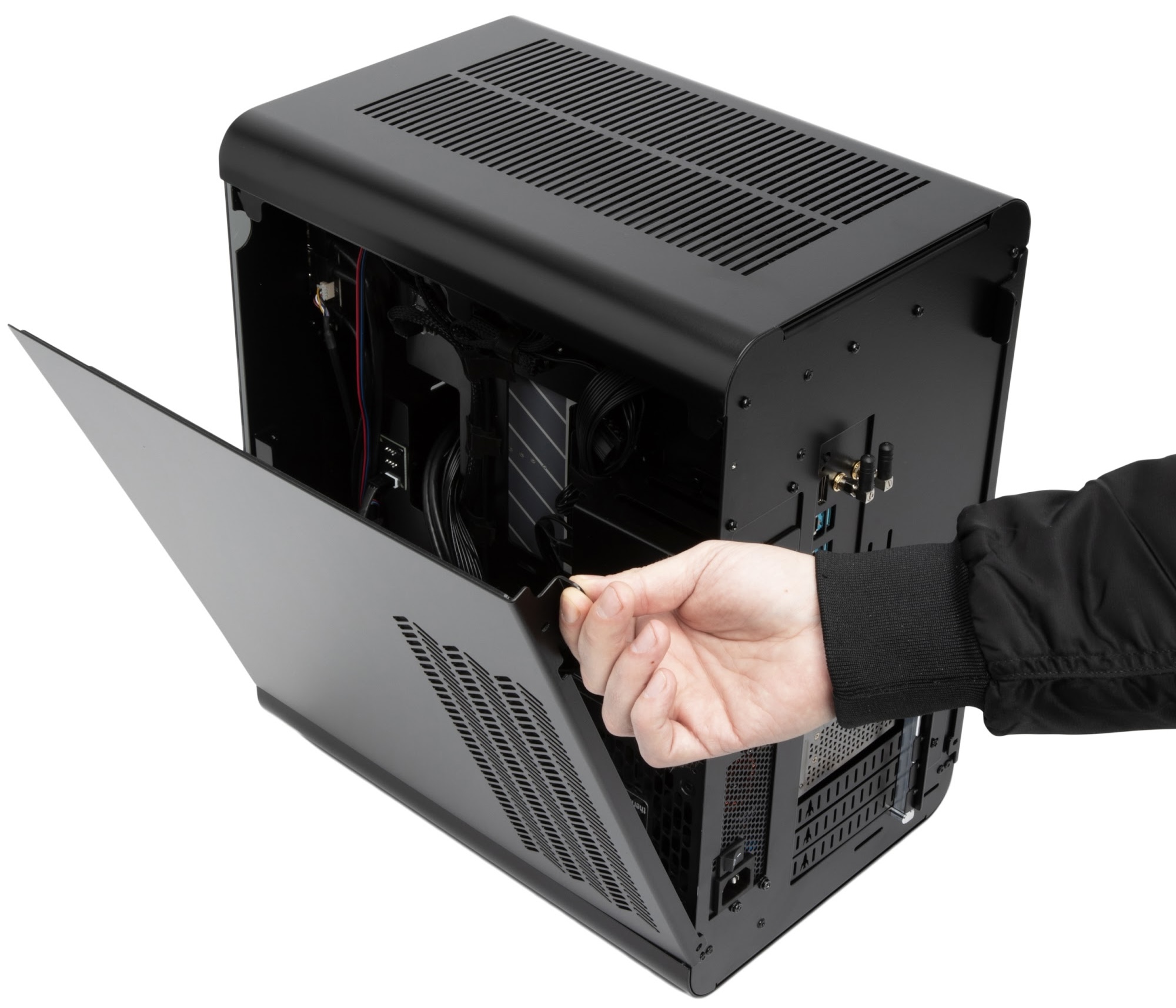
Liquid cooling plays a major role here. By keeping the processor cooler during sustained workloads, the system can maintain higher clock speeds for longer periods without excessive fan noise. That kind of stability matters for workloads such as AI development, data analytics, scientific research, robotics programming, and high end gaming.
Inside, the Thelio Mira is built around the AMD X870 platform using an ASRock X870 Pro RS WiFi motherboard running System76 firmware. The system supports the full lineup of AMD Ryzen 9000 series processors, giving buyers a wide range of performance options.
CPU configurations include the Ryzen 9 9950X3D, Ryzen 9 9950X, Ryzen 9 9900X, Ryzen 7 9800X3D, Ryzen 7 9700X, and Ryzen 5 9600X. That means users can build anything from a strong midrange workstation to a seriously powerful development machine.
Memory support is equally flexible. Thelio Mira supports up to 192GB of dual channel DDR5 memory using four DIMM slots. Larger configurations such as 192GB and 128GB operate at 3600MHz, while smaller setups like 96GB, 64GB, or 32GB run at 5600MHz. A single 16GB module runs at 5200MHz. The underlying motherboard technically supports up to 256GB with overclocking, although System76 does not officially test that configuration.
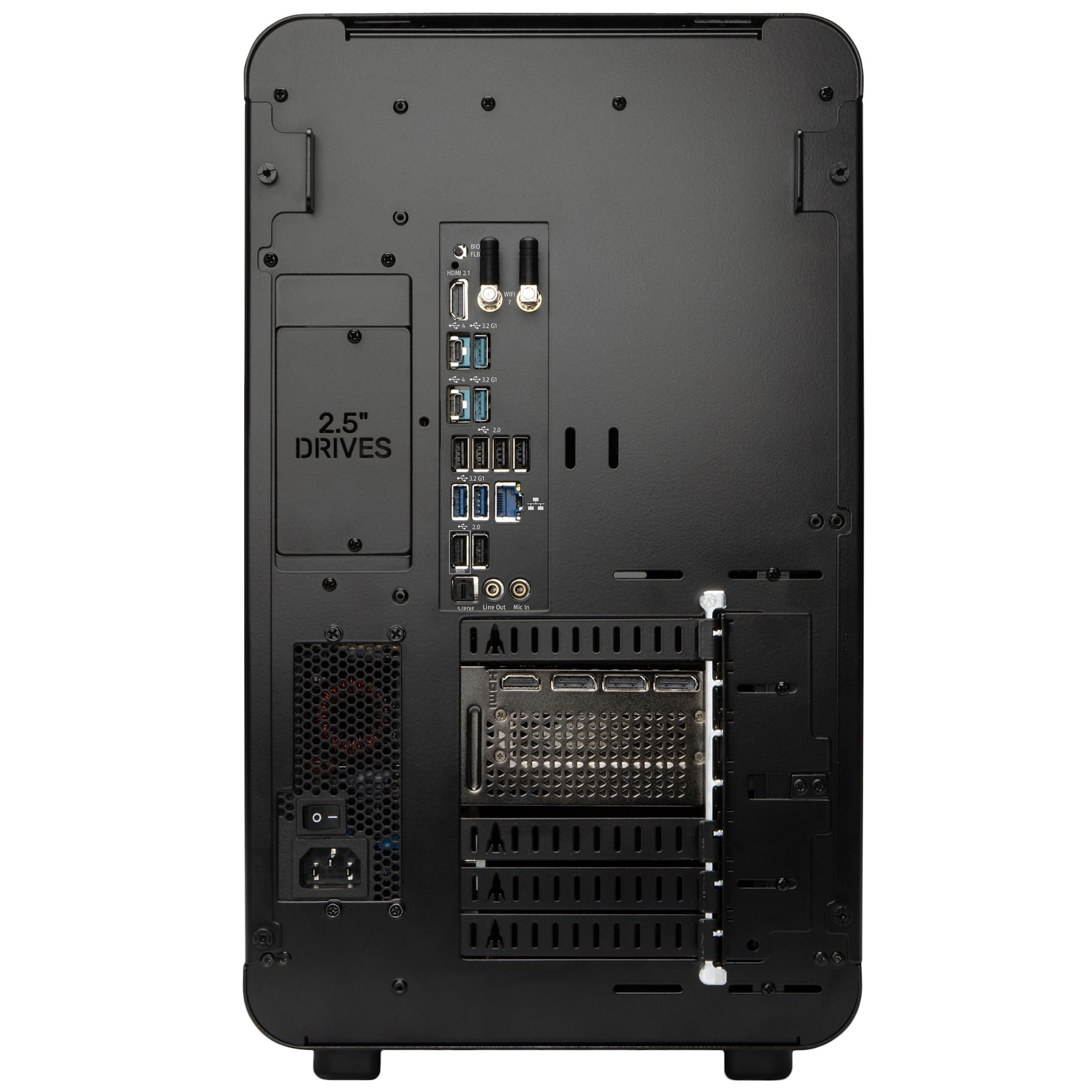
Graphics support focuses on a single high performance GPU. The primary PCIe 5.0 x16 slot supports up to a three slot card, with clearance for GPUs up to 358mm long. Tested graphics options include integrated graphics, the NVIDIA GeForce RTX 5090, RTX 5080, RTX 5070 Ti, RTX 5060 Ti, and RTX 5050, as well as the AMD Radeon RX 9070 XT. A powerful GPU like the RTX 5090 requires a 1000W power supply.
Expansion options include the main PCIe 5.0 x16 GPU slot and a secondary PCIe 4.0 x4 slot that can physically fit x16 cards but runs at reduced bandwidth. Installing a second NVMe drive in the Gen4 M.2 slot disables that secondary PCIe slot, which is a common tradeoff on compact workstation boards.
Storage support is generous. The system includes one PCIe Gen5 NVMe slot, one PCIe Gen4 NVMe slot, and one PCIe Gen3 NVMe slot, along with two 2.5 inch SATA III drive bays. Combined, these allow a system to reach extremely large storage capacities depending on the configuration.
Networking includes 2.5 Gigabit Ethernet via the Realtek RTL8125BG controller, along with WiFi 7 and Bluetooth 5.2 through MediaTek wireless modules. USB connectivity is also plentiful. Rear I O includes two USB4 Type C ports, four USB 3.2 Gen1 Type A ports, and six USB 2.0 ports. The front panel adds one USB 3.2 Gen2 Type C port and two USB 3.2 Gen1 Type A ports.
Audio support comes from a Realtek ALC1220 chipset with up to 7.1 channel output. Rear connections include line out, microphone input, and S PDIF digital audio, while the front panel features a combined headphone and microphone jack. Depending on the graphics card used, audio can also be delivered over HDMI, DisplayPort, or USB C DisplayPort connections.
Power is delivered through an SFX form factor power supply with a minimum rating of 750W. Higher end GPU configurations, such as those using the RTX 5090, require a 1000W unit. System76 has tested units like the Lian Li SP1000P and Thermaltake Toughpower Platinum 1000W models.
Beyond raw specs, repairability remains a core design goal. Magnetic panels provide quick access to the interior, while the layout is designed to make upgrades straightforward. A removable bottom dust filter helps keep airflow clear and maintain long term performance.
Like other Thelio systems, the Mira is designed and manufactured at the System76 factory in Denver, Colorado. The company uses tempered glass, aluminum, and steel components, and small construction details such as hardened steel PEM fasteners help ensure durability over years of upgrades and maintenance.
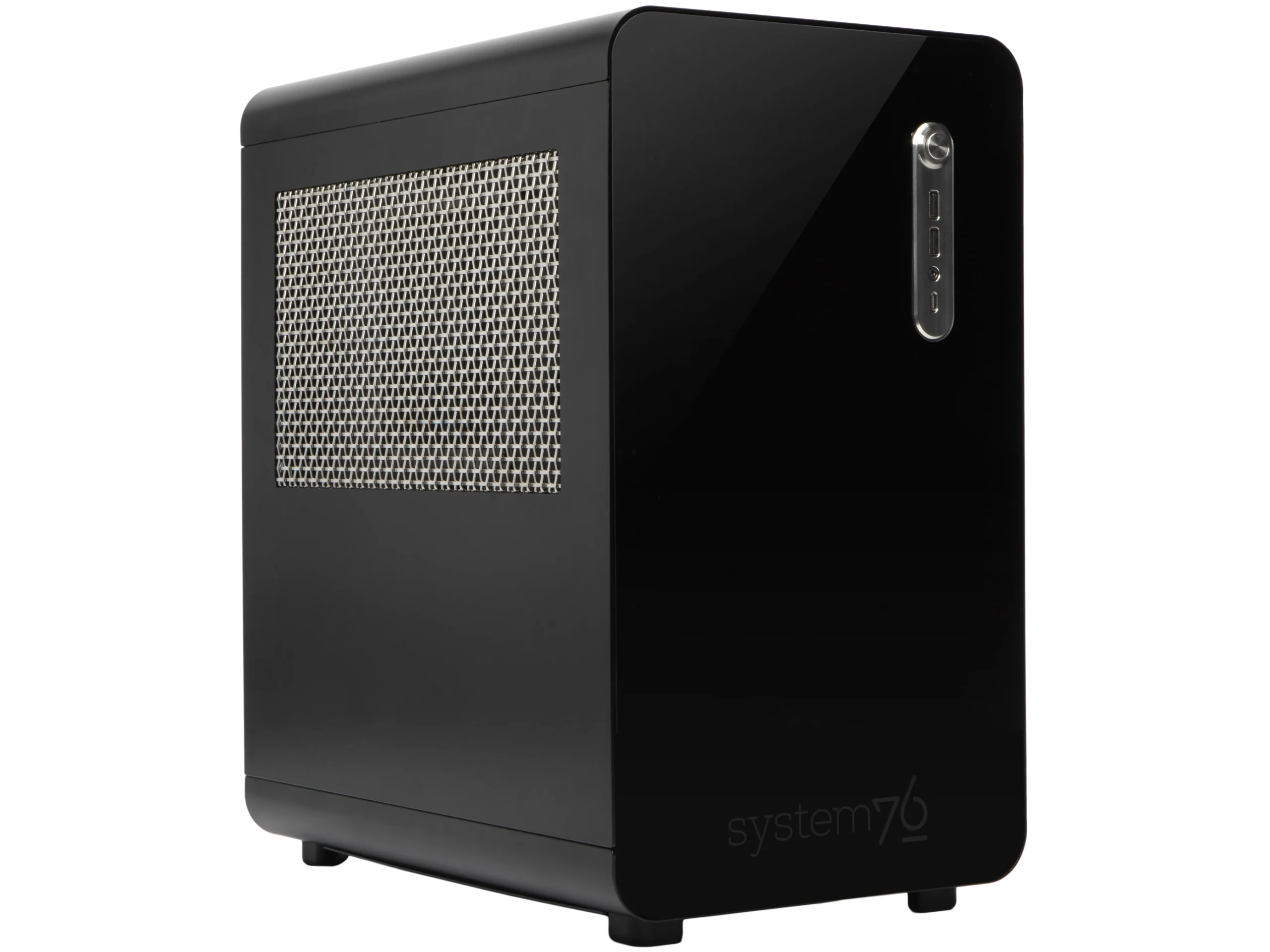
Physically, the system measures 44.0cm by 25.4cm by 38.4cm. It is not tiny, but the size allows for proper airflow, large GPUs, and easier component access.
System76 is offering the new Thelio Mira in several configurations depending on how much power you need. The base Mira Custom model starts at $1,699 and can be configured with hardware all the way up to a 16 core Ryzen 9 9950X3D processor, 192GB of DDR5 RAM, 28TB of storage, and an NVIDIA RTX 5090 graphics card for those who want a serious workstation or gaming machine.
For buyers who prefer a ready made configuration, System76 is also offering a couple of preset builds. The Thelio Mira Premium starts at $4,299 and includes a 16 core AMD Ryzen 9 9950X processor, 64GB of DDR5 RAM running at 5600MHz, a 2TB PCIe 5.0 SSD, and an NVIDIA RTX 5070 with 12GB of VRAM. Stepping things up slightly, the Thelio Mira Elite costs $4,799 and ships with the same Ryzen 9 9950X processor, 96GB of DDR5 memory at 5600MHz, 4TB of PCIe storage, and a 16GB AMD Radeon RX 9070 XT graphics card.
As always with System76 systems, the appeal goes beyond raw specifications. These machines are designed specifically with Linux users in mind and are built, assembled, and tested in Denver before shipping. For developers, researchers, or Linux enthusiasts who want powerful hardware without worrying about driver compatibility, the new Thelio Mira should be worth a look.
Support independent tech journalism
NERDS.xyz is independently owned and operated. If you enjoy my coverage of Linux, AI, hardware, cybersecurity, and tech culture, consider supporting the site on Ko-fi.
Support NERDS.xyz