
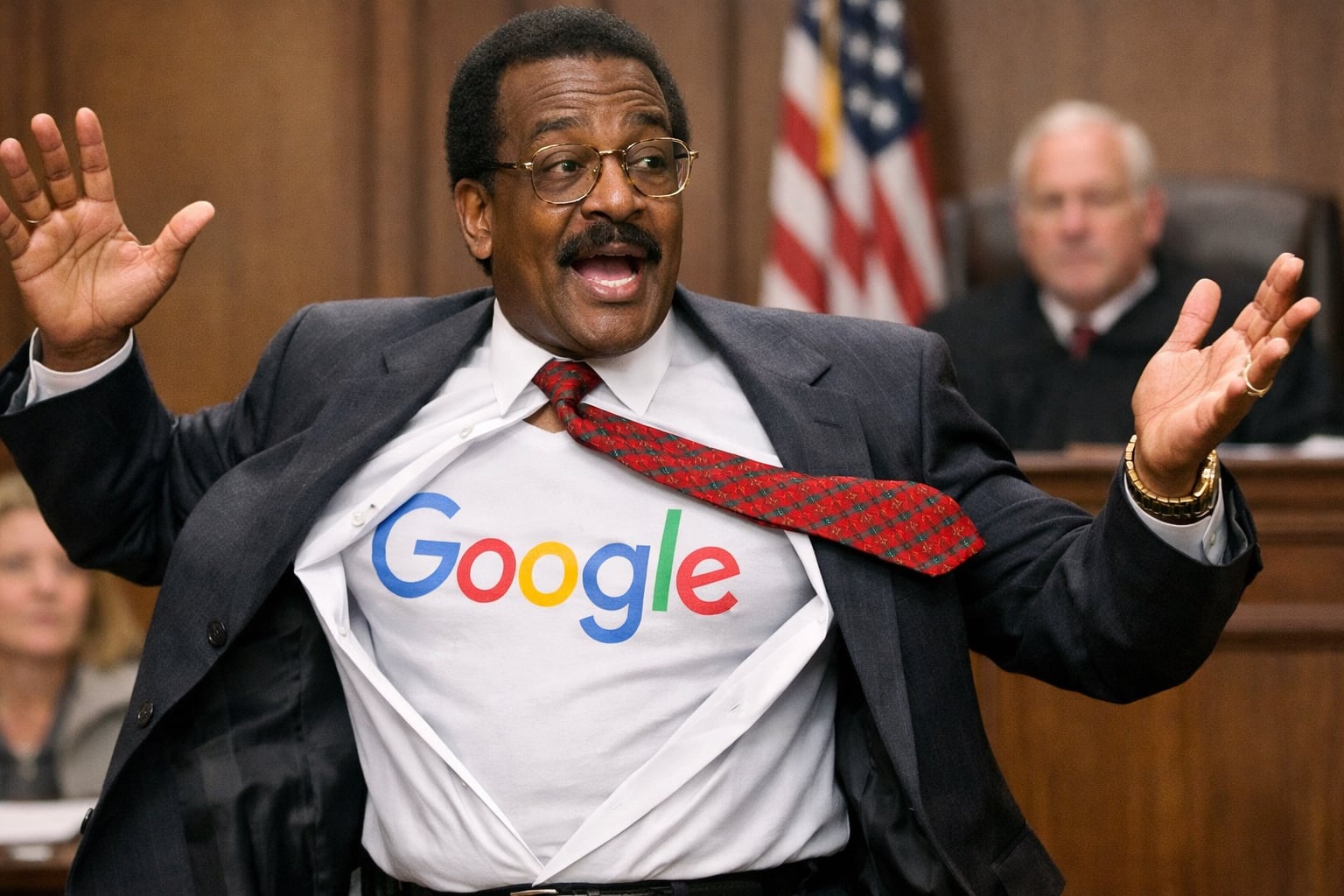
Google is taking legal action against SerpApi, and while lawsuits between tech companies are nothing new, this one cuts straight to an issue that keeps getting messier by the year. Scraping, ownership, and who gets to profit from other people’s content are increasingly tangled questions. Google says SerpApi crossed a line by deliberately bypassing security protections and ignoring site owners’ instructions about how their content can be accessed.
At the core of the complaint is Google’s claim that it follows industry standard crawling rules and respects website directives that limit or block access. According to the company, SerpApi does the opposite, disguising its crawlers, rotating fake bot identities, and using large bot networks to pull data at scale even when sites explicitly opt out. If accurate, that behavior goes well beyond casual data collection and into deliberate efforts to defeat safeguards meant to protect copyrighted material.
The more complicated part is that this dispute is not simply about protecting independent websites. Google also argues that SerpApi is taking content that Google itself licenses from third parties, including images and real time data used in certain Search features, and then reselling that data for a fee. That framing positions Google not just as an intermediary, but as a rights holder defending licensed assets.
Google says the lawsuit is a last resort, after investing heavily in technical defenses to block malicious scraping. It also notes that other websites have sued SerpApi and similar services, suggesting a broader industry backlash against large scale scraping businesses that operate in legal gray areas.
Still, Google’s role here invites some skepticism. The company has built its dominance on crawling, indexing, and monetizing vast amounts of web content, often extracting value far beyond what most publishers receive in return. When Google presents itself as a guardian of website choice, critics are likely to question where the line is drawn between acceptable aggregation and unacceptable reuse.
However the case plays out, it highlights a growing tension on the modern web. Scraping is becoming easier, more automated, and more profitable, while the rules governing consent and ownership remain unsettled. This lawsuit may help clarify those boundaries, but it also underscores how unevenly power is distributed when one of the world’s largest data brokers argues that someone else is scraping too far.
Support independent tech journalism
NERDS.xyz is independently owned and operated. If you enjoy my coverage of Linux, AI, hardware, cybersecurity, and tech culture, consider supporting the site on Ko-fi.
Support NERDS.xyz