
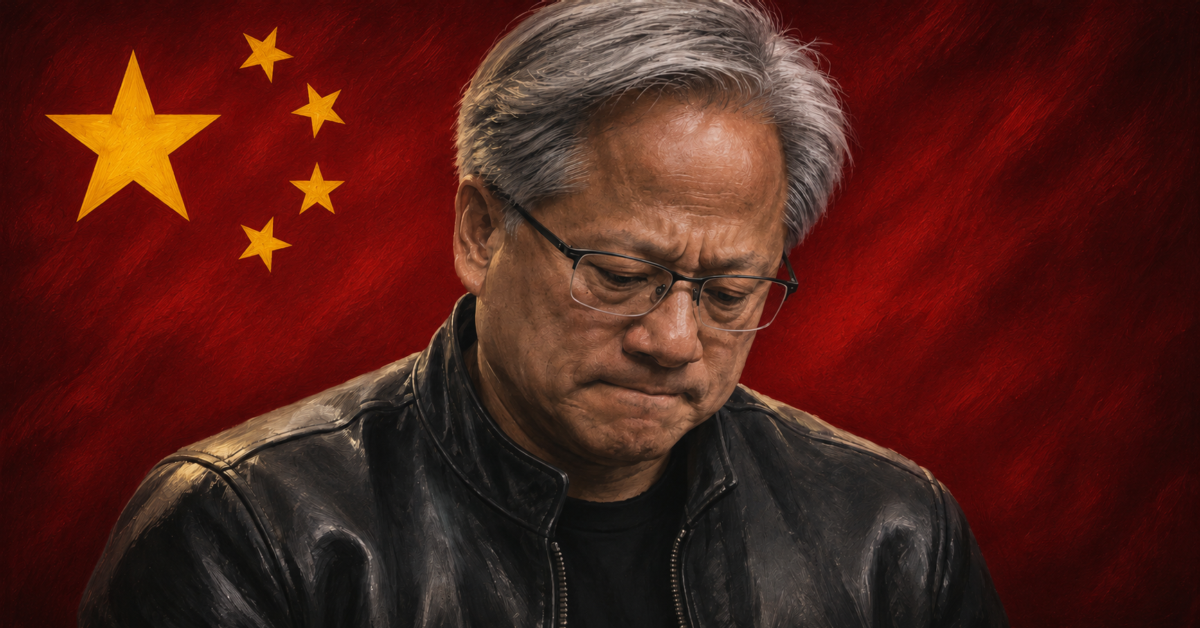
Jensen Huang owes Nvidia more than an apology. After acknowledging an affair with a business executive whom U.S. intelligence officials reportedly identified as a Chinese spy, the chief executive now faces an investigation that raises uncomfortable questions about his judgment, his earlier assurances, and his ability to protect the company he helped build.
According to The New York Times, Huang acknowledged the relationship to Nvidia’s board. The woman, Alice Huang, is associated with Megaspeed, a Singapore-based data center company that became a major buyer of Nvidia chips. The two are not related.
Nvidia’s board statement confirms that independent directors, assisted by outside independent counsel, will oversee an investigation into reports that Huang was targeted by foreign intelligence. The board expressed confidence in Huang and said it currently has no reason to believe national security or Nvidia secrets were compromised.
That last point matters, and it should not get buried beneath a sensational headline. An affair does not establish that Huang knowingly assisted Chinese intelligence, disclosed confidential information, or violated export restrictions. Those are separate questions, and the investigation has not supplied the answers.
Still, I am disappointed in Huang. Leading a company with Nvidia’s influence requires judgment that extends well beyond designing products, selling chips, and delivering an impressive presentation in a leather jacket. Based on the reporting, his handling of this relationship falls far short of what employees, customers, and shareholders should expect.
In his apology to colleagues, Huang said, “I was unfaithful to my wife. My actions hurt her and our children. There is no excuse for what I did. I am deeply sorry.” He also pledged to cooperate with the investigation and work to regain the confidence of the people who depend on him.
His family deserves privacy, and the personal harm is theirs to process. The corporate consequences, however, are a legitimate subject of scrutiny when the reported relationship involves an executive connected to a major customer and allegations of foreign intelligence activity.
The Times reports that Megaspeed bought more than $4.8 billion in chips since June 2024. It also reports that the Commerce Department had been investigating whether the company helped smuggle restricted AI chips to China, and that Nvidia continued doing business with it.
Those circumstances make the reported relationship much more consequential than an embarrassing personal disclosure. They warrant an examination of potential conflicts of interest, how commercial decisions were made, and whether Nvidia’s internal safeguards operated independently of its powerful chief executive.
The earlier public explanation is particularly troubling. According to the Times, Huang previously characterized his dealings with Alice Huang as routine interactions related to Megaspeed, while Nvidia pushed back against concerns about their relationship.
If the account of his admission to the board is accurate, that earlier explanation left out information essential to understanding those concerns. How can employees and shareholders evaluate assurances about a sensitive relationship when they have not been given an accurate picture of its nature?
That is a leadership failure even before investigators determine whether confidential information was exposed. Trust depends on giving people enough truthful information to make informed decisions, especially when those people are responsible for overseeing your conduct.
Huang’s accomplishments do not make that obligation disappear. Building an enormously successful business should increase the expectation of accountability, because more employees, customers, and investors are affected when its leader exercises poor judgment.
The board now has its own credibility to protect. It says the inquiry will examine all available information, and that commitment needs to produce a review capable of challenging Huang’s account and scrutinizing Nvidia’s earlier responses.
In my view, that should include who knew about the relationship, when they knew it, whether it was disclosed through appropriate channels, and whether it affected decisions involving Megaspeed. Investigators should also examine the basis for the company’s public assurances, rather than treating those assurances as established facts.
Huang is continuing to lead Nvidia during the review, according to the reporting. Whether that remains appropriate should depend on the evidence and his cooperation, with meaningful consequences available if investigators uncover further failures.
I am not going to declare Huang guilty of espionage based on an affair and reported intelligence findings about someone else. But I am also not going to pretend his success excuses the judgment described here. Nvidia’s employees and shareholders deserve answers, and Huang needs to demonstrate that his accountability extends beyond an apology.
Support independent tech journalism
NERDS.xyz is independently owned and operated. If you enjoy my coverage of Linux, AI, hardware, cybersecurity, and tech culture, consider supporting the site on Ko-fi.
Support NERDS.xyz