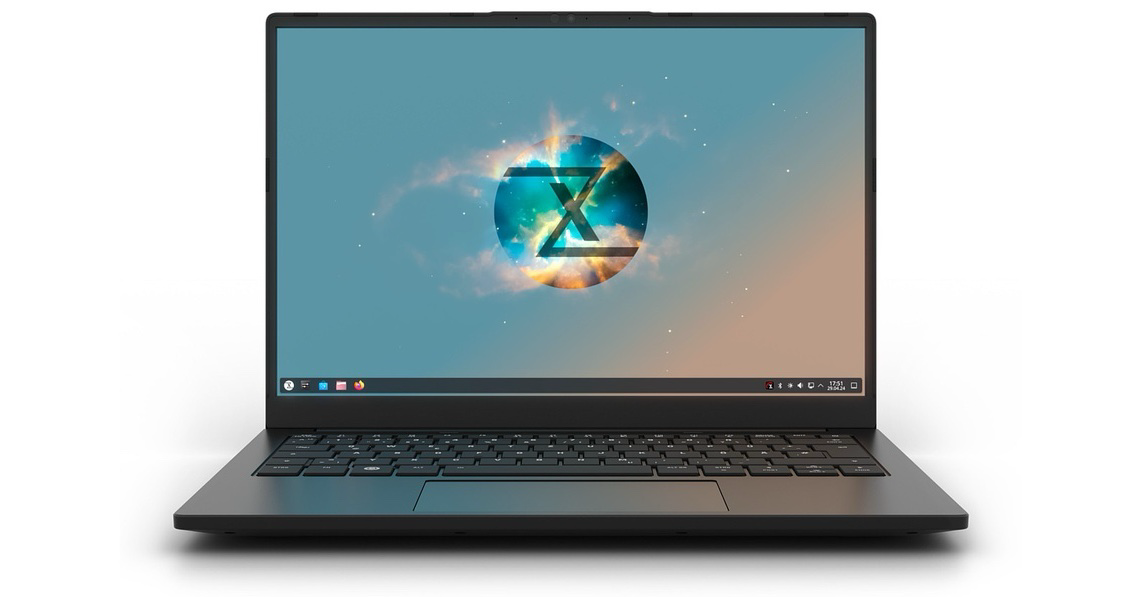
TUXEDO OS is preparing for a pretty big change. The Linux distribution from TUXEDO Computers is ditching its Ubuntu foundation and moving to Debian Testing, with an open beta now available for people willing to put the next generation of the operating system through its paces.
The open beta itself is noteworthy, but the change underneath it is the much bigger story. TUXEDO says future versions of TUXEDO OS will use Debian Testing as their permanent base. In other words, this isn’t an experiment that will disappear after the beta. Ubuntu is on the way out.
TUXEDO calls its new approach “Continuous Debian.” The idea is to retain the hybrid release model of TUXEDO OS while giving the company a more flexible and continuously updated foundation. Important components such as the Linux kernel, web browsers, and graphics stack will continue receiving frequent updates.
For users, plenty of things should remain familiar. TUXEDO OS will continue using KDE Plasma as its desktop environment, and Debian’s package management ecosystem obviously isn’t a huge departure for anyone accustomed to an Ubuntu-based distribution. Underneath the desktop, however, TUXEDO will have considerably more direct control over the foundation of its operating system.
One particularly interesting addition is Btrfs as the default filesystem. TUXEDO OS will pair it with Snapper to provide automatic system snapshots. Snapshots will be created before and after package management operations, including software installations and updates, giving users a way to roll back when something goes wrong. Manual snapshots will also be available.
Using Debian Testing as a permanent foundation does raise an obvious question about security. Debian Testing handles security updates differently than Debian Stable, so TUXEDO says it is building its own security infrastructure to compensate.
The company operates its own package repositories and is developing automated vulnerability monitoring using public CVE sources and the Debian Security Tracker. When necessary, TUXEDO says it can pull security fixes from Debian Unstable or provide dedicated backports rather than waiting for packages to make their normal journey through Debian Testing. TUXEDO OS will also use its own Linux kernel packages based on Debian’s kernel packaging infrastructure.
That’s an important part of this transition. Simply rebasing a desktop operating system on Debian Testing would be one thing. TUXEDO is instead trying to build additional infrastructure around Testing so it can maintain the faster-moving desktop experience its customers expect.
There is one potentially painful detail for existing TUXEDO OS users. TUXEDO does not plan to offer an in-place crossgrade from the current Ubuntu-based release to the upcoming Debian-based generation. Users who want to make the jump will need to perform a clean installation. The company says it plans to provide a migration guide for transferring personal data before the final release.
For now, TUXEDO is making it very clear that the Debian version remains beta software. The company recommends installing it in a non-production environment and warns that bugs, regressions, and incomplete functionality should be expected.
TUXEDO is asking testers to pay attention to more than crashes. It wants feedback about installation, updates, KDE Plasma, displays, Wi-Fi, Bluetooth, audio, webcams, suspend and resume behavior, graphics, gaming, development environments, peripherals, docking stations, snapshots, performance, and general usability. Even interactions that simply feel confusing or unnecessarily complicated are considered useful feedback.
Moving away from Ubuntu is a fascinating decision for TUXEDO OS. Ubuntu has long provided Linux distributions with a convenient foundation, but going directly to Debian gives TUXEDO an opportunity to control more of its own software stack without another distribution sitting between it and Debian.
Whether “Continuous Debian” delivers the combination of freshness and reliability TUXEDO is aiming for will ultimately depend on how well the company maintains all of that additional infrastructure. Debian Testing can provide a very current Linux desktop, but TUXEDO is also taking on more responsibility by choosing it.
That’s why this open beta matters. TUXEDO isn’t merely testing another release of its Linux distribution. It is testing the Debian-based foundation that it intends to build TUXEDO OS on going forward.
Support independent tech journalism
NERDS.xyz is independently owned and operated. If you enjoy my coverage of Linux, AI, hardware, cybersecurity, and tech culture, consider supporting the site on Ko-fi.
Support NERDS.xyz