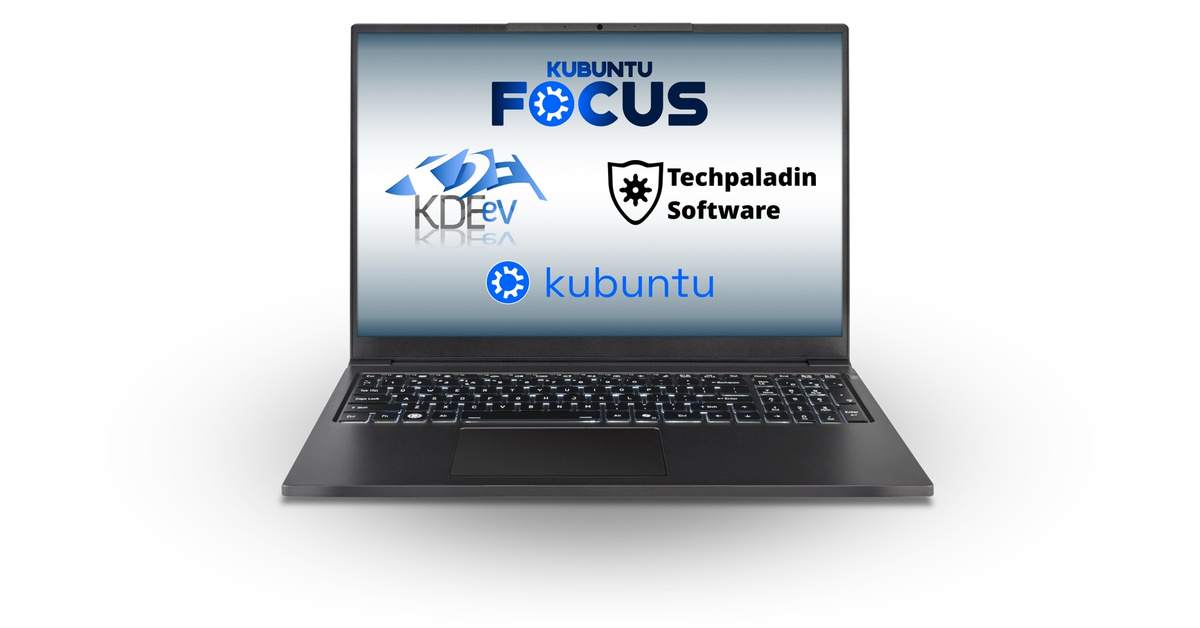
Linux users often face a choice between running the latest desktop software or sticking with an older release in the name of stability. Kubuntu Focus, Techpaladin Software, and KDE are now trying to offer another option, with a three-year effort centered on KDE Plasma 6.6 LTS.
Kubuntu Focus has committed more than $100,000 over three years to support what the organizations are calling the “bullet-proof KDE Software initiative.” The money will go toward bug fixes, security updates, development work, and infrastructure supporting Plasma 6.6 LTS and related KDE software.
The initiative is specifically tied to Kubuntu 26.04 LTS and is aimed at individuals, businesses, and public institutions that want a stable Linux desktop without giving up ongoing KDE maintenance.
Part of the funding will go directly to Techpaladin Software, KDE e.V., and developers. KDE e.V. will also receive funding for three additional continuous integration nodes that will test KDE software against Kubuntu 26.04 LTS throughout the support period.
The idea addresses a familiar problem with desktop Linux. Running a newer KDE Plasma release can provide new features and bug fixes, but upgrades can also introduce regressions. Staying on an older release can provide consistency, but eventually that software may stop receiving fixes upstream.
By continuing to maintain Plasma 6.6 LTS for the three-year Kubuntu 26.04 LTS support period, the organizations hope to provide a more predictable middle ground.
Kubuntu Focus Technical Product Manager Michael Mikowski also makes it clear which proprietary operating system the company has in its sights.
“Kubuntu Focus now ships all our systems with the ‘bullet-proof KDE Software Suite’ as part of Kubuntu 26.04 LTS,” said Mikowski. “When combined with hardware integration and support, this provides convenience, performance, and reliability that rivals proprietary systems. Unlike those proprietary systems, however, there is no forced AI, desktop ads, OS surveillance, or required cloud accounts.”
That last part is likely to resonate with some Windows users. Microsoft has increasingly integrated artificial intelligence and cloud services into Windows, while Microsoft accounts have become increasingly difficult to avoid during the normal Windows setup process. Linux distributions such as Kubuntu offer a very different approach, although switching operating systems can bring its own software and hardware compatibility compromises.
Techpaladin Software CEO Nate Graham says long-term support for Plasma 6.6 should help companies shipping KDE-based products provide a more consistent experience.
“Techpaladin Software’s north star is KDE, so we’re always very excited to partner with companies bringing KDE’s software to the general public through retail products, as Kubuntu Focus is,” said Graham. “Offering long-term support for Plasma 6.6 is a great way to ensure those products provide the KDE experience that people deserve.”
KDE e.V. president Aleix Pol also welcomed the additional investment in stability.
“It’s good to see KDE’s patrons rallying around to collaborate on something as fundamental as stability. In KDE and Plasma we know how important it is to offer a system that can be trusted. I’m looking forward to seeing the very tangible impact this project will have.”
Despite the “bullet-proof” branding, nobody should interpret the initiative as a promise that KDE Plasma will suddenly become immune to bugs or security problems. Software does not work that way. What matters here is the commitment to continue fixing those problems rather than leaving an LTS desktop frozen on increasingly old components.
The resulting KDE software suite currently ships with Kubuntu 26.04 LTS, but the project is open source and isn’t intended to remain exclusive to Kubuntu Focus hardware. Other vendors are being encouraged to distribute the software, contribute to it, and provide additional sponsorship.
For Linux desktop users, three years may not sound especially dramatic. For businesses considering replacing Windows PCs, however, a defined maintenance period backed by actual money could make KDE Plasma considerably easier to evaluate. The bigger question is whether other Linux hardware vendors and organizations will join the effort or leave Kubuntu Focus footing most of the bill.
Support independent tech journalism
NERDS.xyz is independently owned and operated. If you enjoy my coverage of Linux, AI, hardware, cybersecurity, and tech culture, consider supporting the site on Ko-fi.
Support NERDS.xyz