For years, tech companies promised AI would help people find information faster. Now, it seems the next phase is getting people to buy things without ever leaving the chatbot.
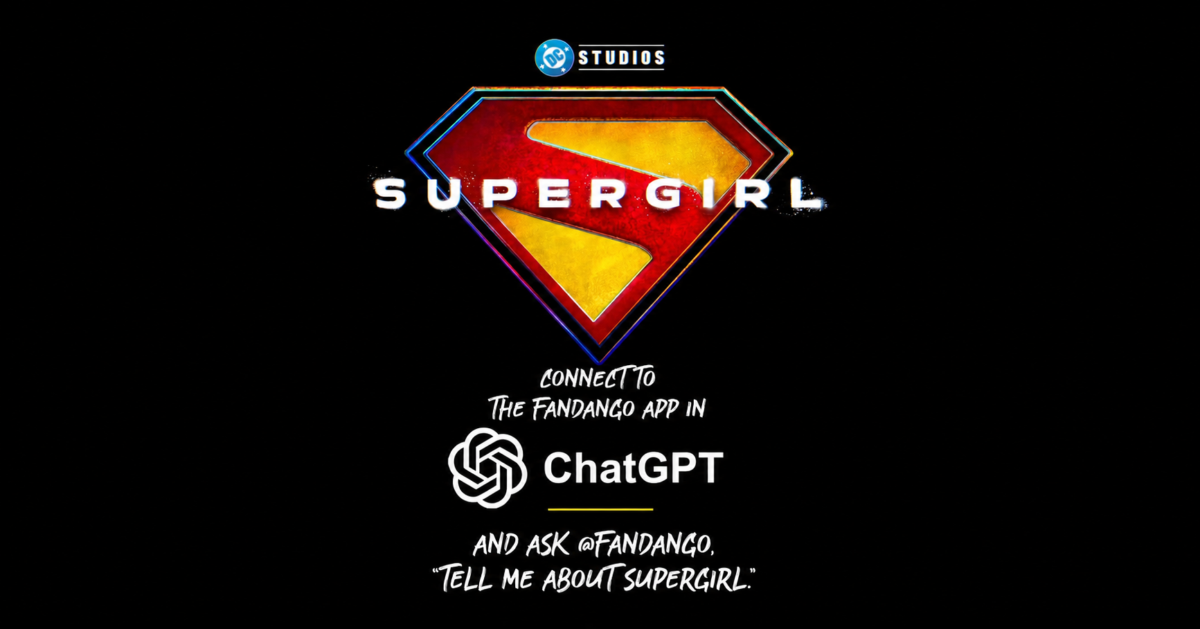
That future took another step forward this week as Warner Bros. Pictures, Fandango, and OpenAI announced a new integration tied to Supergirl. Users can now ask ChatGPT about the movie through Fandango’s integration and move from discovery to buying tickets directly inside the AI experience.
On paper, it sounds convenient. Ask about a movie, see showtimes, buy tickets, done. No browser tabs, no search engine, no separate app hunting. But if you zoom out for a second, this feels a lot bigger than comic book movie marketing.
ChatGPT is slowly evolving from an assistant into a storefront.
That matters because the web has traditionally been built around links. You search Google, browse websites, compare options, maybe read reviews, and eventually decide what to buy. AI changes that flow entirely. Instead of sending users across the web, these systems increasingly want to keep people inside the chatbot itself for the entire experience.
Honestly, folks should probably pay attention to that.
This Supergirl promotion may seem harmless enough, but it opens the door to a future where AI tools become heavily commercialized recommendation engines. Today it is movie tickets. Tomorrow it could be restaurants, electronics, hotels, or political messaging. Once AI platforms become transaction platforms, the incentives change quickly.
And let’s be real here. If studios can pay for enhanced experiences inside ChatGPT, how long before every blockbuster fights for preferential placement? How long before AI recommendations start looking suspiciously similar to sponsored search results?
Hollywood’s relationship with AI has also become increasingly strange. The entertainment industry spent the past couple years warning about AI replacing writers, artists, and actors. At the same time, studios are now eagerly embracing AI as a direct sales and engagement channel. That contradiction is hard to ignore.
There is also a broader consequence for publishers and websites. If users discover movies, buy tickets, and consume recommendations entirely through AI chat interfaces, fewer people may ever visit entertainment sites, blogs, or even Google Search results in the first place. AI companies are not just competing with search engines anymore. They are competing with the open web itself.
To be clear, I am not saying this particular integration is evil. Plenty of people will probably enjoy the convenience. But this absolutely feels like one of those moments we may look back on later and realize it quietly changed how online commerce works.
The chatbot era is starting to look a lot less like search and a lot more like shopping mall capitalism wrapped in conversational AI.
Support independent tech journalism
NERDS.xyz is independently owned and operated. If you enjoy my coverage of Linux, AI, hardware, cybersecurity, and tech culture, consider supporting the site on Ko-fi.
Support NERDS.xyz