

TEAMGROUP is rolling out a new high-end SSD, and it is clearly aiming this one at folks working with large files and demanding workloads. The T-CREATE CLASSIC H514 M.2 PCIe 5.0 SSD leans into speed, capacity, and low latency, all while riding the current wave of interest in local AI processing.
On paper, the performance is impressive. The drive connects over PCIe Gen5 x4 and is rated for up to 14,200MB/s read and 13,300MB/s write speeds. If you spend your time moving around massive video files, working with layered images, or dealing with 3D assets, that kind of bandwidth can shave time off everyday tasks in a way you will actually notice.
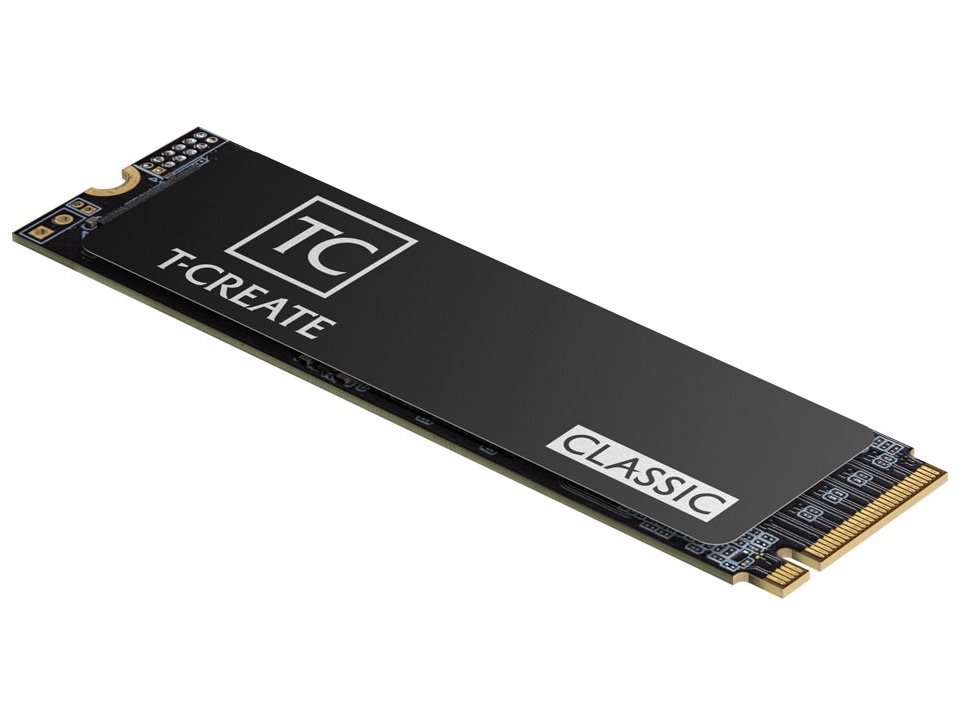
Latency is another area TEAMGROUP is calling attention to. The H514 uses a 6nm controller and is rated for read latency as low as 0.05ms and write latency of 0.015ms. That might not sound flashy compared to raw speed numbers, but in real-world use, responsiveness matters. Opening projects, switching between tasks, and handling lots of small file operations can feel smoother when latency is kept in check.
Capacity tops out at 4TB thanks to 3D NAND flash, which feels appropriate for the audience this drive is targeting. If you are storing high-resolution media or experimenting with local AI models, space disappears quickly. TEAMGROUP specifically mentions support for models ranging from 7B to 175B parameters, which gives you an idea of the scale it has in mind, even if other hardware components will still play a big role there.
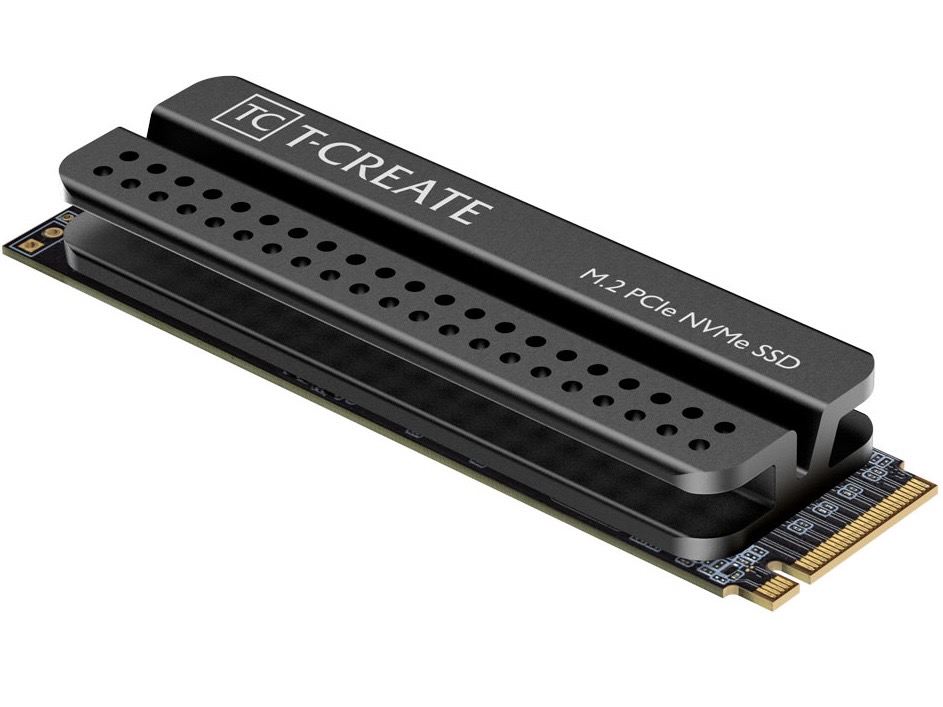
Cooling is handled with a bit of flexibility. There is an ultra-thin graphene heatsink option for tighter builds, along with a more traditional matte-black aluminum heatsink for systems where airflow and space are less of a concern. With PCIe Gen5 drives, thermals are not something you can ignore, so having a choice here makes sense.
TEAMGROUP also notes that the drive is produced using halogen-free and lead-free materials and meets RoHS standards. That is fairly standard these days, but it is still good to see.
All told, the T-CREATE CLASSIC H514 looks like a drive built for people who actually push their systems, not just chase specs. If your workload involves large assets or data-heavy tasks, this is the kind of storage that can keep up.
Support independent tech journalism
NERDS.xyz is independently owned and operated. If you enjoy my coverage of Linux, AI, hardware, cybersecurity, and tech culture, consider supporting the site on Ko-fi.
Support NERDS.xyz