
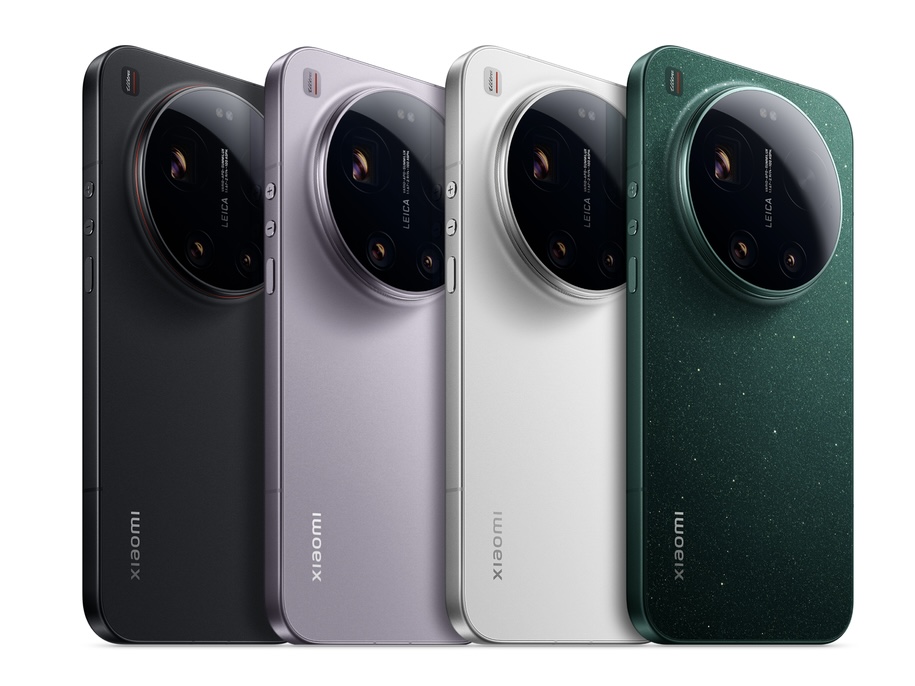
Xiaomi used a Beijing launch event on Christmas to pull the curtain back on the Xiaomi 17 Ultra, and the company clearly wants this phone to be seen as more than just another annual refresh. Alongside new wearables and smart home gear, the spotlight stayed firmly on imaging, design, and what Xiaomi calls a deeper global cooperation with Leica that now goes beyond simple branding.
The Xiaomi 17 Ultra is the first handset built under a new strategic co-creation model between the two companies. Instead of tuning cameras late in the process, Xiaomi says Leica was involved from the earliest design stages, influencing optics, color science, and even how users interact with the camera. The pitch here is simple. This is meant to feel closer to a dedicated camera that happens to be a phone, not the other way around.
Visually, the Xiaomi 17 Ultra takes a noticeable turn. It is the first Ultra model with a flat display, ditching the curved glass look that has dominated recent flagships. The bezels are extremely thin, and the overall shape is cleaner and more restrained. At 8.29mm thick, Xiaomi says this is its thinnest Ultra phone so far. Small design changes, like a micro-curved aluminum alloy frame and a repositioned camera module, are meant to make the device feel more balanced in the hand, especially given the size and weight expected from a camera-focused flagship.
Color options include white, black, purple, and green, and Xiaomi is clearly courting photography fans with updated camera grip kits that now attach magnetically. There is also an ultra-thin composite fiber case aimed at people who want protection without losing the bare phone feel.
Cameras are where Xiaomi spent most of its time, and this is not subtle. The Xiaomi 17 Ultra uses a triple-camera system built around a 23mm one-inch Leica ultra-dynamic main camera, paired with a 14mm ultra-wide lens and a 200MP telephoto that covers a 75-100mm equivalent focal range. Xiaomi is positioning this setup as a true all-around photography tool, designed to handle landscapes, portraits, and street photography without relying heavily on digital tricks.
The one-inch main sensor uses what Xiaomi calls Light Fusion 1050L technology with LOFIC HDR, allowing a much higher full-well capacity than the previous generation. In practical terms, that should mean better highlight control and shadow detail, especially in night scenes and high-contrast situations where phones tend to struggle.
The telephoto camera is just as ambitious. It uses multiple moving lens groups and a prism system to achieve true optical zoom across its range, while still capturing native 200MP images without digital cropping. Xiaomi also leaned heavily on Leica’s APO optical design here, using custom glass elements to reduce color fringing. The company claims this is the first Xiaomi flagship to receive Leica APO certification, which is a big deal for photographers who care about clean edges and accurate color.
Beyond imaging, Xiaomi made sure the rest of the phone reads like a full flagship spec sheet. It runs on the Snapdragon 8 Elite Gen 5 platform with an upgraded GPU and a redesigned cooling system that promises much better heat dissipation than before. The display supports a 120Hz LTPO refresh rate and can hit up to 3500 nits of peak brightness, while new display tuning is meant to balance sharpness with power efficiency. Protection comes from Xiaomi Shield Glass 3.0, which the company says greatly improves drop resistance.
Battery capacity is another headline number. Despite the slim body, the Xiaomi 17 Ultra packs a 6800mAh battery and supports 90W wired charging, 50W wireless charging, and universal PD PPS charging.
Connectivity support is broad, with dozens of global bands, UWB support for digital car keys, and compatibility with select vehicles for automatic locking and unlocking.
Audio and durability also get attention. Dual stereo speakers with updated AI noise reduction are aimed at clearer calls, while IP66, IP68, and IP69 ratings suggest this phone is built to survive more than just a light splash.
For users deep in multiple ecosystems, Xiaomi HyperOS 3 focuses heavily on device-to-device integration. Xiaomi even highlights support for iPhone screen mirroring features, along with two-way desktop mirroring between Xiaomi phones.
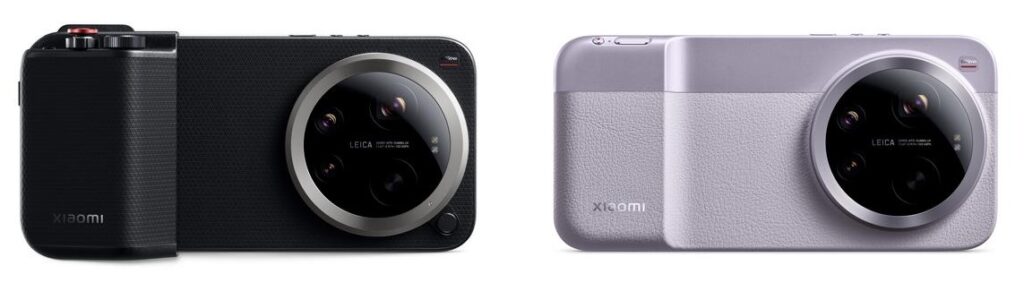
There is also a special Xiaomi 17 Ultra by Leica edition, which leans fully into classic camera aesthetics. Inspired by Leica M-series cameras, it features a dual-tone back with textured leather, engraved detailing, and the iconic red dot badge. Xiaomi added a physical camera ring with tactile feedback, complete with ball bearings and precise movement detection, to mimic the feel of manual focus. Exclusive Leica shooting modes aim to recreate classic film and camera looks using trained models rather than simple filters.
Xiaomi also introduced a photo authenticity feature that digitally signs images using a dedicated security chip, positioning it as a response to growing concerns around AI-generated images.
Pricing in China starts at RMB 6999 for the base Xiaomi 17 Ultra and climbs to RMB 8999 for the top Leica edition with 1TB of storage. Sales are set to begin December 27.
For US readers, there is an important caveat. Xiaomi smartphones are still not officially sold in the United States, and there is no indication that the Xiaomi 17 Ultra or its Leica edition will change that. As with previous Xiaomi flagships, this release is expected to remain limited to China and select international markets, leaving American buyers reliant on imports if they want one.
For Xiaomi, the Xiaomi 17 Ultra is less about chasing specs and more about proving it can deliver a phone that photographers take seriously. Even if it never officially reaches the US, it still raises the bar for what a camera-first smartphone can look like.
Support independent tech journalism
NERDS.xyz is independently owned and operated. If you enjoy my coverage of Linux, AI, hardware, cybersecurity, and tech culture, consider supporting the site on Ko-fi.
Support NERDS.xyz