

Solus is ending the year with a fresh release called Solus 4.8 “Opportunity,” and this one feels like the start of something new. The independent Linux distro has been steadily rebuilding its foundation, and this update continues that momentum with cleaner internals, modern software centers, a redesigned website, and a clear vision that points toward a fully Wayland future. It is the kind of release that shows a project choosing long term sustainability instead of clinging to older code that slows everything down.
A major shift took place in October when Solus moved into a new epoch. This transition marked the final step in the long running Usr Merge effort. With the introduction of the Polaris package repository, Solus untangled old compatibility workarounds and unlocked the ability to update systemd again. The old symbolic links that were holding back deeper improvements are gone. This might seem like a small internal detail, but it frees Solus to make changes more confidently and avoid technical debt that accumulates over time.
Another meaningful decision is the retirement of the original Solus Software Center. It was written in Python 2, and keeping it alive would have required a full port to Python 3 along with extensive testing. Instead of putting energy into old code, the team moved to GNOME Software and KDE Discover. These tools are actively maintained, support Flatpaks, and fit naturally into their respective desktops. Some long time users might feel nostalgic about the Solus Software Center, but this choice gives the project room to focus on higher impact work.
That shift also allowed Solus to fully remove Python 2 from its repositories. Python 2 has been long abandoned, and Solus had already migrated its tooling to Python 3. The only remaining holdout was the Software Center. Now that it is gone, the distro finally completes a cleanup the team wanted for years. For a rolling style distro with strict quality expectations, removing old languages helps improve security, consistency, and maintainability.
Solus also launched a brand new website ahead of the release. It looks cleaner and more modern, but what matters even more is that it is easier for the developers to update. Community projects often struggle with outdated websites that lag behind what is happening in the code. This redesign should make it easier to publish updates, highlight new features, and keep information fresh. It also gives the distro a more polished feel as it enters this next phase.
Plymouth now installs by default. Years ago it was considered too heavy for fast boot times, so Solus kept it optional. But hardware has changed, and now the boot splash barely shows on fast machines. More importantly, Plymouth enables offline updates through GNOME Software and Discover. This lets updates install safely at reboot instead of while the system is running. It means fewer surprises for users and fewer risks of files being replaced underneath a running application.
Solus 4.8 ships Linux kernel 6.17.8 along with Mesa 25.2.6. Users who prefer long term stability can choose the LTS kernel at 6.12.58. The distro also finally updates systemd to 257.10 after being stuck at version 254. The new package aligns with AerynOS and removes unnecessary 32 bit modules. It also enables homed and userdb support, which brings Solus closer to upstream expectations and future technologies that depend on these components.
Every edition includes Firefox 145.0.1, LibreOffice 25.2.6, and Thunderbird 140.5.0. Those basics matter because they show Solus is still keeping pace with mainstream productivity tools while modernizing its base.
The Budgie edition ships Budgie 10.9.4. This update focuses on compatibility with GNOME 49 and ensures that Budgie and its applets work cleanly with updated libpeas and the girepository 2.0 API. It also keeps Python based applets working as expected. The edition now defaults to the Pocillo Dark theme, giving Budgie a refined and cohesive look out of the box.

The GNOME edition ships GNOME 49.1 and drops X11 by default. Users who still need X11 must install it manually. The upstream project will remove X11 support entirely when GNOME 50 arrives next year, so Solus is preparing its users early. GNOME 49 introduces accent colors, accessibility improvements in the Calendar app, faster GNOME Software performance, better Remote Desktop support, media controls on the lock screen, and HDR brightness options. Solus also sets new defaults like the MoreWaita icons, Papers for PDF reading, Decibel for music, and Ptyxis for terminal use.
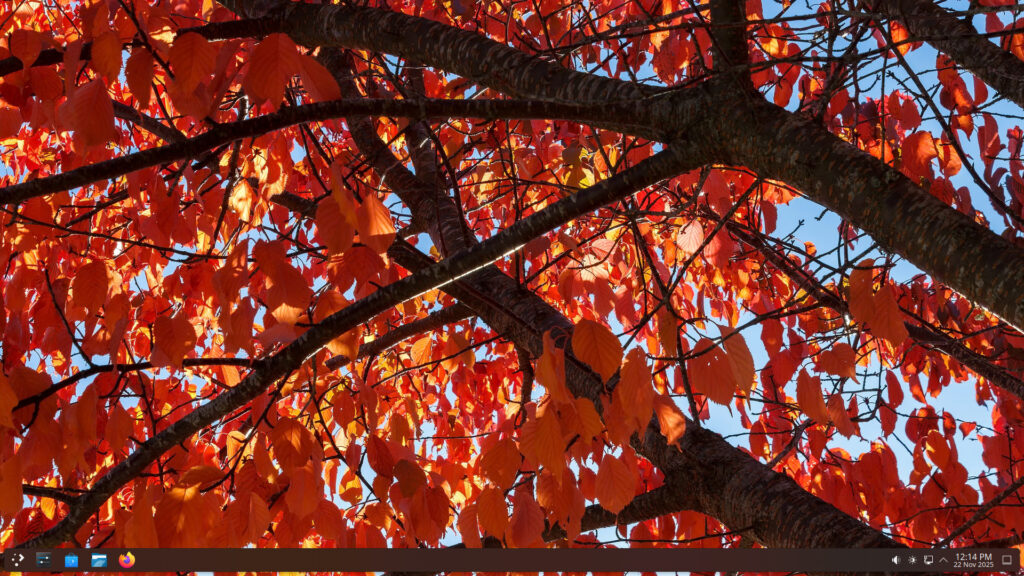
The Plasma edition includes KDE Frameworks 6.19.0, Plasma 6.5.3, and Gear 25.08.3. This edition also no longer ships an X11 session by default. Plasma 6.5 adds smoother theme transitions, fuzzy search improvements in KRunner, performance boosts for Discover, and small visual refinements like rounded lower window corners. It feels more modern without losing the flexibility KDE fans expect.
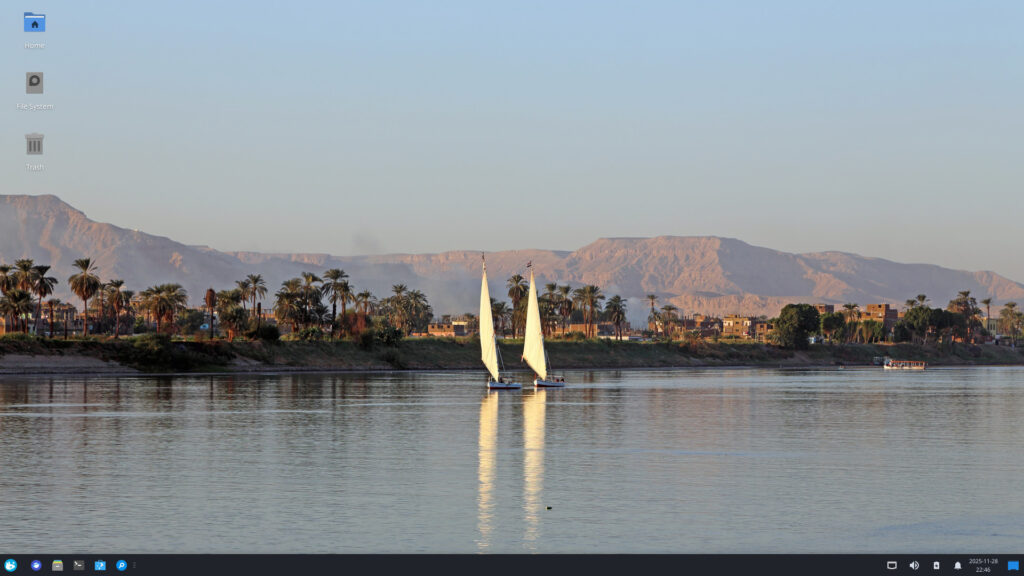
For the first time, the Xfce edition graduates from beta status. Solus now considers it a fully supported option alongside Budgie, GNOME, and KDE Plasma. Ships with Xfce 4.20, it aims to serve users who want a lightweight, stable, and traditional experience. The decision to promote it suggests the team sees long term value in offering an option tuned for performance and simplicity.
Look, folks, this release feels steady, practical, and forward looking. Solus is not chasing buzzwords. It is simply getting itself ready for a cleaner future. For users who appreciate a distro with a clear identity and a strong focus on quality, Solus 4.8 is an excellent moment to give it another try. Download here now!
Support independent tech journalism
NERDS.xyz is independently owned and operated. If you enjoy my coverage of Linux, AI, hardware, cybersecurity, and tech culture, consider supporting the site on Ko-fi.
Support NERDS.xyz