
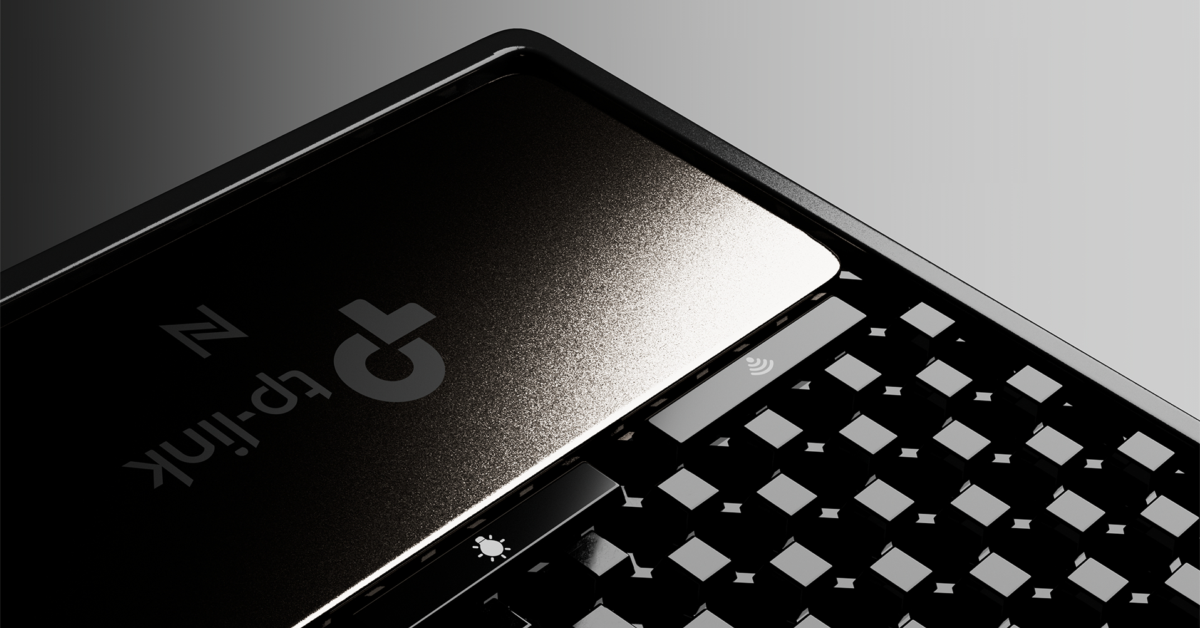
TP-Link is already talking about Wi-Fi 8, and while that may sound ridiculous considering many folks have not even upgraded to Wi-Fi 7 yet, the company’s message actually makes a lot of sense. Instead of obsessing over giant theoretical speed numbers, TP-Link says its upcoming Archer 8 router platform is being designed around something people actually notice at home: reliability.
You know what? That is smart.
Look, most people do not care if a router can hit some absurd benchmark speed in perfect lab conditions. They care whether Netflix buffers upstairs, whether Zoom calls freeze during work meetings, whether online games lag, and whether their mesh system randomly falls apart when moving between rooms. TP-Link says Archer 8 is being built around the emerging IEEE 802.11bn Wi-Fi 8 standard with a focus on lower latency, more stable connectivity, better mesh roaming, and improved performance in homes packed with connected devices.
The company shared some early internal lab numbers comparing Wi-Fi 8 to Wi-Fi 7 under simulated real-world conditions. According to TP-Link, Archer 8 can deliver up to 33 percent higher throughput through modulation and coding improvements, up to 24 percent higher throughput through unequal modulation technologies, and up to 15 percent better throughput between multiple access points operating under heavy interference. TP-Link also claims up to 30 percent better signal performance in multi-floor homes for single-device connections, plus 10 to 20 percent gains in multi-device environments thanks to improved antennas and AI-assisted optimization.
Of course, these are still TP-Link’s own lab results, so people should keep expectations realistic until independent testing happens closer to launch. Router marketing has a long history of promising magical wireless experiences that do not always match reality once walls, interference, neighbors, and cheap client devices get involved.
That said, I have personally had very good experiences with TP-Link products over the years. The company tends to hit a sweet spot between performance and affordability. Its products are usually powerful enough for demanding home users without venturing into the absurd pricing territory some networking brands seem to think is acceptable these days. That is part of why Archer 8 caught my attention.
The hardware itself sounds fairly premium too. TP-Link describes a minimalist design with micro ridge texturing, precision contours, advanced thermal engineering, upgraded antenna architecture, RF optimization, and AI-assisted networking features. Thankfully, the company seems more focused on practical improvements than stuffing “AI” into every sentence just for marketing buzz.
Archer 8 is expected to launch in October 2026, but it is only the beginning of TP-Link’s Wi-Fi 8 plans. The company also announced Deco 8 mesh systems, Roam 8 travel routers, and additional Wi-Fi 8 range extenders and adapters planned throughout 2027.
At the end of the day, faster Wi-Fi speeds are nice, but consistency matters more. If TP-Link can actually deliver fewer dead zones, smoother roaming, lower latency, and better stability under heavy load, Archer 8 could end up being far more interesting than another router chasing meaningless speed records.
Support independent tech journalism
NERDS.xyz is independently owned and operated. If you enjoy my coverage of Linux, AI, hardware, cybersecurity, and tech culture, consider supporting the site on Ko-fi.
Support NERDS.xyz