
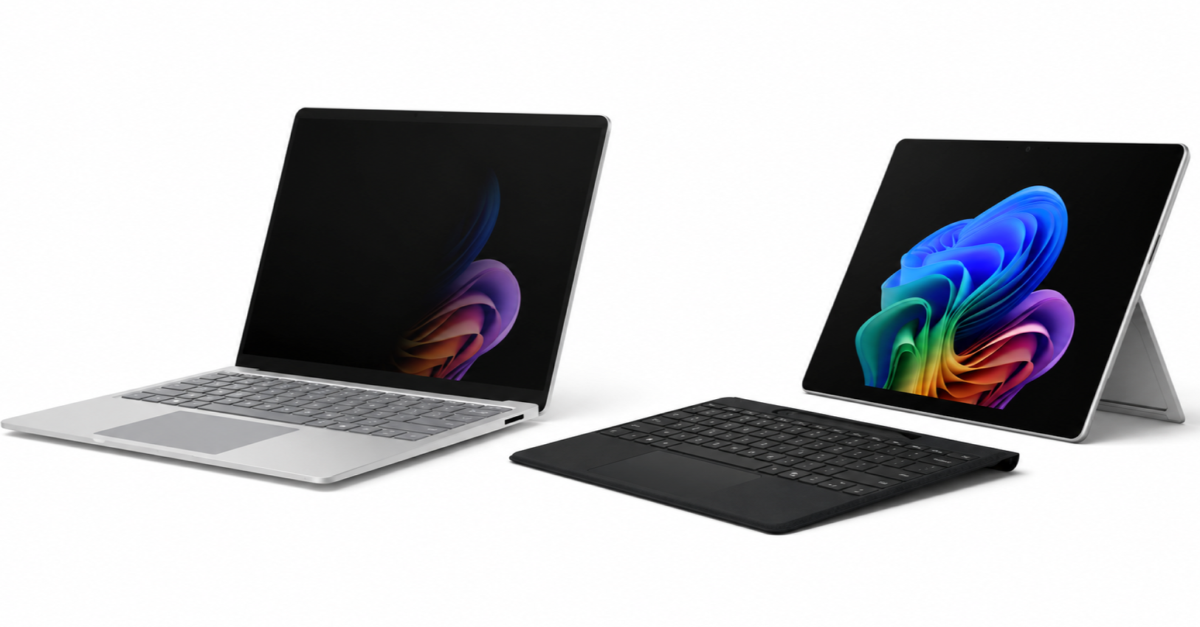
Microsoft just rolled out a fresh batch of business-focused Surface hardware, and if you guessed the company stuffed the announcement full of AI buzzwords, congratulations, you’ve been paying attention to the tech industry lately.
The new Microsoft Surface Laptop for Business and Microsoft Surface Pro for Business systems are being pitched as premium AI PCs designed for the modern workplace. Microsoft talks up edge AI processing, security, repairability, management tools, battery life, privacy features, and local inferencing like every office worker on Earth has been waiting years for this exact moment.
And look, some of the hardware improvements sound genuinely good.
Microsoft says the devices powered by Intel Core Ultra Series 3 chips can outperform Apple’s MacBook Air with M5 in graphics tasks. There are new privacy screen options, Wi-Fi 7 support, optional 5G, haptic touchpads, removable SSDs, recycled aluminum enclosures, and better repairability. Those are all practical things businesses can appreciate.
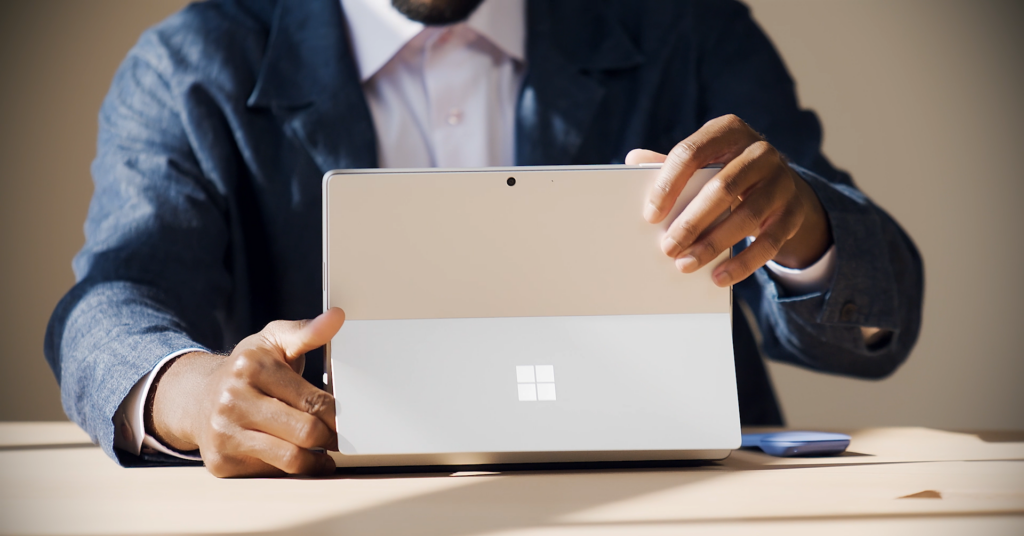
But buried underneath all the marketing hype is a simple question Microsoft never really answers: who exactly is demanding AI Surface PCs right now?
A lot of office workers still spend most of their day in Outlook, Teams, Chrome, Excel, Slack, web apps, and remote desktop sessions. Most businesses are not running advanced AI workloads locally on employee laptops. In many offices, employees are still using aging hardware because replacing entire PC fleets is brutally expensive.
That’s what makes this whole “AI PC” push feel a little forced at times. Microsoft, Intel, Qualcomm, and basically the entire PC industry seem determined to convince buyers that AI processing on laptops is the next big revolution. Maybe someday it will be. But for now, it often feels like the marketing arrived before the real world demand did.
The pricing certainly does not help either. The new 13-inch Surface Laptop for Business starts at $1,499, while larger models and the updated Surface Pro for Business can push close to $2,000 before many companies even think about upgrades or accessories. That is a lot of money for systems many employees may end up using mostly for email, spreadsheets, and video meetings.
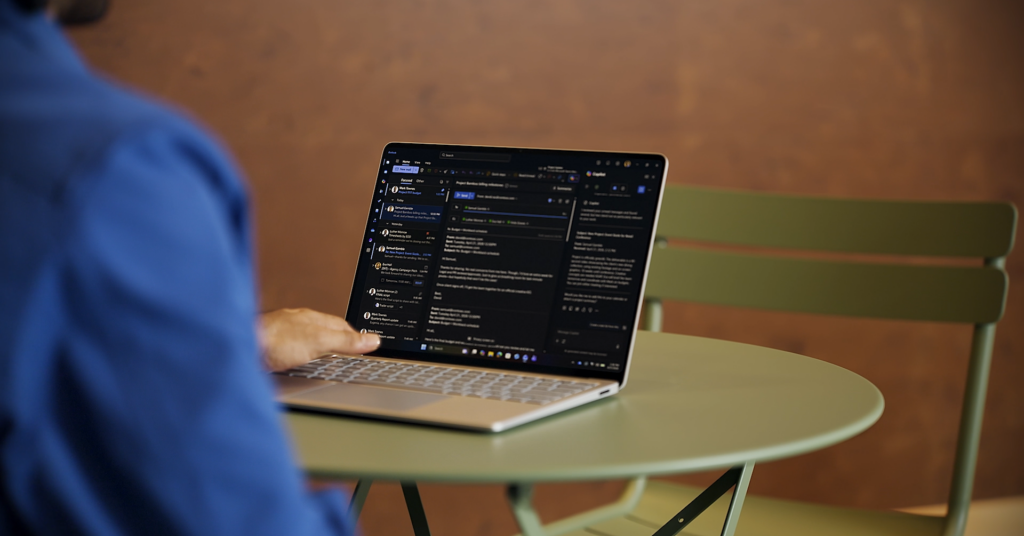
To Microsoft’s credit, the company does deserve praise for focusing on security and repairability. The integrated privacy screen option actually sounds useful, especially for industries like banking, healthcare, and government. Better serviceability is refreshing in an era where many modern laptops seem designed to be disposable.
Still, the bigger takeaway here is how aggressively Microsoft wants businesses to believe AI PCs are now essential.
The problem? Many organizations are probably still trying to figure out whether employees even need them in the first place.
Support independent tech journalism
NERDS.xyz is independently owned and operated. If you enjoy my coverage of Linux, AI, hardware, cybersecurity, and tech culture, consider supporting the site on Ko-fi.
Support NERDS.xyz