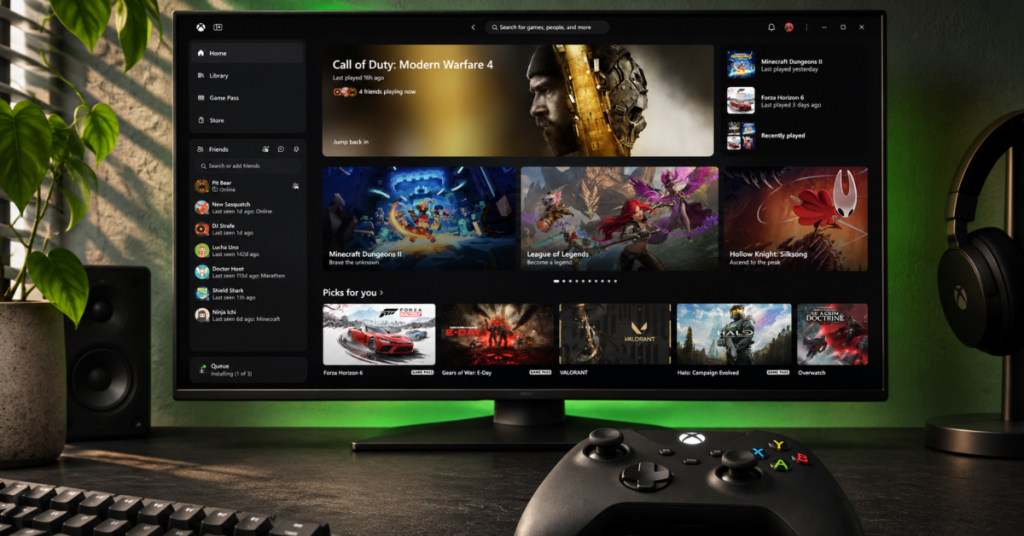
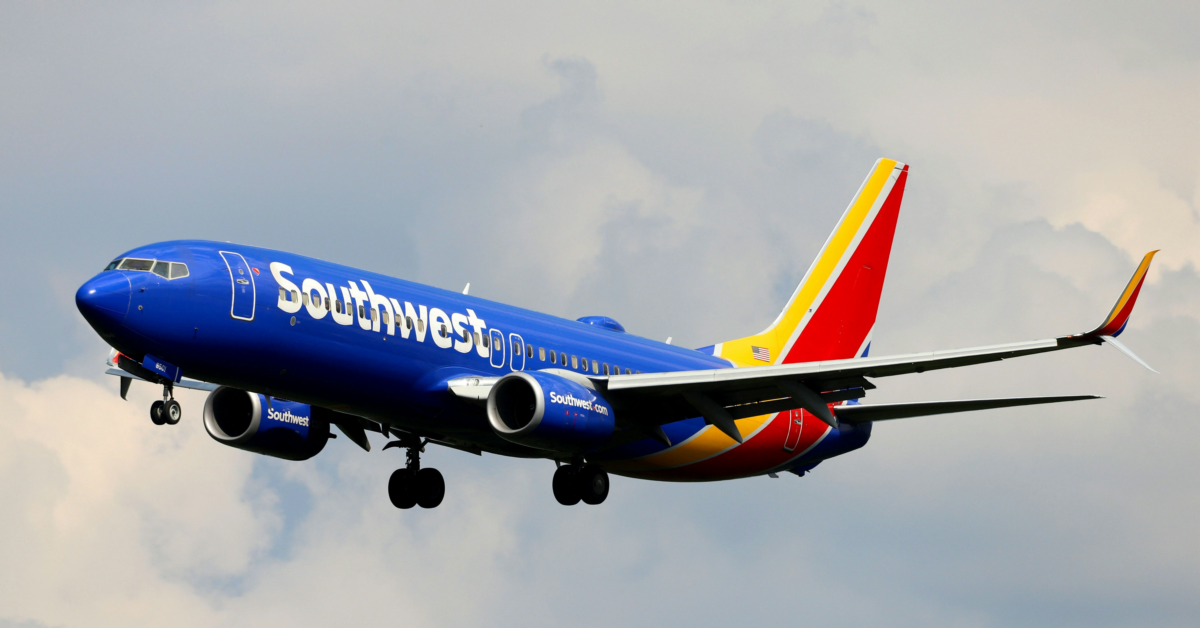
Airplane Wi-Fi is a lot more interesting when you can use it to play games and broadcast to an audience. Southwest Airlines put that idea on display by bringing Twitch creators aboard a Starlink-equipped flight, where they competed and livestreamed while traveling from Austin to San Diego.
The November 12 flight carried creators heading to TwitchCon, turning the trip into a promotional showcase for inflight connectivity. Yes, this was a marketing stunt, but at least it demonstrated something passengers might actually want to do with the internet connection.
According to Southwest, creators competed head-to-head while broadcasting the action to viewers on Twitch in real time. The airline describes the event as the first-ever live gaming tournament in the sky, although that claim should be treated as its description rather than an independently established record.
The appeal is easy to understand. If you already bring a Nintendo Switch, gaming laptop, tablet, or phone when traveling, a dependable connection could give you more options for passing the time. Being stuck in an airplane seat is a little less annoying when you can spend part of the flight doing something you enjoy.
“Livestreaming a gaming tournament shows what this technology can do, made possible by Starlink’s constellation of thousands of low-Earth orbit satellites,” said Lisa Hingson, Southwest’s vice president of customer experience and innovation. “Whether Customers want to stream, work, or simply stay connected along the way, we’re investing in an inflight experience that gives them more freedom to spend their time onboard the way they want.”
Southwest’s relationship with Starlink predates this gaming event. The airline announced the partnership in February, when it said the first equipped aircraft would enter service during the summer and outlined plans to have the technology on more than 300 aircraft by the end of 2026. Those were rollout targets, so that announcement alone does not establish how many aircraft have it today.
The latest announcement says Southwest expects to equip its entire fleet with Starlink in fall 2027. It also expects to become the first major U.S. airline to reach that milestone, but passengers should pay more attention to availability on their particular flight than to which company wins the bragging rights.
Southwest offers free Wi-Fi to Rapid Rewards members through its arrangement with T-Mobile, subject to availability on designated Wi-Fi-enabled aircraft. However, free Wi-Fi access and Starlink availability are separate things. Having access to the former does not mean your aircraft already has the latter.
There are also some missing details in this airborne gaming showcase. Southwest does not provide measured latency, upload speeds, connection interruption data, or enough information about the games and network setup to judge the experience beyond its description of the event.
That matters because watching a video, competing in an online game, and livestreaming your own gameplay place different demands on a connection. A broadcast from the cabin is interesting, but it does not tell readers everything they need to know about how responsive a particular game will feel.
A special promotional flight also leaves an obvious question unanswered. What happens when an ordinary flight is full of passengers who all want to stream, download, browse, and play at the same time? This announcement does not provide the testing needed to answer that.
Still, there is a useful consumer story underneath the Twitch branding. Better inflight internet could make the devices people already own more useful during a flight, whether they are gaming, catching up on work, or watching something other than whatever they remembered to download.
For now, Southwest has an entertaining demonstration and a fleetwide rollout target. The more convincing test will come when regular passengers can open their laptops, join a game, and get through a session without the connection becoming the most memorable part of the trip.
Support independent tech journalism
NERDS.xyz is independently owned and operated. If you enjoy my coverage of Linux, AI, hardware, cybersecurity, and tech culture, consider supporting the site on Ko-fi.
Support NERDS.xyz