
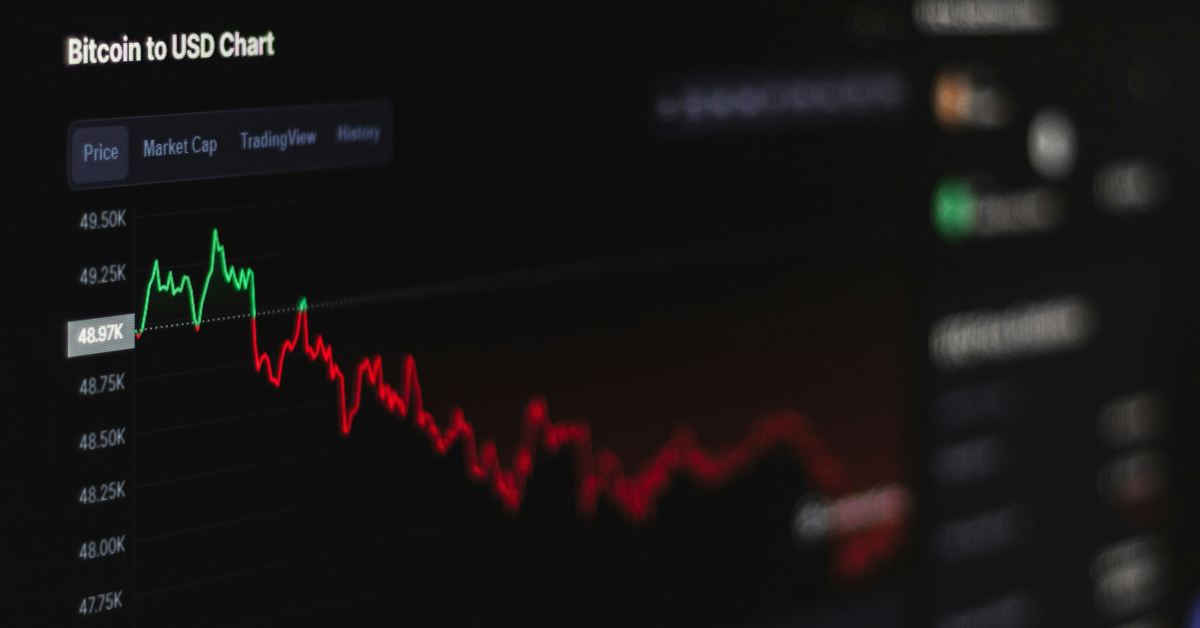
Crypto trading in the United States is about to get a lot more intense. You see, Kalshi announced plans to launch perpetual futures contracts, making it the first company to offer the controversial trading product in a CFTC-regulated American market.
If you are unfamiliar with perpetual futures, well… that is probably for the best.
These products, often called “perps” in crypto circles, are essentially leveraged bets on whether the price of an asset will go up or down. Unlike traditional futures contracts, they do not expire on a set date. Traders can theoretically hold positions forever, assuming they can afford the funding costs and avoid getting liquidated.
That last part matters.
Perpetual futures have become enormously popular on offshore crypto exchanges because they allow traders to make amplified bets using leverage. In other words, folks can control much larger positions with relatively small amounts of money. That can lead to huge gains, but it can also wipe people out very quickly when markets move the wrong way.
According to Kalshi, offshore perpetual futures volume exploded from $28 trillion in 2023 to more than $90 trillion in 2025. That growth has largely happened outside the United States because American regulators have historically taken a much stricter approach to crypto derivatives.
Kalshi now wants to change that.
The New York-based company says its upcoming perpetual futures products will be fully regulated by the Commodity Futures Trading Commission. Pending regulatory review, the exchange plans to offer crypto perpetuals tied to more than a dozen digital currencies.
Kalshi CEO Tarek Mansour says the launch represents the company’s evolution from a prediction market platform into what it calls a “next-gen derivatives exchange.”
For many people, however, the bigger story is that one of the crypto industry’s most aggressive trading products is moving closer to the financial mainstream in America.
The company is attempting to frame perpetual futures as tools for capital allocation and risk management, but critics will likely argue these products are closer to high-speed speculation than traditional investing. That debate is not going away anytime soon.
Kalshi also appears eager to distance itself from some of the chaos historically associated with offshore crypto exchanges by emphasizing regulation and transparency. Funding rates will reportedly be charged every eight hours and displayed in transaction histories.
Still, the phrase “safe and regulated” may not reassure everyone.
Crypto derivatives have a long history of extreme volatility, rapid liquidations, and traders losing substantial amounts of money in short periods of time. Bringing perpetual futures into a regulated American environment could make these products more accessible, but accessibility does not automatically reduce risk.
And make no mistake, these are risky products. Very risky.
There is also an interesting cultural shift happening here. Kalshi first became widely known for event contracts tied to elections, sports, and economic outcomes. Moving into perpetual futures suggests the company wants to become something much larger than a niche prediction market.
Whether regulators, traditional investors, and everyday Americans embrace that vision remains to be seen.
Support independent tech journalism
NERDS.xyz is independently owned and operated. If you enjoy my coverage of Linux, AI, hardware, cybersecurity, and tech culture, consider supporting the site on Ko-fi.
Support NERDS.xyz